
Dental Implant Recovery Tracker
Select your current stage of recovery to see expected pain levels, symptoms, and recommended actions based on typical UK patient reports.
When to Contact Your Dentist Immediately
- Pain worsens after day three instead of improving.
- Fever above 38°C.
- Swelling spreads to eye or neck.
- Persistent bad taste or odour (sign of infection).
You’re staring at the ceiling, wondering if that dental implant is worth the agony you’ve heard about. Everyone has a horror story: friends who couldn’t eat for weeks, relatives who needed painkillers around the clock. But here’s the truth most people miss: the procedure itself is rarely painful because of modern anaesthesia. The real question isn’t whether it hurts during surgery-it’s what happens in the days after.
If you’re considering getting teeth replaced in the UK, understanding the actual pain timeline helps you prepare mentally and practically. It’s not about avoiding discomfort entirely; it’s about managing it effectively so you can return to normal life quickly. Let’s break down exactly what to expect, from the chair to the first week home.
The Procedure Day: Why You Won’t Feel Much
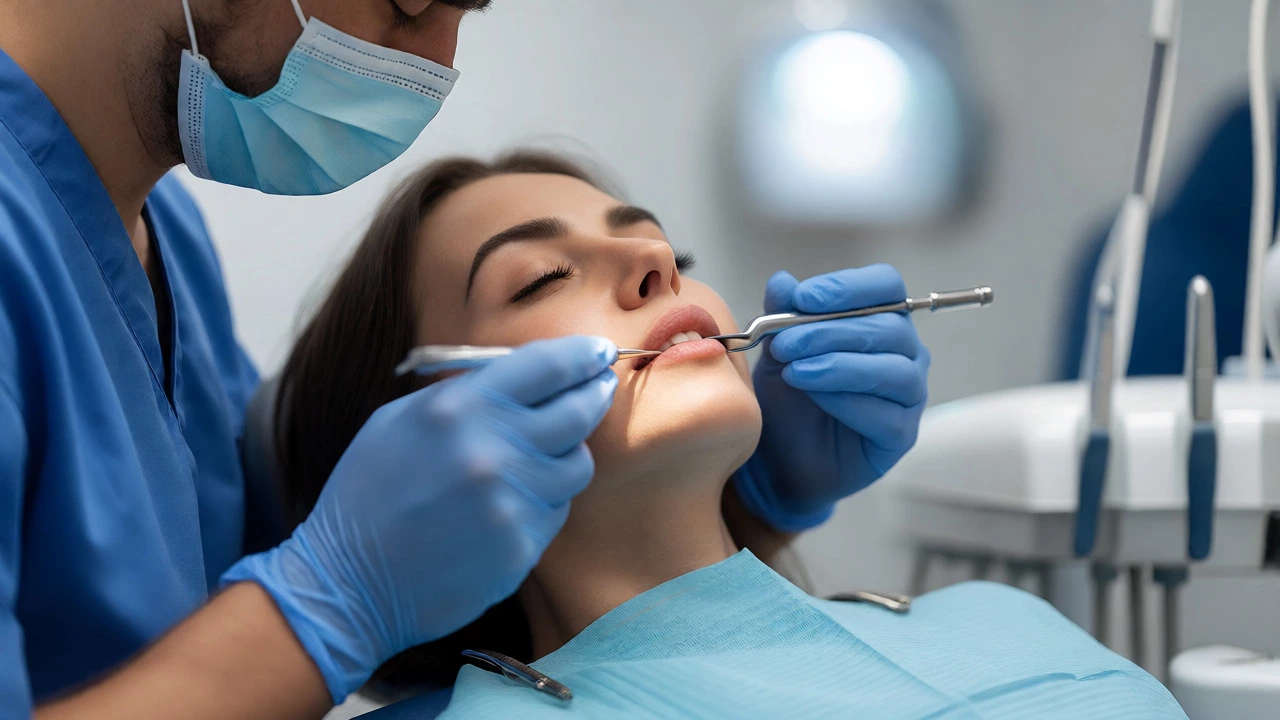
A dental implant is a titanium post surgically placed into the jawbone to replace a missing tooth root. During placement, your dentist uses local anaesthetic, similar to what you’d get for a filling. Most patients report feeling pressure or vibration, but sharp pain is rare. If you’re anxious, many UK clinics offer conscious sedation (like nitrous oxide or oral sedatives), which keeps you relaxed but awake. General anaesthesia is an option for complex cases, though it requires a hospital setting and carries higher costs.
Think of it like getting a wisdom tooth removed without the nerve damage risk. Your mouth might feel numb for hours afterwards, which can be unsettling but isn’t painful. The key takeaway? Don’t fear the drill. Fear the aftermath if you skip aftercare instructions.
Post-Op Pain: The First 72 Hours
This is where reality hits. Once the anaesthetic wears off-usually 3-5 hours later-you’ll likely experience mild to moderate soreness. Think of it as a deep bruise inside your gum. Swelling peaks around day two or three. You might feel tender when chewing on the opposite side. This is normal inflammation as your body reacts to the surgical trauma.
Pain levels vary significantly based on individual pain thresholds and surgical complexity. A single implant in the front jaw often causes less distress than multiple implants in the back molar area due to bone density differences. Here’s a realistic breakdown of what UK patients typically report:
| Timeframe | Pain Level (0-10) | Common Symptoms | Recommended Action |
|---|---|---|---|
| 0-6 Hours | 0-2 | Numbness, slight tingling | Rest, ice packs (20 mins on/off) |
| 6-24 Hours | 3-5 | Soreness, mild swelling starts | Ibuprofen + Paracetamol combo |
| Day 2-3 | 4-6 | Peak swelling, stiffness | Continue meds, soft diet only |
| Day 4-7 | 1-3 | Swelling subsides, minor tenderness | Gentle salt water rinses |
| Week 2+ | 0-1 | Normal sensation returns | Resume normal hygiene carefully |

Managing Discomfort Without Strong Painkillers
You don’t need opioids for most implant recoveries. In the UK, NHS guidelines and private dentists alike recommend alternating ibuprofen and paracetamol. This combination works better than codeine-based drugs for inflammatory pain and avoids drowsiness. Start taking them before the anaesthetic fully wears off-don’t wait until you’re throbbing.
Ice is your best friend in the first 48 hours. Apply it externally to your cheek for 20 minutes, then rest for 20. This reduces blood flow to the area, limiting swelling. Heat comes later, after day three, to relax stiff muscles. Avoid hot showers immediately after surgery, as heat increases bleeding risk.
What about sleep? Prop your head up with extra pillows. Lying flat increases blood pressure in the head, leading to more throbbing. Many patients find they sleep poorly the first night simply due to awareness of the site, not actual pain. Try distracting yourself with a podcast or audiobook rather than focusing on every twinge.
When Pain Signals Something Wrong
Not all pain is equal. While soreness is expected, certain signs indicate complications. Sharp, shooting pain that radiates to your ear or temple could suggest nerve irritation. Throbbing pain accompanied by fever or pus points to infection. These aren’t just annoyances-they require immediate attention.
Contact your dentist if:
- Pain worsens after day three instead of improving.
- You develop a fever above 38°C.
- Swelling spreads to your eye or neck.
- You notice persistent bad taste or odour.
Infections are rare but serious. Untreated, they can lead to peri-implantitis, where the bone around the implant deteriorates. Early intervention saves the implant and prevents prolonged suffering.

Long-Term Comfort: Beyond Recovery
Once healed, implants should feel like natural teeth. They don’t decay, but they do require maintenance. Some patients report occasional sensitivity months later, often due to gum recession exposing the titanium collar. This isn’t failure-it’s anatomy. Using desensitising toothpaste usually resolves it.
Compare this to dentures or bridges. Dentures cause rubbing sores and limit food choices, leading to chronic low-level discomfort. Bridges require filing down healthy adjacent teeth, which can cause long-term sensitivity. Implants, once integrated, offer superior comfort because they stimulate the jawbone, preventing the shrinkage that makes dentures loose over time.
Cost vs. Comfort: Is It Worth the Hassle?
Dental implants in the UK cost between £2,000 and £4,000 per tooth privately. That’s significant money. But factor in the lifespan: well-maintained implants last 20+ years, often a lifetime. Bridges need replacing every 10-15 years. Dentures every 5-7. Over 20 years, implants often prove cheaper despite the upfront hit.
More importantly, consider quality of life. Can you bite into an apple without hesitation? Can you speak clearly without worrying about slips? For many, the temporary few days of soreness is a small price for decades of confident eating and smiling.
Do dental implants hurt more than extractions?
Generally, no. Extractions involve removing tissue and bone, causing more trauma. Implants involve placing material into prepared bone. Most patients find extraction recovery more painful and longer-lasting than implant placement recovery.
How long does numbness last after dental implant surgery?
Local anaesthetic typically lasts 3-5 hours. However, if nerve blocks were used, numbness can persist for up to 8 hours. Lingering numbness beyond 24 hours should be reported to your dentist, though it’s usually temporary.
Can I go to work the day after my implant?
For desk jobs, yes, provided you manage swelling with ice and avoid strenuous activity. For physical labour, take 2-3 days off. Bleeding risks increase with exertion, and fatigue slows healing. Listen to your body-if you feel dizzy or overly tired, stay home.
Why does my implant hurt months later?
Late-stage pain often stems from poor hygiene leading to peri-implantitis (gum disease around the implant) or bruxism (teeth grinding). If you grind your teeth at night, a night guard may be necessary to prevent excessive force on the implant fixture.
Is sedation available for dental implants in the UK?
Yes. Options range from oral sedatives (like diazepam) taken before the appointment to IV sedation administered by a specialist. Availability depends on the clinic. Always discuss anxiety openly with your dentist-they can tailor the approach to keep you comfortable.