
NHS Wait Time Estimator
Not sure how long you might wait? Select your situation below to get an estimated timeframe and tips to speed up your care.
Estimated Wait Time
Why is this happening?
Actionable Advice
You call your GP because that nagging pain in your shoulder won't go away. You expect a quick check-up, maybe some physio advice, and life goes on. Instead, you get told the earliest appointment is three weeks away. Then, if you need a specialist referral? Welcome to the six-month club. If it’s surgery? Good luck getting anything before next year.
This isn't an exaggeration; it's the current reality for millions of people across the United Kingdom. As we sit here in October 2026, the queues haven't magically vanished. In fact, depending on where you live and what you need, they might feel heavier than ever. But why? Is it just bad luck? Is it a lack of doctors? Or is there something deeper broken in the system?
The Massive Backlog: More Than Just Numbers
Let's look at the raw data. The NHS waiting lists are not just a temporary blip caused by recent events; they represent a structural deficit. Before the pandemic hit, the list was hovering around 4 million. Today, that number has surged well past 7 million patients waiting for their first outpatient appointment or treatment. That is one in every ten people in the country effectively paused from receiving care.
But numbers don't tell the whole story. It’s about the severity of cases stuck in limbo. We aren't just talking about minor skin checks anymore. People with suspected cancers, joint replacements, and complex cardiac issues are sitting in the same queue as those with routine referrals. This "one-size-fits-all" triage approach means urgent cases often compete for space with less critical ones, slowing everyone down.
The Workforce Crisis: Not Enough Hands on Deck
Here is the uncomfortable truth: the NHS doesn't have enough staff. And no, this isn't just about hiring more doctors tomorrow. Training a consultant takes over a decade. You can't just print new specialists like photocopies.
- Doctor Shortages: There is a significant gap between the number of trained consultants needed and those available. Many senior doctors are retiring early due to burnout, leaving fewer mentors for junior staff.
- Nursing Vacancies: Hospitals cannot operate without nurses. With vacancy rates often exceeding 10% in acute trusts, wards run short-staffed, leading to cancelled operations because there simply isn't anyone to monitor post-op patients.
- Support Staff Gaps: Porters, clerks, and admin staff keep the machinery running. When these roles are vacant, patients wait longer for transport between departments, records get lost, and appointments fall through the cracks.
It’s a vicious cycle. Understaffed teams work harder, burn out faster, and leave the profession, creating even more vacancies. Breaking this loop requires more than just recruitment drives; it needs retention strategies that actually address working conditions.

The Social Care Disconnect
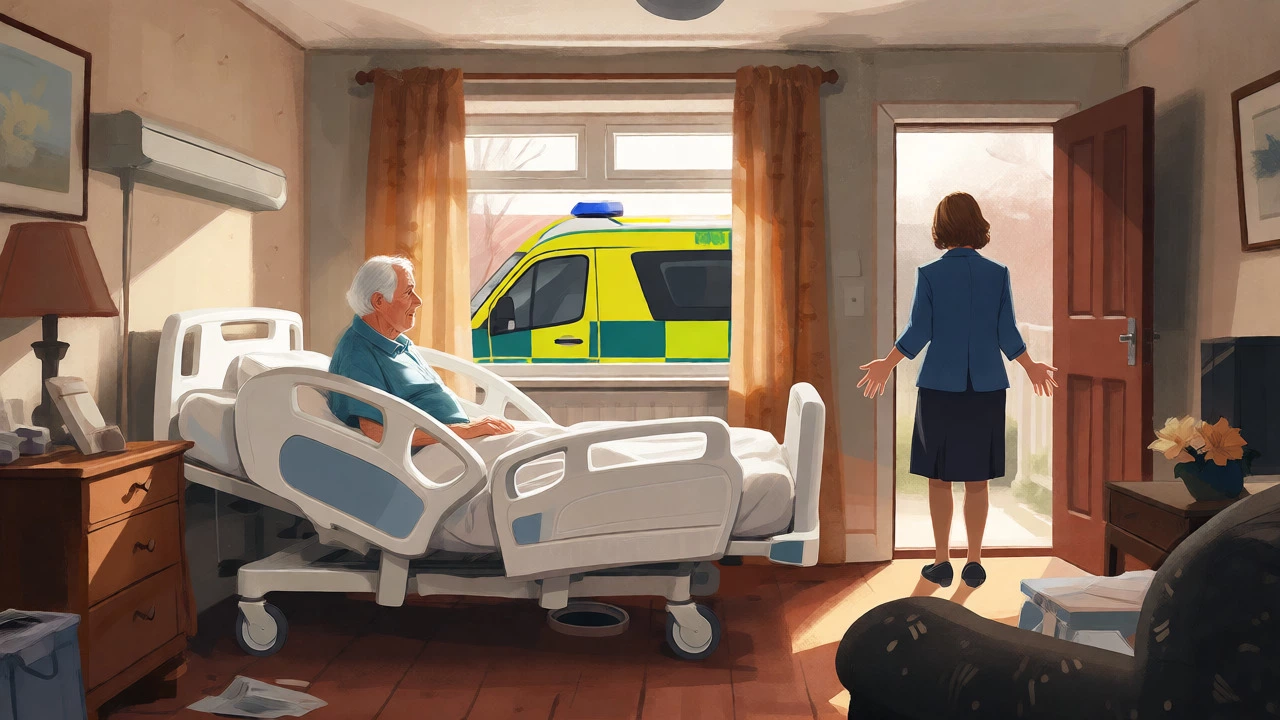
If you think hospitals are full of sick people, you’re half right. They are also full of people who are medically fit to go home but have nowhere to go. This is known as "delayed discharge," and it is the silent killer of hospital flow.
Imagine you’ve had hip replacement surgery. You recover well. The surgeon says you can go home. But your local council hasn’t arranged a care package, or there’s no bed in a nursing home for your elderly relative who lives with you. So, you stay in the hospital bed. That bed could have been used for someone coming in from A&E. Because it’s occupied by a discharged patient, the ambulance waits outside for hours. The chain reaction blocks up the entire emergency department.
Social care funding has lagged behind health funding for years. While the NHS gets billions in additional budget, adult social care struggles to keep its doors open. Without robust community support, hospitals become holding pens rather than places of acute treatment.
Aging Population and Rising Demand
We are living longer, which is fantastic news for individuals but challenging for healthcare systems. An aging population brings a higher prevalence of chronic conditions-diabetes, heart disease, arthritis, and dementia. These aren't one-time fixes; they require ongoing management, multiple medications, and frequent hospital visits.
In 2026, the demographic shift is undeniable. The baby boomers are now in their late 70s and 80s, the peak age group for hospital admissions. Every year, demand grows faster than capacity can expand. Building new wings takes years; treating an aging society happens daily. The math simply doesn't add up unless preventive care becomes a much stronger priority.
| Factor | Impact on Wait Times | Potential Solution |
|---|---|---|
| Staff Shortages | High (Cancellations, reduced clinic hours) | Better pay, improved working conditions, international recruitment |
| Social Care Gaps | Critical (Bed blocking, A&E congestion) | Integrated health and social care budgets, increased council funding |
| Aging Demographics | Medium-High (Increased chronic care needs) | Focus on prevention, telehealth monitoring, community hubs |
| Infrastructure Limits | Medium (Fewer theatres, outdated tech) | New hospital builds, digital record integration |
Where Can You Go? Private vs. Public Realities
Faced with these realities, many people ask: should I just pay for private healthcare? It’s a valid question, especially if you’re in pain or anxious about a diagnosis. However, it’s not a magic bullet.
Private hospitals in the UK also face staffing pressures. While they can offer faster scheduling-often within weeks rather than months-they rely on the same pool of consultants. Some NHS surgeons do private practice on the side, meaning their time is split. During peak periods, even private slots fill up quickly.
Furthermore, cost is a major barrier. A simple MRI scan privately might cost £300-£500. A consultation with a specialist could be £200+. Surgery costs vary wildly but can reach tens of thousands. For many, this expense is prohibitive unless they have comprehensive insurance. Even then, pre-existing condition clauses can limit coverage.
What Can You Actually Do?
So, if you’re stuck in the queue, what are your options? You aren't powerless.
- Be Proactive with Your GP: Don't just accept the first date given. Ask if there are cancellation lists. Call regularly to check for earlier slots. Sometimes, being persistent pays off.
- Use Pharmacy Services: Pharmacists in the UK can now prescribe for minor ailments like UTIs, impetigo, and sore throats. This frees up GP appointments for more serious issues and gets you treatment faster.
- Explore Charitable Support: Organizations like Macmillan Cancer Support or Mind offer helplines and resources that can guide you through navigating the system, ensuring you don't miss key steps.
- Consider Private Consultation: Even if you plan to have surgery on the NHS, paying for a private second opinion can sometimes speed up diagnostic tests. Once you have the scans, you can bring them to your NHS team, potentially bypassing the initial diagnostic wait.
The UK healthcare system remains one of the most equitable in the world-you don't lose your house because you got cancer. But equity comes with a price tag measured in time. Understanding why the lines are long helps you navigate them better. It’s not just about complaining; it’s about knowing where the bottlenecks are so you can find alternative routes when possible.
How long is the average NHS wait for elective surgery in 2026?
As of late 2026, the median wait for elective procedures like hip or knee replacements typically ranges from 6 to 9 months, though this varies significantly by region and trust. Complex spinal surgeries may take longer, while simpler day-case procedures might be seen sooner.
Does having private insurance guarantee faster treatment?
Generally, yes, but not always instantly. Private insurers negotiate rates with providers, and while they can secure appointments within weeks, they still depend on specialist availability. During high-demand periods, even private patients may experience slight delays compared to normal baseline expectations.
Why are GP appointments so hard to book?
GP practices are facing unprecedented demand combined with staffing shortages. Many practices have shifted to online booking systems or phone triage, which can create bottlenecks. Additionally, GPs spend more time managing chronic conditions due to an aging population, reducing the number of slots available for acute, one-off issues.
Can I complain if my wait exceeds government targets?
Yes. While the 18-week target for non-urgent referrals has been suspended in practice due to backlog levels, you still have the right to raise concerns. Contacting your MP or using the PALS (Patient Advice and Liaison Service) at your local hospital can sometimes help expedite administrative processes or clarify your position in the queue.
Are waiting times worse in certain parts of the UK?
Yes, there is a significant postcode lottery. Regions like London and the South East often have different pressure points compared to rural areas in Wales or Northern Ireland. Resource allocation, local hospital capacity, and regional workforce trends all contribute to varying wait times across the nations.