

Pain Management Pathway Finder
Answer a few questions about your pain characteristics to understand which tier of the WHO analgesic ladder or specialized treatment might be appropriate for discussion with your doctor.
Recommended Approach
Living with severe pain changes everything. It steals your sleep, drains your energy, and makes simple tasks feel like climbing a mountain. When over-the-counter pills stop working, you start asking the big question: what is actually the most powerful pain relief available? The answer isn’t as simple as finding one magic pill. In fact, the "strongest" option depends entirely on where the pain comes from and how your body reacts.
In 2026, we are moving away from the old idea that stronger opioids equal better care. Instead, experts look at targeted treatments that hit the source of the problem without shutting down your whole system. Whether you are dealing with arthritis, nerve damage, or post-surgical agony, understanding the hierarchy of pain management can help you have smarter conversations with your doctor.
Understanding the Hierarchy of Pain Relief
To find the right strength for your situation, it helps to view pain medication like a ladder. You don't start at the top rung unless the situation demands it. This approach, often called the WHO analgesic ladder, guides doctors in escalating treatment only when necessary.
At the bottom, you have non-opioid medications. These include common drugs like acetaminophen (paracetamol) and non-steroidal anti-inflammatory drugs (NSAIDs) such as ibuprofen or naproxen. For mild to moderate pain, these are often sufficient because they block the production of prostaglandins, chemicals in your body that signal inflammation and pain.
If those don't cut it, you move to weak opioids or adjuvant medications. These might include tramadol or specific antidepressants that double as pain relievers. At the very top of the pharmacological ladder are strong opioids. While they are technically the "most powerful" in terms of binding to brain receptors to block pain signals, they come with significant downsides, including tolerance, dependence, and side effects like constipation and sedation.
The Gold Standard: Strong Opioids
When people ask for the strongest painkiller, they are usually thinking of strong opioids. Medications like morphine, oxycodone, and fentanyl are considered the heavy hitters in pain management. Fentanyl, for instance, is estimated to be 50 to 100 times more potent than morphine. It is often used in hospital settings for acute, severe pain, such as after major surgery or during cancer treatment.
However, calling them the "best" is misleading. Their power comes with a high cost. Long-term use leads to hyperalgesia, a condition where your nervous system becomes *more* sensitive to pain, requiring higher doses just to maintain the same level of relief. Furthermore, the risk of respiratory depression makes them dangerous if not monitored closely. In 2026, guidelines strongly suggest using the lowest effective dose for the shortest possible time.
| Medication | Potency Relative to Morphine | Common Use Case | Key Risk |
|---|---|---|---|
| Morphine | 1x (Baseline) | Cancer pain, post-op | Sedation, nausea |
| Oxycodone | 1.5x - 2x | Severe chronic pain | Dependence, constipation |
| Fentanyl | 50x - 100x | Acute breakthrough pain | Respiratory depression |
| Methadone | Variable (high) | Complex chronic pain | Cardiac arrhythmia |
Beyond Pills: Interventional Procedures
If you want true power without the systemic fog of opioids, you need to look at interventional pain management. These procedures target the pain pathways directly. For many patients, an epidural steroid injection or a nerve block provides more relief than any pill ever could.
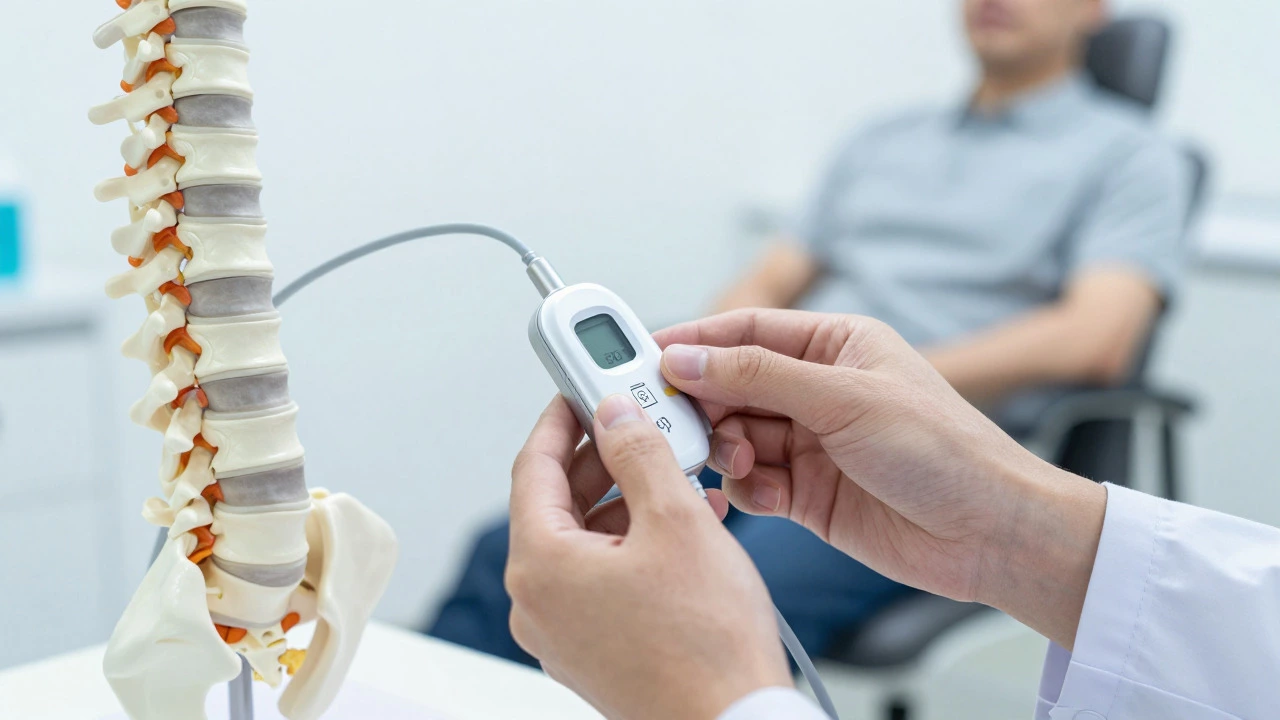
Consider spinal cord stimulation (SCS). This involves implanting a small device that sends electrical pulses to the spinal cord, masking pain signals before they reach the brain. For conditions like failed back surgery syndrome or complex regional pain syndrome (CRPS), SCS can reduce pain by 50% or more. It doesn't cure the underlying issue, but it turns down the volume significantly. Similarly, radiofrequency ablation uses heat to disable the nerves sending pain signals from arthritic joints. The effect can last six months to a year, offering a drug-free window of relief.
Nerve Pain Requires Different Tools
Here is a crucial distinction: standard painkillers often fail against neuropathic pain. If your pain feels like burning, shooting, or electric shocks, it’s likely nerve-related. Taking extra ibuprofen won’t help much here. Instead, the most powerful relief comes from medications that calm overactive nerves.
Drugs like gabapentin and pregabalin are anticonvulsants repurposed for pain. They work by stabilizing the electrical activity in your nerves. Antidepressants like duloxetine are also highly effective for diabetic neuropathy and fibromyalgia. These aren't "stronger" in the opioid sense, but they are far more *effective* for this specific type of pain. Using the wrong tool is like trying to hammer in a screw; no matter how hard you hit, it won't work.
The Role of Topical Treatments
Don't underestimate the power of topical agents. For localized pain, such as knee osteoarthritis or shingles aftermath, creams and patches deliver medication directly to the site with minimal systemic absorption. Lidocaine patches numb the area, while capsaicin cream depletes substance P, a neurotransmitter involved in pain transmission. High-concentration capsaicin patches (8%) applied in a clinical setting can provide up to three months of pain relief for certain nerve conditions. This is a powerful, non-invasive option that avoids the gut and liver entirely.

Lifestyle and Multidisciplinary Approaches
Medication alone rarely solves chronic pain long-term. The most robust pain relief strategies combine drugs with physical therapy, cognitive behavioral therapy (CBT), and lifestyle changes. Exercise strengthens the muscles supporting painful joints, reducing mechanical stress. CBT helps rewire the brain's response to pain signals, lowering the emotional suffering associated with physical discomfort. In Sydney and across Australia, multidisciplinary pain clinics are becoming the standard of care because they address the biological, psychological, and social aspects of pain simultaneously.
How to Choose the Right Path
Finding the most powerful relief requires a partnership with your healthcare provider. Start by clearly describing your pain: its location, intensity, quality (sharp vs. dull), and what triggers it. Keep a pain diary for a week. Note when it’s worst and what you were doing. This data helps your doctor determine if you need anti-inflammatories, nerve medications, or interventional procedures.
Avoid self-medicating with leftover opioids or increasing doses without advice. The goal is function, not necessarily zero pain. If a treatment allows you to walk, work, and sleep, it is successful, even if some discomfort remains. Regular reviews are essential to adjust the plan as your condition evolves.
Is fentanyl really the strongest painkiller?
Yes, in terms of potency per milligram, fentanyl is significantly stronger than morphine or oxycodone. However, "strongest" does not mean "best." Its high potency makes it dangerous for home use due to the risk of overdose. It is typically reserved for hospital settings or specialized patches for stable, opioid-tolerant patients.
What is the best pain relief for nerve pain?
Standard painkillers like ibuprofen are often ineffective for nerve pain. The most effective treatments are usually gabapentin, pregabalin, or certain antidepressants like duloxetine. Topical lidocaine or capsaicin can also provide significant local relief.
Can interventional procedures cure chronic pain?
Procedures like spinal cord stimulation or nerve blocks rarely "cure" the underlying disease, but they can provide substantial, long-lasting relief. For example, radiofrequency ablation can silence joint pain for up to a year, allowing patients to engage in physical therapy and improve mobility.
Are opioids safe for long-term use?
Long-term opioid use carries risks of tolerance, dependence, and hyperalgesia. Current medical guidelines recommend using the lowest effective dose for the shortest duration. They are generally reserved for cases where other treatments have failed and the benefits outweigh the risks.
How do I know if my pain needs a specialist?
If over-the-counter medications and basic prescription drugs aren't helping, or if your pain is affecting your daily life, sleep, or mental health, it's time to see a pain specialist. They can offer advanced diagnostics and interventional options that general practitioners may not provide.