
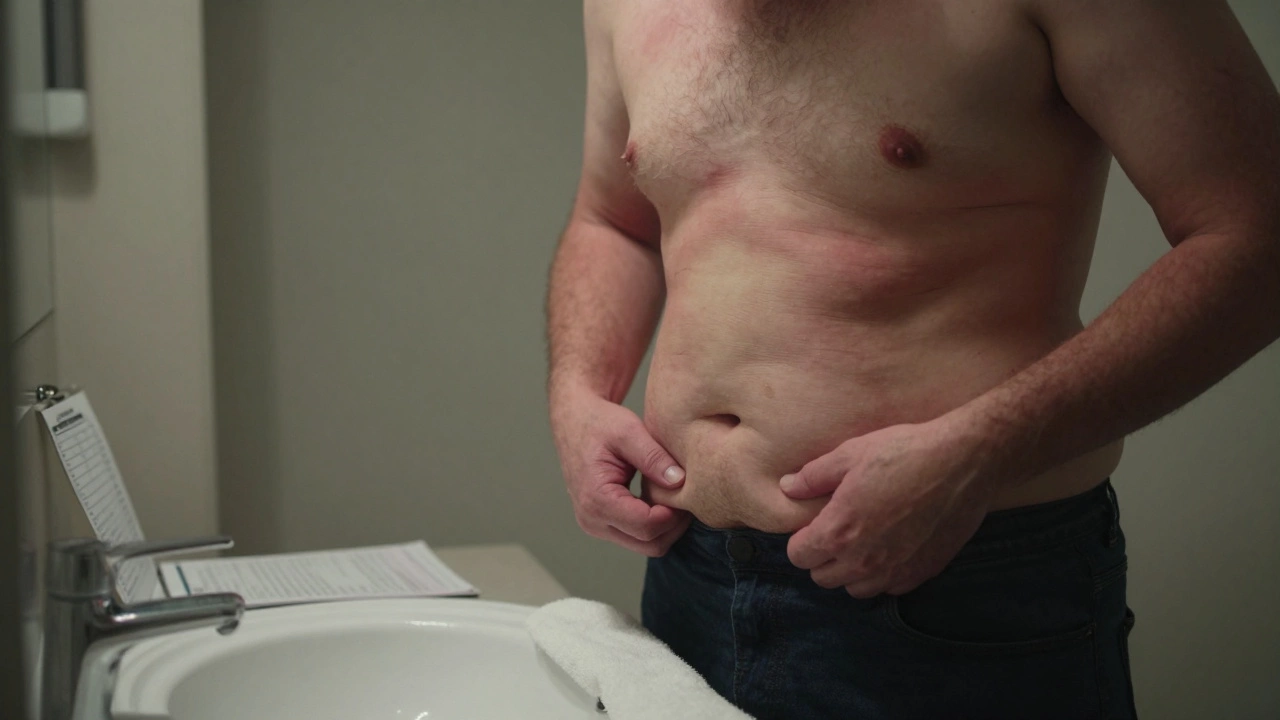
UK Tummy Tuck Cost Calculator
This calculator estimates the approximate cost of a private tummy tuck (abdominoplasty) in the UK. Costs vary based on location, procedure type, surgeon experience, and additional fees. Remember: The NHS rarely covers tummy tucks as they're generally considered cosmetic procedures.
Note: This is an estimate based on average UK private clinic pricing. Actual costs may vary significantly based on individual circumstances. NHS funding is extremely rare and typically only covers medical necessity cases.
Important Considerations
Private tummy tuck costs in the UK typically range from £5,000 to £9,000 for a full procedure.
- London & major cities have higher costs than regional areas
- Surgeons with more experience generally charge more
- Additional procedures (liposuction, muscle repair) increase costs
- Payment plans may be available (often with interest)
- NHS only covers medical necessity cases (panniculectomy), not cosmetic procedures
Many people in the UK ask if a tummy tuck is free - especially those struggling with loose skin after pregnancy, weight loss, or aging. The short answer? Almost never. A tummy tuck, or abdominoplasty, is almost always considered a cosmetic procedure, and the NHS doesn’t fund it just because you want a flatter stomach. But there are rare exceptions - and knowing them could save you thousands.
When the NHS Might Cover a Tummy Tuck
The NHS only pays for tummy tucks in extreme medical cases. It’s not about appearance - it’s about function. If your skin hangs so low it causes chronic rashes, infections, or makes it impossible to walk or maintain hygiene, you might qualify. These cases are called functional panniculectomies, not cosmetic tummy tucks. The difference matters.
For example, someone who lost 100+ pounds after bariatric surgery and now has a large apron of skin that traps moisture, causes constant pain, or leads to recurring skin ulcers may be eligible. But even then, approval isn’t guaranteed. You’ll need detailed medical records, photos, and referrals from your GP, a dermatologist, and often a specialist surgeon. The process can take months.
Don’t confuse this with a full abdominoplasty. A functional panniculectomy removes only the excess skin hanging below the belly button. It doesn’t tighten abdominal muscles, reposition the navel, or contour the waistline like a true tummy tuck does. Many patients are disappointed to find out the NHS won’t give them the result they pictured.
Why Most Tummy Tucks Are Denied
The NHS has strict criteria. Even if you have loose skin from childbirth, you’re unlikely to qualify. The same goes for post-weight-loss patients who haven’t reached a stable weight for at least 12 months. If your BMI is above 30, you’ll be asked to lose weight first - even if the excess skin is causing real discomfort.
There’s also a backlog. The NHS prioritizes life-threatening or severely disabling conditions. A tummy tuck, even when medically necessary, ranks low on the list. Waiting times for approved cases can be 18 to 24 months. Some patients give up and go private - and that’s where the real cost comes in.
How Much Does a Tummy Tuck Cost in the UK?
If you go private, expect to pay between £5,000 and £9,000. The price depends on:
- Surgeon’s experience and location (London and Manchester cost more than regional clinics)
- Whether it’s a full or mini tummy tuck
- Whether muscle repair is included
- Hospital fees and anaesthesia costs
- Post-op care and compression garments
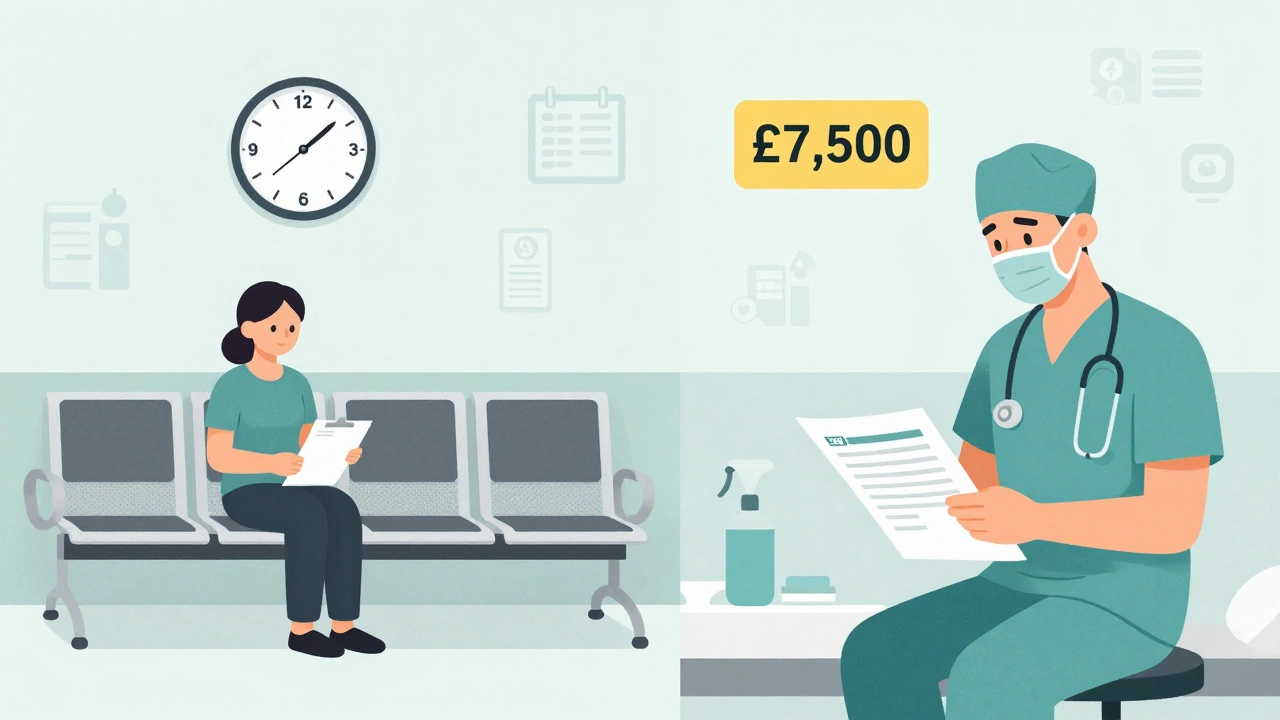
Some clinics offer payment plans - usually over 12 to 24 months. But be careful. Many include high interest rates or hidden fees. Always ask for a written quote that breaks down every cost. Don’t be fooled by ads saying “£2,999 tummy tucks.” Those are often for mini procedures, or they exclude anaesthesia, hospital fees, or follow-ups.
What About Private Health Insurance?
Most private health insurance policies in the UK explicitly exclude cosmetic surgery. Even if you have top-tier coverage, your plan likely won’t cover a tummy tuck unless it’s deemed medically necessary - and even then, pre-approval is required. Some insurers might cover part of a panniculectomy if you can prove chronic skin infections or mobility issues, but this is rare.
Always check your policy wording. Look for sections on “elective procedures” or “cosmetic surgery exclusions.” If you’re unsure, call your insurer and ask: “Will you cover a panniculectomy for recurrent intertrigo caused by skin redundancy?” That’s the language they use.
Alternatives to a Tummy Tuck
If you can’t afford surgery or don’t qualify for NHS funding, there are non-surgical options - though they’re not the same thing.
- Body contouring treatments like radiofrequency or ultrasound (e.g., Vanquish, UltraShape) can reduce fat but won’t remove loose skin.
- Core strengthening through physiotherapy or Pilates can improve posture and make your midsection look firmer, but won’t fix skin laxity.
- Compression garments help with comfort and reduce chafing, especially after weight loss.
- Weight management - if you’re still losing weight, wait. Skin can retract naturally over time, especially if you’re under 40.
None of these replace a tummy tuck. But for many, they’re a realistic step forward.
Red Flags to Watch Out For
There’s a growing market of clinics offering “discount tummy tucks” or “all-in-one deals.” Many are run by unqualified practitioners. Always check:
- Is the surgeon registered with the General Medical Council?
- Do they have specific training in plastic surgery (not just general surgery)?
- Can you see before-and-after photos of real patients - not stock images?
- Are consultations done in person, not over Zoom?
If a clinic pressures you to book immediately or offers a “limited-time offer,” walk away. Cosmetic surgery is not a flash sale.
What to Do Next
If you think you might qualify for NHS funding:
- See your GP and explain your symptoms - not your appearance goals. Focus on pain, infection, mobility issues.
- Ask for a referral to a plastic surgeon who works with the NHS.
- Keep records of skin infections, doctor visits, and photos over time.
- Be prepared for a long wait - and for the possibility of being denied.
If you’re considering private surgery:
- Get at least three quotes from different clinics.
- Ask for a detailed breakdown of all fees - no vague “starting from” prices.
- Check reviews on independent sites like Trustpilot or the British Association of Aesthetic Plastic Surgeons (BAAPS).
- Never pay the full amount upfront. Use a payment plan with a clear contract.
Frequently Asked Questions
Can I get a free tummy tuck on the NHS after having babies?
No. Having children doesn’t automatically qualify you for NHS-funded tummy tuck surgery. The NHS only considers funding if there’s a medical complication - like severe skin infections, chronic pain, or mobility issues caused by hanging skin. Most post-pregnancy cases are considered cosmetic, even if the skin is loose.
Is a tummy tuck the same as a panniculectomy?
No. A tummy tuck (abdominoplasty) removes excess skin, tightens abdominal muscles, and reshapes the waistline. A panniculectomy only removes the hanging skin fold (pannus) below the belly button. It doesn’t tighten muscles or improve waist shape. The NHS may fund a panniculectomy in rare medical cases - but never a full tummy tuck for cosmetic reasons.
How long is the NHS waiting list for a tummy tuck?
If you’re approved for a panniculectomy, waiting times can be 18 to 24 months. The NHS prioritizes urgent cases like cancer or trauma. Even medically necessary skin removal surgeries are low on the list. Many patients opt for private surgery because they can’t wait.
Can I use health insurance to pay for a tummy tuck?
Almost never. Most private health insurance policies in the UK exclude cosmetic procedures. Even if you have comprehensive coverage, tummy tucks are listed as non-covered. You might get partial coverage for a panniculectomy if you prove chronic skin infections - but only after a long approval process.
Are there any government grants or funding for cosmetic surgery in the UK?
No. There are no government grants, welfare programs, or local council funds that pay for cosmetic surgery like tummy tucks. Any website or clinic claiming otherwise is misleading you. The only possible funding is through NHS clinical pathways - and even that’s limited to extreme medical cases.
Final Thoughts
A tummy tuck isn’t free in the UK - and it shouldn’t be. Surgery carries risks, and public funds must be used where they’re most needed. But that doesn’t mean you’re out of options. If you’re struggling with health issues from excess skin, speak up. Document everything. Push for a referral. And if you go private, do your homework. A well-informed patient is the best defense against overpriced or unsafe care.