
Pain Medication Guide
That sharp ache in your back or the throbbing headache that won’t quit is more than just an annoyance. It’s a signal. But when you finally sit down with a doctor, what comes out of that prescription pad? You might expect a miracle pill, but the reality is far more nuanced. In 2026, the landscape of pain management has shifted dramatically away from the heavy-handed opioid prescriptions of the past decade.
Most doctors today start with a ladder approach. They begin with the safest, most accessible options and only move up if those fail. If you are wondering why your doctor isn't handing you a strong narcotic right away, it’s not because they don’t believe you’re in pain. It’s because the medical community has learned hard lessons about dependency, side effects, and long-term outcomes. Let’s break down exactly what medications are actually being prescribed, who gets them, and why.
The First Line of Defense: NSAIDs and Acetaminophen
Before we get to the fancy stuff, let’s talk about the bread and butter of pain relief. For acute injuries-like spraining an ankle or dealing with post-surgical soreness-doctors overwhelmingly prescribe NSAIDs (Non-Steroidal Anti-Inflammatory Drugs) or Acetaminophen.
Why these two? Because they work on different mechanisms. Ibuprofen and Naproxen reduce inflammation, which is often the root cause of the pain signal. Acetaminophen (known as Paracetamol in many parts of the world) works centrally to raise your pain threshold. It doesn’t reduce swelling, but it stops the brain from interpreting signals as painful.
In clinical practice, doctors often recommend combining low-dose acetaminophen with an NSAID. Studies have shown this combination can be more effective than high doses of either drug alone, without significantly increasing the risk of side effects. However, there are limits. Long-term use of NSAIDs can irritate the stomach lining and affect kidney function. That’s why doctors usually cap the duration of these prescriptions at a few weeks unless you have specific conditions like arthritis.
- Ibuprofen: Best for inflammatory pain (arthritis, sprains).
- Naproxen: Longer-lasting effect, good for chronic muscle pain.
- Acetaminophen: Safe for stomach issues, but risky for liver health if overused.
When Nerves Are the Culprit: Anticonvulsants and Antidepressants
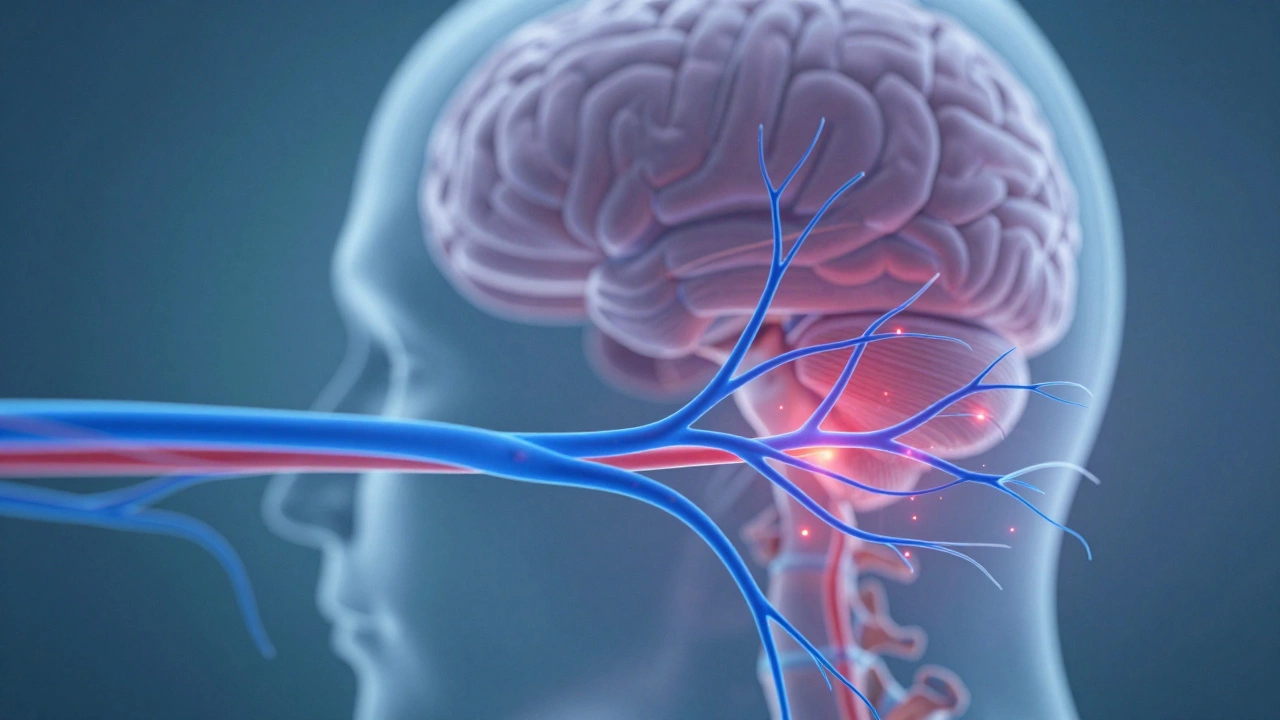
If your pain is described as burning, shooting, or electric-shock-like, you are likely dealing with neuropathic pain. This is common in conditions like diabetic neuropathy, shingles (postherpetic neuralgia), or sciatica. Here, standard painkillers often fall flat. Instead, doctors turn to medications originally designed for other purposes.
This sounds counterintuitive, right? Why would a seizure medicine help your back hurt? It comes down to how nerves fire. When nerves are damaged, they misfire, sending constant pain signals even when there’s no new injury. Drugs like Gabapentin (an anticonvulsant that calms overactive nerves) and Pregabalin act as dampeners. They slow down the transmission of these false alarms.
Similarly, certain antidepressants, specifically Duloxetine and Amitriptyline, are heavily prescribed for chronic pain. These aren’t just for mood; they increase levels of serotonin and norepinephrine in the spinal cord, which helps block pain signals from reaching the brain. Duloxetine, in particular, is FDA-approved for fibromyalgia and osteoarthritis pain. It’s become a go-to for patients who haven’t found relief with NSAIDs.
| Medication Class | Common Brand Names | Best For | Key Side Effects |
|---|---|---|---|
| Anticonvulsants | Gabapentin, Pregabalin | Shingles, Sciatica, Diabetic Neuropathy | Dizziness, drowsiness, weight gain |
| SNRIs (Antidepressants) | Duloxetine, Venlafaxine | Fibromyalgia, Osteoarthritis | Nausea, dry mouth, sleep changes |
| TCAs (Older Antidepressants) | Amitriptyline, Nortriptyline | Migraines, Chronic Headaches | Dry mouth, constipation, sedation |
The Opioid Conversation: Strictly Limited Use
We need to address the elephant in the room. Ten years ago, opioids were the default for moderate to severe pain. Today? They are a last resort. The opioid crisis taught us that these drugs carry a massive risk of addiction, overdose, and tolerance (where you need higher doses for the same effect).
So, do doctors still prescribe them? Yes, but under strict guidelines. In 2026, the CDC and other health bodies emphasize short-term use. An opioid prescription might be appropriate for immediate post-surgical recovery or for cancer-related pain. For non-cancer chronic pain, doctors will typically avoid starting opioids altogether.
If you are prescribed an opioid, it will likely be a lower-potency one like Tramadol or a limited supply of Hydrocodone. Your doctor will monitor you closely, often requiring regular check-ins and urine tests. The goal is never long-term maintenance with opioids unless all other options have failed and the benefits clearly outweigh the risks.
Topical Treatments: Less Systemic Risk
Sometimes, the best way to treat pain is to keep the medication off your bloodstream entirely. Topical treatments have seen a resurgence in popularity because they target local areas with minimal systemic side effects.
Lidocaine patches are commonly prescribed for localized nerve pain, such as after shingles. They numb the area directly. For joint pain, especially in the knees or hands, topical NSAIDs like Diclofenac gel are highly effective. They penetrate the skin to reduce inflammation in the joint without affecting your stomach or kidneys.
Even capsaicin, derived from chili peppers, is used in high-concentration patches for diabetic neuropathy. It depletes substance P, a neurotransmitter involved in pain sensation. It burns a bit when you first apply it, but the long-term relief can be significant.
Muscle Relaxants: For the Spasm Cycle
If your pain stems from a muscle spasm-say, from a herniated disc or a sudden strain-doctors may prescribe a muscle relaxant. These are almost exclusively for short-term use (two to four weeks) because they tend to lose effectiveness over time and can cause significant drowsiness.
Common prescriptions include Cyclobenzaprine, Methocarbamol, and Tizanidine. These drugs work by depressing the central nervous system, which reduces the muscle tension. They are rarely used alone; instead, they are paired with physical therapy and anti-inflammatories to break the cycle of pain-spasm-pain.

Non-Medication Approaches Are Now Standard Care
Here is the truth that might surprise you: in 2026, a prescription for pain often includes a referral to something other than a pharmacy. Guidelines now strongly recommend integrating non-pharmacological treatments. Pills alone rarely fix chronic pain.
You will likely hear recommendations for:
- Physical Therapy: To strengthen supporting muscles and improve mobility.
- Cognitive Behavioral Therapy (CBT): To help manage the emotional and psychological impact of chronic pain.
- Interventional Procedures: Such as epidural steroid injections or nerve blocks for targeted relief.
Doctors view medication as a tool to enable you to participate in these therapies. If you are too much in pain to walk, a short course of anti-inflammatories or muscle relaxants gets you to the point where physical therapy can actually work.
How to Talk to Your Doctor About Pain Meds
Getting the right prescription starts with clear communication. Don’t just say "it hurts." Be specific. Is it sharp? Dull? Burning? Does it move around? Does anything make it better or worse?
Also, be honest about your history. Have you tried over-the-counter meds? Did they work? Do you have a history of stomach ulcers, liver issues, or substance abuse? This information helps your doctor choose the safest option for you. Remember, the goal isn’t just to silence the pain; it’s to improve your function and quality of life without creating new problems.
What is the strongest painkiller a doctor can prescribe?
The strongest painkillers are opioids, such as morphine, oxycodone, or fentanyl. However, these are reserved for severe cases like cancer pain or major trauma due to high risks of addiction and respiratory depression. For most chronic pain, doctors prefer non-opioid alternatives like gabapentin or duloxetine.
Can I take ibuprofen and acetaminophen together?
Yes, many doctors recommend alternating or combining ibuprofen and acetaminophen for better pain relief. They work through different mechanisms and do not interact negatively. However, always follow dosage instructions to avoid liver or kidney damage.
Why did my doctor prescribe an antidepressant for my back pain?
Certain antidepressants, like duloxetine or amitriptyline, are effective for chronic pain because they alter how the brain processes pain signals. They are not prescribed because your pain is "in your head," but because they chemically block pain pathways in the spinal cord.
Are muscle relaxants addictive?
Some muscle relaxants, particularly benzodiazepines like diazepam, have a high potential for dependence. Others, like cyclobenzaprine, have a lower risk but can still cause drowsiness and habituation if used long-term. They are generally intended for short-term use only.
What should I do if my current pain medication stops working?
Do not increase the dose on your own. Contact your doctor immediately. They may adjust the dosage, switch to a different class of medication, or add a complementary therapy like physical therapy or nerve blocks. Tolerance is common, and a strategy change is often necessary.