GP Session Time & Cost Estimator
Select your preferred care pathway to see estimated timings, costs, and what to expect.
NHS GP
Standard public healthcare. Free at point of use but higher volume.
Private GP
Paid private care. Longer consultations and less waiting.
Estimated Consultation Duration
Based on current average data
Estimated Cost
At point of service
| Feature | NHS GP | Private GP |
|---|---|---|
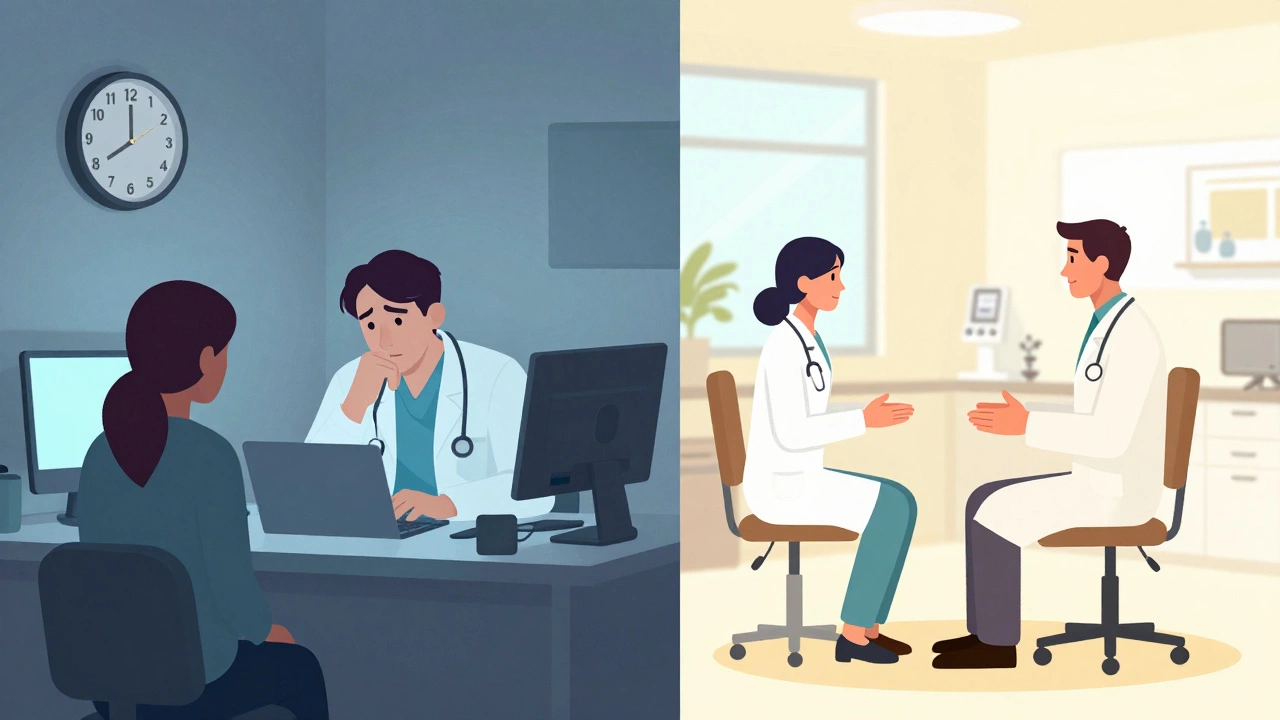
| Avg. Duration | 10–15 mins | 30–60 mins |
| Waiting Time | Often 15-30 mins late | Punctual start |
| Focus | Triage & Acute Care | Comprehensive Review |
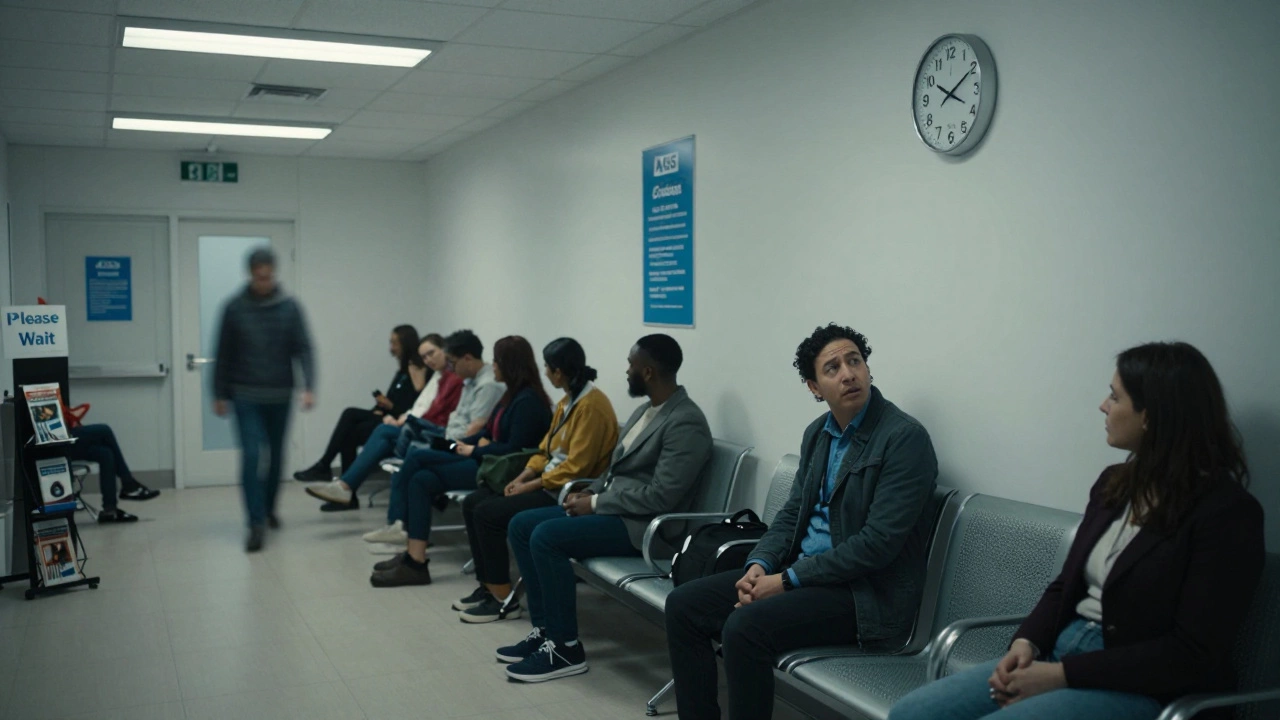
You book an appointment for 9:15 AM. You arrive at 9:10 AM. You sit in the waiting room. The clock ticks past 9:30. Then 9:45. Finally, the nurse calls your name. But when you walk into the consulting room, you realize something else is happening behind the closed door. The doctor looks rushed. They glance at their screen more than they look at you. You finish your ten-minute slot with more questions than answers.
This scenario plays out across the United Kingdom every single day. If you are wondering how long a GP session actually lasts, the short answer is complicated. On paper, it is often fifteen minutes. In reality, it can be anywhere from six to twenty minutes, depending on whether you are using the National Health Service (NHS) or paying for private care. Understanding these timeframes changes how you prepare for your visit and what you expect to get out of it.
The Standard NHS Consultation Length
For most people in the UK, the General Practitioner is the first point of contact for any health issue. The system is designed around volume. A typical GP surgery sees hundreds of patients a week. To manage this load, appointments are scheduled in tight blocks.
Historically, the standard NHS GP appointment is a scheduled face-to-face meeting with a primary care physician under the national health service was set at ten minutes. This figure comes from decades of operational data. It allows a full-time GP to see roughly thirty-five to forty patients in a seven-hour working day. That math includes time between patients for writing notes, prescribing medication, and dealing with administrative tasks.
However, ten minutes is rarely enough. Complex conditions require more time. Mental health discussions need space. Chronic pain management involves detailed history taking. Because of this pressure, many surgeries have moved toward fifteen-minute slots for new patients or complex issues. Routine follow-ups might still be squeezed into ten minutes. Urgent same-day appointments are often shorter, sometimes as brief as five to eight minutes, because the doctor has already triaged the urgency over the phone.
If you call for a routine check-up, ask specifically about the slot length. Some practices now offer "extended appointments" for specific reasons, such as end-of-life care or complex mental health support. These sessions can last thirty to sixty minutes, but you usually need a referral or a prior discussion to qualify for them.
Private GP Sessions: Buying Time
When you pay for private healthcare, you are buying two things: access and time. Private private GP consultations are paid medical visits that typically offer longer durations and reduced waiting lists compared to public services operate differently from the NHS model. There is no pressure to see forty patients a day to keep the practice solvent. The business model relies on patient satisfaction and thoroughness.
A standard private GP session usually lasts between thirty and forty-five minutes. For initial assessments, especially if you are seeking a second opinion or exploring specialist referrals, you might get up to one hour. This extra time makes a massive difference. You can discuss lifestyle factors, review previous test results in detail, and build a relationship with your doctor. There is less rushing. The doctor can spend time explaining why they are recommending a certain treatment rather than just handing you a prescription slip.
Prices vary significantly based on location and the doctor's seniority. In London, a thirty-minute consultation might cost £150 to £250. In other parts of the UK, it could be closer to £80 to £120. While this is expensive, many people find the value lies in the depth of the conversation. You leave knowing exactly what is wrong and what the next steps are, rather than feeling dismissed.
| Feature | NHS GP Session | Private GP Session |
|---|---|---|
| Average Duration | 10-15 minutes | 30-60 minutes |
| Urgent Same-Day Slots | 5-8 minutes | 20-30 minutes |
| Cost to Patient | Free (at point of use) | £80-£250+ per visit |
| Waiting Time Before Visit | Often 15-30 mins late | Punctual start times |
| Follow-Up Ease | Difficult, often requires new booking | Easier, often included in package |
Why Do GP Sessions Feel So Short?
Even if your slot is booked for fifteen minutes, it often feels like half that. Several structural factors contribute to this compression.
Administrative Burden: Doctors spend a significant amount of time documenting your visit. Every symptom, every question, and every decision must be recorded in electronic health records. This typing happens either during the consultation (breaking eye contact) or immediately after (eating into the buffer time before the next patient).
Complexity of Modern Medicine: Patients today present with more comorbidities. It is common for a single patient to have diabetes, high blood pressure, anxiety, and back pain. Managing multiple chronic conditions requires nuanced discussion that simply does not fit into a ten-minute box.
Backlogs: If a doctor runs late with one patient, the delay cascades through the entire afternoon. By 4 PM, the doctor might be an hour behind schedule. This leads to rushed interactions for everyone else. Many GPs work overtime to catch up, leading to burnout, which ironically reduces the quality of care.
Phone Triage: Before you even walk in, much of the clinical reasoning happens over the phone. The receptionist or nurse asks key questions to determine urgency. This means the doctor already knows some context, but it also means part of the diagnostic process is fragmented.
Virtual Consultations: Changing the Clock
In recent years, video and phone consultations have become standard. How does this affect timing? Generally, virtual appointments are slightly shorter than face-to-face ones. Without the physical examination component, the focus shifts entirely to history and advice.
A video GP session typically lasts twelve to fifteen minutes on the NHS. Privately, you might get twenty to thirty minutes. The advantage is convenience; you don't waste time traveling or sitting in a waiting room. However, the lack of physical touch limits the doctor's ability to diagnose certain conditions, like abdominal issues or skin rashes, which may require a subsequent in-person visit anyway.
If you choose a virtual option, ensure your internet connection is stable. Technical glitches eat into your precious minutes. Have your symptoms written down beforehand so you do not forget key details while fiddling with the camera.
How to Maximize Your GP Session
Since you cannot control the clock, you must control the content. Here is how to get the most out of a short session.
- Prioritize Your Issues: List your concerns in order of importance. Put the most urgent or worrying symptom at the top. If the session runs short, at least the critical issue gets addressed.
- Prepare Questions in Advance: Write down three key questions. For example: "What is the likely diagnosis?", "What are the side effects of this medication?", and "When should I come back?" Verbalizing these ensures you get clear answers.
- Bring Records: If you have recent test results, medication lists, or referrals from specialists, bring them physically or digitally. Do not rely on the doctor to find old records in the system; it wastes time.
- Be Honest About Symptoms: Do not minimize pain or embarrassment. Doctors are trained to handle sensitive topics. Hiding details leads to misdiagnosis and wasted future appointments.
- Ask for Clarification: If the doctor uses jargon, stop them. Say, "Can you explain that in plain English?" It takes ten seconds but prevents confusion later.

When You Need More Than Ten Minutes
Some situations simply cannot be resolved in a standard slot. If you are dealing with complex grief, severe depression, or a rare condition, a ten-minute chat is insufficient. In these cases, advocate for yourself.
Ask the receptionist if your GP offers "longer appointments" or "complex case reviews." Many practices have specific hours reserved for this. If not, consider seeing a Practice Nurse or a Physiotherapist within the same clinic, who may have longer slots available for specific non-medical issues. Alternatively, if you have private insurance, check if it covers extended GP consultations. Some policies allow you to see a private GP for a comprehensive assessment and then refer you back to the NHS for ongoing treatment.
The Future of GP Timing
Healthcare systems globally are grappling with the tension between efficiency and empathy. In the UK, there are ongoing debates about increasing funding to allow for longer NHS appointments. Some pilot programs have tested twenty-minute slots, reporting higher patient satisfaction but lower total patient throughput. The challenge is balancing individual needs with collective access.
Artificial Intelligence is also entering the mix. AI tools can help draft notes automatically, freeing up doctors to focus on the patient rather than the keyboard. If this technology becomes widespread, we might see a return to longer, more meaningful face-to-face interactions without sacrificing administrative accuracy.
Until then, understanding the constraints helps you navigate the system better. Know your rights, know your options, and prepare thoroughly. Whether you get ten minutes or thirty, being organized ensures you leave with clarity and a plan.
Is a 10-minute GP appointment normal in the UK?
Yes, a 10-minute appointment is the historical standard for routine NHS consultations. This duration allows doctors to manage high patient volumes. However, many practices are moving toward 15-minute slots for new or complex patients to improve care quality.
How long do private GP appointments last?
Private GP appointments typically last between 30 and 45 minutes. Initial assessments or second opinions can extend up to 60 minutes. This extra time allows for detailed history taking, physical examinations, and thorough discussion of treatment options without the pressure of a tight schedule.
Can I request a longer appointment with my NHS GP?
You can ask your GP practice if they offer extended appointments for complex issues. Some surgeries reserve specific slots for mental health, chronic disease management, or end-of-life care. It is best to speak with the receptionist or your GP directly to inquire about availability for longer consultations.
Why are GP sessions getting shorter?
GP sessions feel shorter due to increased administrative burdens, rising patient complexity, and staffing shortages. Doctors spend significant time on digital record-keeping and managing multiple chronic conditions per patient, which compresses the actual face-to-face interaction time.
Are video consultations shorter than in-person visits?
Video consultations are often slightly shorter, typically lasting 12-15 minutes on the NHS. Without the need for physical examination, the focus remains on history and advice. However, technical issues can sometimes reduce effective communication time, so preparation is key.