
Dental Implant Suitability & Cost Estimator
Your Details
Results Analysis
Enter your details to see estimated UK costs and suitability assessment.
You stare in the mirror. That gap where your molar used to be isn't just an aesthetic annoyance anymore; it's affecting how you chew, how you smile, and honestly, how confident you feel walking into a meeting. You've heard about dental implants being the gold standard for tooth replacement, but then you see your age on the calendar: 50. A nagging question pops up: "Is it too late? Is my body too old to heal properly?" The short answer is no. In fact, 50 is often considered the prime demographic for getting implants because you have the financial stability to invest in them and the health awareness to maintain them.
However, "not too old" doesn't mean "guaranteed success." Your biology at 50 is different from your biology at 25. We need to look at bone density, gum health, and specific medical conditions that might complicate things. This guide cuts through the marketing fluff and gives you the real facts about getting implants in your fifties, specifically within the UK healthcare context.
The Biology of Healing at 50
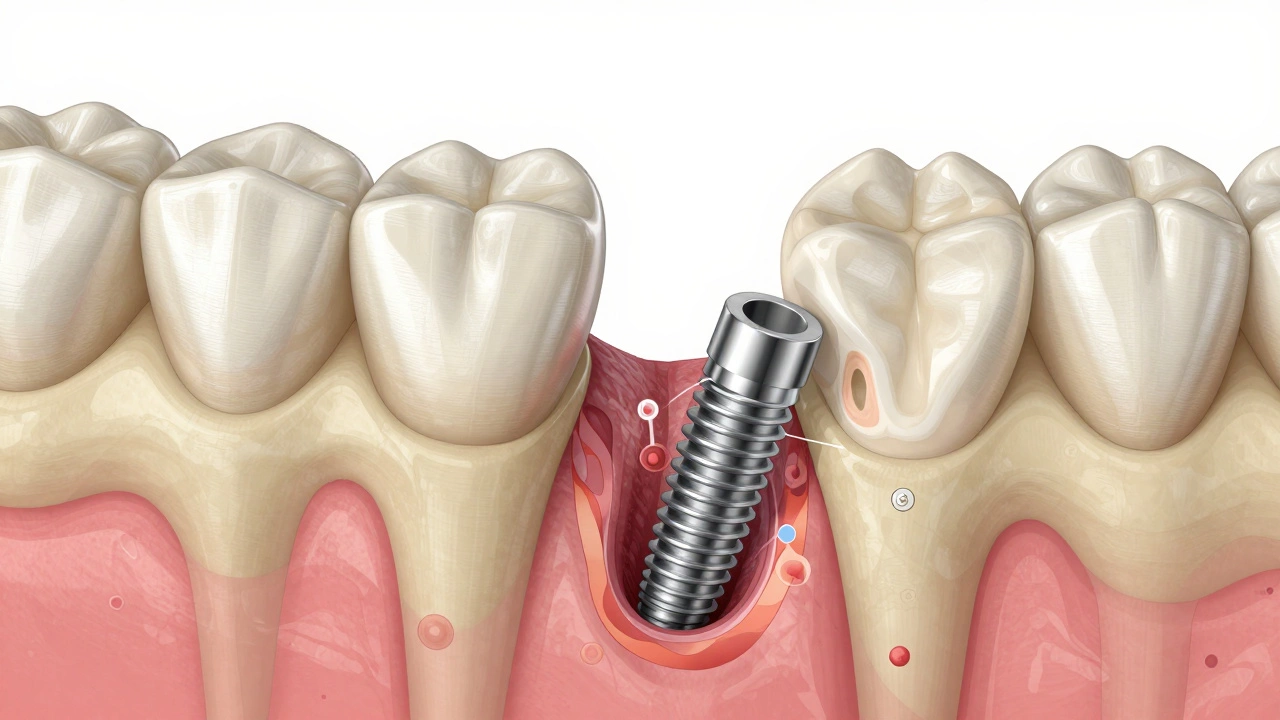
When a dentist places a titanium screw, they are relying on a process called osseointegration. This is where your jawbone literally fuses with the metal post. It’s a biological handshake. At 50, this handshake is still very strong for most people, but there are variables.
The biggest factor isn't your birthday; it's your bone quality. As we age, particularly after menopause in women or due to lifestyle factors in men, bone density can decrease. If your jawbone has become porous or thin, the implant might not grip tightly enough. This doesn't mean you can't get an implant; it means you might need a preliminary step called a bone graft.
- Bone Density: Measured via CT scans. Low density may require grafting material (often synthetic or donor bone) to build a foundation.
- Gum Health: Periodontal disease (gum disease) is more common as we age. Active infection must be treated before any implant work begins, or the new implant will fail.
- Healing Speed: While slower than a teenager's, a healthy 50-year-old heals well. The timeline might extend by a few weeks, but the outcome is usually identical.
If you smoke, the stakes change drastically. Smoking constricts blood vessels, starving the bone of oxygen needed for fusion. For a 50-year-old smoker, the failure rate jumps significantly. Quitting even two weeks before surgery improves outcomes, but quitting permanently is non-negotiable for long-term success.
Medical Conditions That Matter More Than Age
Your chronological age is less important than your physiological age. Certain chronic conditions, which often become managed or diagnosed around middle age, impact implant success.
| Condition | Risk Level | Key Consideration |
|---|---|---|
| Type 2 Diabetes | Moderate to High | HbA1c levels should ideally be below 7%. Uncontrolled sugar impairs healing and increases infection risk. |
| Osteoporosis | Moderate | Bone loss affects grip strength. Medications like bisphosphonates can rarely cause serious jaw complications (ONJ). |
| Heart Disease | Low | Generally safe, but stress management during procedure is key. Blood thinners may need adjustment. |
| Autoimmune Disorders | Variable | Depends on current medication. Immunosuppressants can slow healing. |
If you take bisphosphonates for osteoporosis, you must tell your surgeon. These drugs strengthen bones but can interfere with bone remodeling. In rare cases, they can lead to osteonecrosis of the jaw, a serious condition where bone tissue dies. Most surgeons will proceed with caution, possibly opting for shorter implants or avoiding certain surgical techniques.
The Cost Reality in the UK
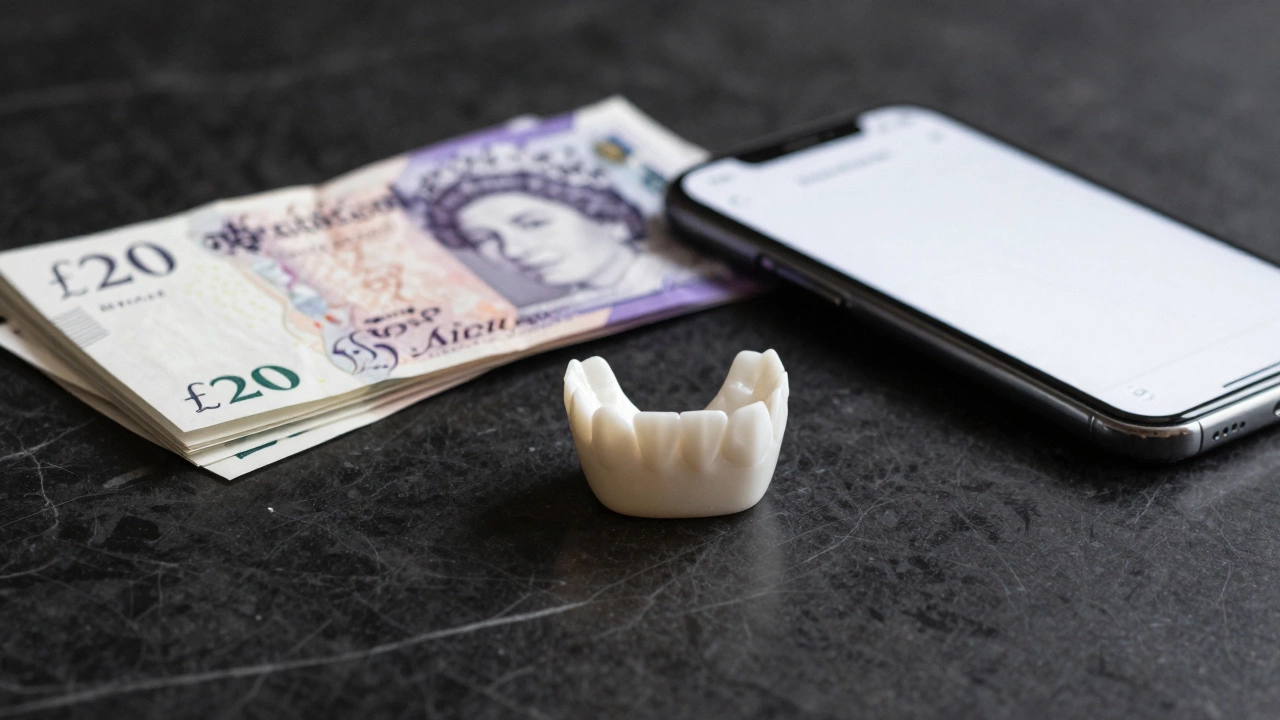
Let’s talk money, because at 50, you’re likely balancing retirement savings against immediate health needs. In the UK, dental implants are almost exclusively a private treatment. The NHS rarely covers them unless there are exceptional clinical reasons, such as trauma or cancer reconstruction. For routine missing teeth, you pay out of pocket.
Prices vary wildly depending on whether you go to a high-street chain in London or a specialist clinic in Manchester. However, transparency is improving. Here is what you should expect to pay in 2026:
- Single Implant (Post + Crown): £2,000 - £3,500 per tooth.
- Bone Grafting: £500 - £1,500 if needed.
- Sinus Lift: £800 - £2,000 for upper back teeth where bone height is insufficient.
- All-on-4 Full Arch: £12,000 - £20,000 per jaw.
Many clinics offer payment plans. Since you are likely employed and have credit history, financing over 12-24 months can make the monthly cost manageable. Compare this to the lifetime cost of bridges (which need replacing every 10-15 years) or dentures (which slip and require adhesives). Implants are a one-time investment that lasts decades.
Implants vs. Bridges vs. Dentures: The Middle-Age Dilemma
At 50, you want a solution that feels natural and lasts. Let’s compare the options based on longevity and convenience.
A traditional bridge requires grinding down the two healthy teeth next to the gap. This sacrifices healthy enamel. Once those supporting teeth decay or die, the whole bridge fails. An implant stands alone, preserving your natural neighbors. If you value keeping your remaining natural teeth intact, implants win.
Dentures are cheaper upfront but come with hidden costs: adhesives, relining every few years, and the psychological toll of worrying about them slipping while eating steak or laughing at a joke. For many patients in their fifties, the freedom of chewing normally again is worth the higher initial price tag.
The Procedure Timeline: What to Expect
Getting an implant isn't a one-day fix. It’s a marathon, not a sprint. Understanding the timeline helps manage expectations.
- Consultation & CT Scan (Week 1): Digital imaging checks bone volume and nerve positions.
- Preparatory Surgery (If Needed) (Week 2-4): Bone grafting or sinus lift. Healing takes 3-6 months.
- Implant Placement (Month 4-6): The titanium post is screwed into the jaw. Local anesthesia makes this painless. Stitches dissolve in a week.
- Osseointegration (Months 6-9): You wait. The bone fuses to the metal. You might wear a temporary flipper or partial denture during this time.
- Abutment & Crown (Month 9+): The final cap is attached. Adjustments are made for bite comfort.
For a 50-year-old, the healing phase (osseointegration) might take slightly longer-perhaps 4 months instead of 3-but the difference is minimal. The key is patience. Rushing the crown placement before the bone has fused is the number one cause of early failure.
Finding the Right Surgeon
Not all dentists place implants. General dentists can do simple cases, but complex situations (like low bone density) benefit from a periodontist or oral surgeon. Look for credentials like membership in the British Association of Oral Implantologists (BAOI). Ask these three questions:
- "How many implants have you placed in patients over 50?"
- "Do you use guided surgery software for precision?"
- "What is your protocol if the implant fails?"
A good surgeon will discuss risks openly, not just sell you the dream. They should explain why a specific brand of implant (e.g., Straumann, Nobel Biocare) suits your bone type.
Maintaining Your Investment
Once healed, an implant doesn’t get cavities. But it can get peri-implantitis-a gum disease specific to implants. At 50, your immune system isn’t as aggressive as it was at 20, so hygiene becomes critical.
Brush twice daily with a soft brush. Use interdental brushes or water flossers to clean around the abutment. Visit your hygienist every six months. If you notice bleeding or swelling around the implant site, don’t wait. Early intervention saves the implant.
Can I get dental implants if I have osteoporosis?
Yes, but with caution. Osteoporosis reduces bone density, which can affect how well the implant grips. Your surgeon will likely order a detailed CT scan to assess bone quality. If you are taking bisphosphonate medications, you must disclose this, as they can increase the risk of jaw bone necrosis. Many patients with mild to moderate osteoporosis successfully receive implants, sometimes with additional bone grafting support.
Does the NHS cover dental implants in the UK?
Generally, no. The NHS considers dental implants a cosmetic or elective treatment for missing teeth. Exceptions are made only in extreme cases, such as facial trauma, congenital defects, or following cancer surgery. For routine tooth loss due to decay or periodontal disease, you will need to pay privately. Always check with your local NHS trust, but expect to self-fund.
Is it painful to get dental implants at 50?
The procedure itself is painless due to local anesthesia. Post-operative discomfort is similar to a wisdom tooth extraction-manageable with over-the-counter painkillers like ibuprofen. Most patients return to work within 24-48 hours. Age does not significantly increase pain sensitivity; however, managing stress and following aftercare instructions closely helps minimize swelling and soreness.
How long do dental implants last?
With proper care, dental implants can last a lifetime. The titanium post integrates with the bone and does not decay. The crown (the visible tooth part) may need replacement due to wear and tear every 10-15 years. Studies show success rates above 95% for implants placed in healthy jaws over a 10-year period.
Can smoking ruin my dental implants?
Smoking is one of the biggest risks to implant success. Nicotine restricts blood flow, preventing the bone from healing and fusing to the implant. Smokers have a significantly higher failure rate. Quitting smoking before and after surgery dramatically improves your chances of a successful outcome. Even reducing smoking can help, but cessation is best.