Breast Reduction Cost & Safety Calculator
Configuration
Estimated Total Cost Range
Includes surgery, standard recovery, and low complication risk.
Cost Breakdown Analysis
| Cost Component | Amount (GBP) | Notes |
|---|
Hidden Risks & Additional Costs
Toggle these options to see how complications or specific needs affect the final price.
Back pain from heavy breasts is real. It’s not just an aesthetic issue; it’s a physical burden that affects your posture, your sleep, and your confidence. When you start looking into breast reduction-also known as reduction mammoplasty-the first question isn’t usually about cost. It’s about safety. You want relief, but you don’t want to trade one problem for a surgical disaster.
The internet is flooded with ads promising "luxury" procedures at half the price of what you’d pay in your home country. But when it comes to major surgery, "cheap" often hides expensive risks. So, which country actually offers the safest environment for this procedure? The answer might surprise you, especially if you are considering traveling abroad.
Defining "Safe" in Cosmetic Surgery
Before we name countries, we need to define what makes a destination safe. Safety in surgery isn’t just about the surgeon’s hands. It’s about the entire ecosystem surrounding the operation. A truly safe environment includes:
- Regulatory Oversight: Are there strict laws governing who can operate? In many places, anyone with a scalpel can call themselves a doctor. In safe jurisdictions, only board-certified plastic surgeons with years of specialized training can perform these operations.
- Hospital Standards: Is the facility accredited by international bodies like Joint Commission International (JCI)? This ensures sterile environments, proper anesthesia protocols, and emergency equipment.
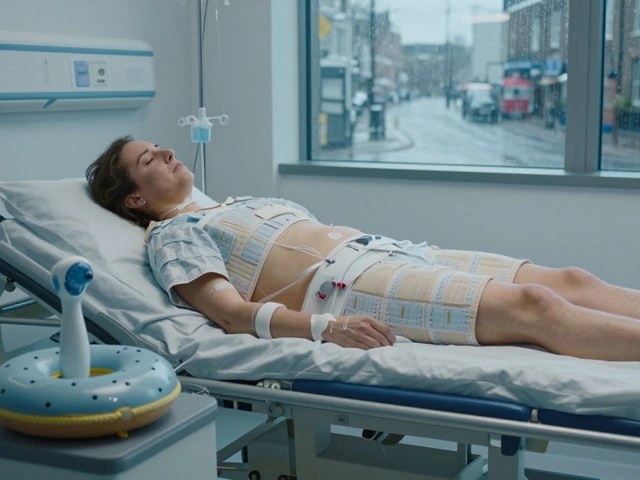
- Post-Operative Care: Complications like bleeding or infection often happen days after surgery. If you fly home immediately, who handles the crisis?
- Legal Recourse: If something goes wrong, can you sue? Or are you stuck thousands of miles away with no legal standing?
When you weigh these factors, the map of "safe" countries shrinks significantly. While nations like Turkey, Thailand, and Mexico are popular for medical tourism due to lower costs, they carry higher regulatory variability. For pure safety, the gold standards remain the United Kingdom, the United States, Australia, and Canada.
The United Kingdom: A Strong Contender for Safety
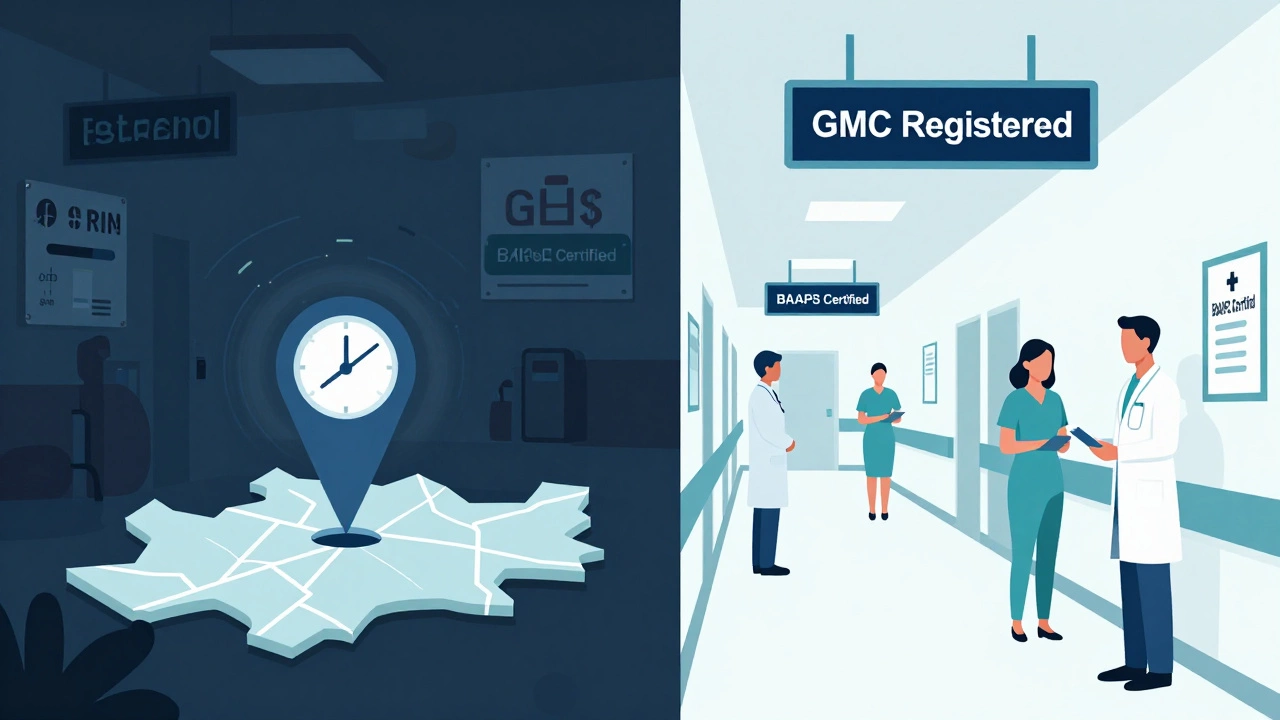
If you are based in Europe or have easy access to it, the United Kingdom is widely regarded as one of the safest destinations for breast reduction. Why? Because of the General Medical Council (GMC).
In the UK, any surgeon performing breast reduction must be on the GMC register. More importantly, for complex cosmetic procedures, you should look for surgeons who are members of the British Association of Aesthetic Plastic Surgeons (BAAPS). BAAPS members undergo rigorous peer review and adhere to strict ethical guidelines. They don’t just cut; they prioritize patient health over profit.
UK hospitals also follow National Health Service (NHS) standards for hygiene and safety, even in private clinics. This means your risk of surgical site infections is among the lowest in the world. Additionally, English-speaking staff reduce the chance of miscommunication during consent forms and post-op instructions-a surprisingly common source of error in foreign surgeries.
| Country | Regulatory Body | Avg. Cost (GBP) | Safety Rating | Best For |
|---|---|---|---|---|
| United Kingdom | GMC / BAAPS | £5,000 - £8,000 | Very High | Patient safety & legal protection |
| Australia | ASA / RACS | $10,000 - $15,000 AUD | Very High | Rigorous standards & hygiene |
| Turkey | Turkish Ministry of Health | £2,500 - £4,000 | Moderate | Cost savings & combined holidays |
| Thailand | Thai Medical Council | £3,000 - £4,500 | Moderate | Luxury facilities & experienced doctors |
Note that while the UK is expensive compared to Turkey, it is often cheaper than the US or Australia when you factor in currency exchange rates. But more importantly, you stay within a robust healthcare system. If you develop a blood clot or severe infection, you’re minutes away from top-tier emergency care.
Why Medical Tourism Can Be Risky
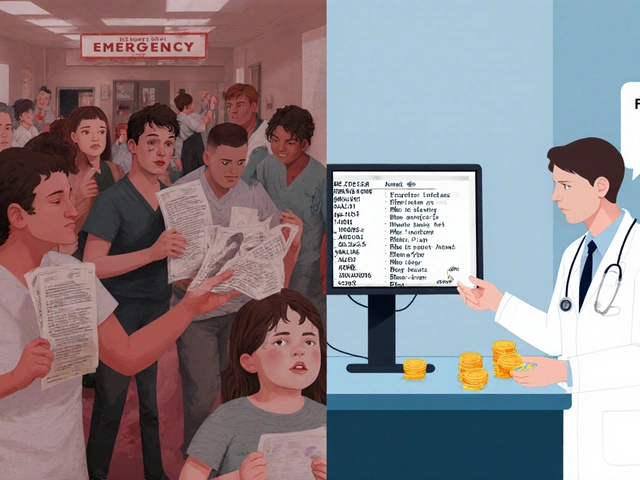
Let’s talk about the elephant in the room: price. A breast reduction in Istanbul might cost half of what it does in London. That’s tempting. But here’s what those packages rarely tell you.
The "Package Deal" Trap: Many clinics abroad offer all-inclusive prices that include flights and hotel stays. This sounds convenient until you realize the timeline is rushed. You might fly in, get operated on day two, and be expected to fly home day five. This is dangerous. Your body needs time to stabilize. Flying too soon increases the risk of deep vein thrombosis (DVT), where blood clots form in your legs and can travel to your lungs.
Follow-Up Care Gaps: Breast reduction involves removing tissue, fat, and skin. The healing process takes weeks. Swelling changes, scars mature, and sensation returns slowly. If you return home before seeing your surgeon for your first check-up, you miss critical early interventions. Local doctors in your home country may not feel comfortable managing a complication from a foreign procedure, leaving you in limbo.
Variable Standards: In some countries, "plastic surgeons" may not have completed formal residency training in plastic surgery. They might be general practitioners who took a weekend course. In the UK, USA, and Australia, becoming a plastic surgeon requires 7+ years of specialized post-medical school training. This difference in expertise directly impacts outcomes like scarring, symmetry, and nerve preservation.
How to Vet a Surgeon Regardless of Location
If you decide that staying local isn’t an option, or if you are comparing options between the UK and another high-standard country like Australia or Germany, use this checklist. Don’t skip a single step.
- Check Board Certification: Verify their license independently. In the UK, search the GMC online register. In the US, check the American Board of Plastic Surgery. Do not trust clinic websites alone; they can be misleading.
- Review Before-and-After Photos: Look for patients with similar body types and breast shapes to yours. Consistency matters more than perfection. Do the results look natural? Are the scars placed discreetly?
- Ask About Anesthesia: Who administers the anesthesia? It should be a dedicated anesthetist or nurse anesthetist, not the surgeon multitasking. Ask about the facility’s accreditation (e.g., JCI or national equivalents).
- Discuss Complications: A safe surgeon will openly discuss risks like necrosis (tissue death), asymmetry, and loss of nipple sensation. If they promise zero risks, run away. No surgery is risk-free.
- Clarify Revision Policies: What happens if you need a touch-up? Is it included in the price? Get this in writing.
The Hidden Costs of "Cheap" Surgery
When calculating the total cost, add up the hidden expenses. A £3,000 surgery in Turkey might seem like a bargain against a £6,000 UK procedure. But consider:
- Travel Insurance: Most standard policies exclude pre-planned cosmetic surgery. You’ll need specialized medical travel insurance, which can cost hundreds of pounds.
- Emergency Evacuation: If you need intensive care abroad, repatriation costs can exceed £10,000.
- Time Off Work: You’ll need 2-4 weeks off work. If you complicate your recovery abroad, you might need even longer, impacting your income.
- Revision Surgery: Fixing a botched reduction is often more complex and expensive than the original surgery. Many revision cases end up costing double the initial price.
When you add these potential costs, the price gap narrows considerably. Often, paying for a reputable surgeon in a regulated country like the UK or Australia is the most financially sound decision in the long run.

Recovery: What to Expect
Regardless of where you go, the biology of healing remains the same. Breast reduction is a major procedure. Here is a realistic timeline:
- Week 1: Significant swelling and bruising. You’ll wear a compression bra 24/7. Pain is manageable with prescribed medication, but discomfort is constant. No lifting anything heavier than a coffee cup.
- Weeks 2-3: Stitches dissolve or are removed. Swelling starts to subside. You might return to desk work, but avoid strenuous activity. Scars will look red and raised-this is normal.
- Months 1-3: Sensation in the nipples may return gradually. You can resume light exercise. Scars begin to fade but remain pink.
- Months 6-12: Final results emerge. Scars mature to a lighter color. Breasts settle into their new position.
This timeline underscores why proximity to your surgeon matters. Having your first post-op appointment in person, rather than via a shaky video call from a hotel room, allows for accurate assessment of wound healing.
Final Thoughts on Choosing Your Destination
Safety isn’t a luxury; it’s a necessity. While the allure of affordable cosmetic surgery abroad is strong, the stakes are high. Your body is not a holiday destination. The United Kingdom, along with other highly regulated nations like Australia, Canada, and the US, offers the best balance of skilled surgeons, strict regulations, and accessible emergency care.
If you choose to travel, do so with eyes wide open. Verify credentials independently, secure comprehensive insurance, and plan for extended recovery time. Your health is worth more than a discount.
Is breast reduction covered by NHS in the UK?
Yes, breast reduction can be covered by the NHS if it meets specific clinical criteria. These typically include chronic back, neck, or shoulder pain, grooving from bra straps, and failed conservative treatments like physiotherapy or supportive bras. Each case is assessed individually using the Gillies' scale, which measures the amount of tissue to be removed relative to body size. However, waiting lists can be long, sometimes exceeding a year.
Can I get breast reduction on the NHS if I live outside the UK?
Generally, no. The NHS provides free care to individuals ordinarily resident in the UK. If you are a visitor or tourist, you will likely be charged for treatment unless your home country has a reciprocal healthcare agreement with the UK. Even then, elective cosmetic procedures are rarely covered under these agreements.
What are the signs of a botched breast reduction?
Signs include significant asymmetry, excessive scarring (keloids), loss of nipple sensation that doesn't improve, necrosis (darkening or death of tissue), chronic pain, or poor wound healing. If you experience fever, increasing redness, or pus discharge, seek immediate medical attention as these indicate infection.
How long do I need to wait before flying after breast reduction?
Most surgeons recommend waiting at least 10-14 days before flying to reduce the risk of deep vein thrombosis (DVT). Some may advise waiting up to 3 weeks depending on your individual health profile and the extent of the surgery. Always follow your specific surgeon's advice, as flying too soon can lead to serious complications.
Does breast reduction affect breastfeeding?
It can. Depending on the surgical technique used, milk ducts and nerves may be damaged, potentially reducing milk supply or causing partial/total loss of nipple sensation. Techniques like the vertical scar method tend to preserve more function than older methods. Discuss your future plans for breastfeeding with your surgeon beforehand to choose the most appropriate technique.