
Private Surgery Cost Negotiation Calculator
Understand where your money goes and see how much you could save by negotiating specific parts of the bill. Enter your estimated quote below.
1. Enter Your Quote Details
2. Estimated Breakdown & Savings
Enter a quote amount and click calculate to see the breakdown.
Estimated at 40% of total
£0
Estimated at 45% of total
£0
Estimated at 15% of total
£0
£0
Save £0You walk out of a consultation with a specialist, feeling relieved that you finally have a plan for your knee. Then they hand you an invoice estimate: £12,500. Your stomach drops. It’s not just the pain anymore; it’s the panic about how to pay for it. Here is the secret most patients don’t know until it’s too late: that number isn’t set in stone. Private surgery costs are often negotiable, especially if you are paying out of pocket. Unlike public healthcare systems where prices are fixed by government tariffs, private clinics operate on a business model. They want your custom, but they also need to cover their overheads. The gap between those two needs is where you can save thousands.
Before you start haggling like you’re at a car boot sale, you need to understand what you’re actually buying. A "surgery price" is rarely one single fee. It’s a bundle of services from different providers who all want to get paid. If you try to negotiate the total sum without understanding the parts, you’ll hit a wall. Most hospitals and independent clinics will tell you they can’t touch the surgeon’s fee because it’s their rate. That’s usually true. But they might be flexible on the facility fees or the anaesthetist’s charges.
The Anatomy of a Surgical Bill
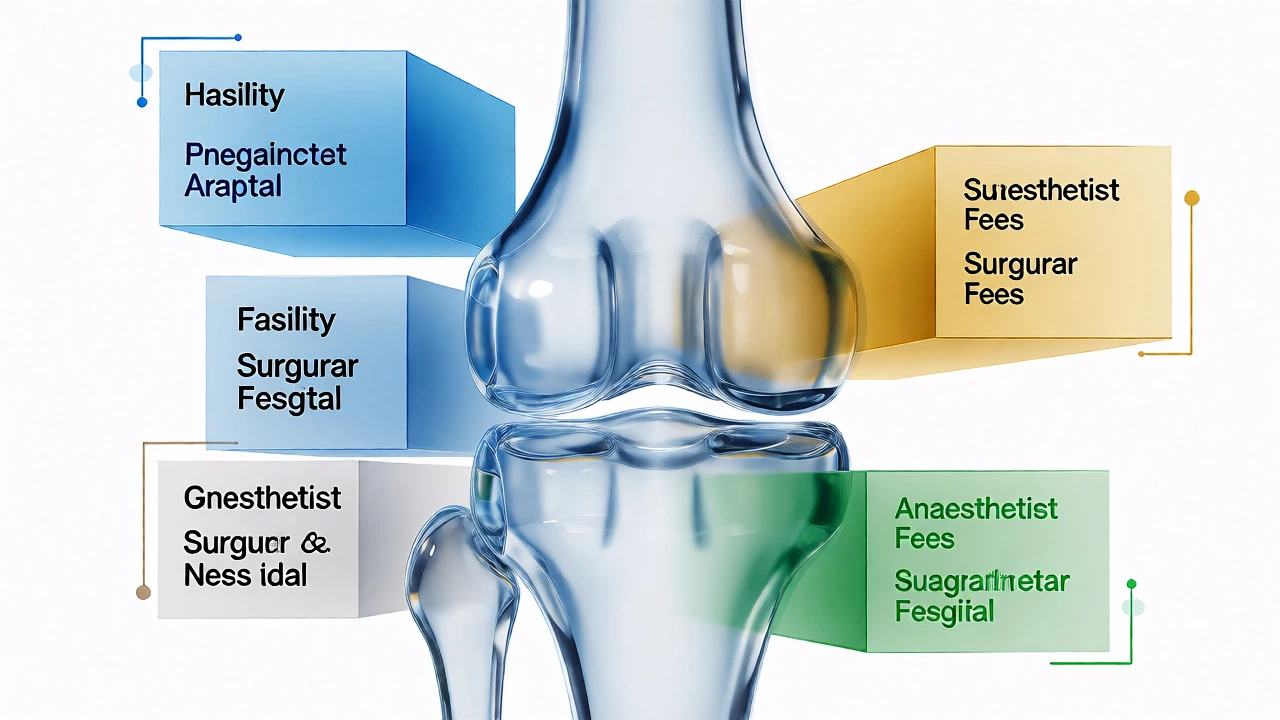
To negotiate effectively, you must dissect the quote. In the UK private sector, a typical package price (often called a "tariff") includes three main components:
- Hospital Facility Fee: This covers the use of the operating theatre, nursing staff, recovery room, and utilities. This is the part controlled by the hospital management, not the doctor.
- Surgeon’s Professional Fee: This is the fee for the consultant’s time and expertise. Consultants are independent contractors. They set their own rates based on experience and demand.
- Anaesthetist’s Fee: Similar to the surgeon, this is a separate professional fee for the anaesthetic team.
When you ask for a discount, you are essentially asking the hospital to reduce its profit margin on the facility fee. Surgeons are less likely to lower their fees unless they are trying to fill a specific slot or build a reputation. However, many consultants will agree to a slightly lower fee if you bring them more volume or if you are a cash-paying patient who won’t cause administrative headaches with insurance claims.
| Cost Component | Who Controls It? | Negotiability Level | Typical Range (GBP) |
|---|---|---|---|
| Hospital Facility Fee | Hospital Management | Medium-High | £3,000 - £5,000 |
| Surgeon's Fee | Consultant | Low-Medium | £4,000 - £6,000 |
| Anaesthetist Fee | Anaesthetist | Low | £800 - £1,500 |
| Pre-op Tests & Meds | Labs/Hospital | High | £200 - £500 |
Why Cash Payment is Your Best Leverage
If you have private health insurance, your ability to negotiate is severely limited. Insurance companies have pre-agreed rates with hospitals. The hospital gets paid what the insurer agrees to, regardless of what you owe. But if you are self-funding, you become a high-value customer. Why? Because cash flow is king. Hospitals hate chasing insurance companies for months. They prefer immediate payment.
When you tell a billing department, "I am ready to pay the full amount within 7 days of booking," you change the dynamic. You remove the risk of non-payment and the administrative cost of processing insurance claims. Some clinics offer a "cash discount" of 5-10% simply for avoiding the insurance paperwork hassle. Always ask: "Is there a discount for upfront cash payment?" Even if they say no initially, the question signals that you are serious and financially prepared.
Timing and Availability: The Hidden Discount
Surgical schedules are tricky. A cancelled operation leaves a hole in the day that costs the hospital money in lost revenue. Operating theatres are expensive assets; when they sit idle, everyone loses. If you are flexible with your dates, you have power.
Ask the scheduling coordinator: "Do you have any cancellations coming up in the next two weeks? I can take my holiday now." By filling a last-minute slot, you help them maximize efficiency. While they might not drop the price significantly for this alone, it opens the door to conversation. More importantly, look for "off-peak" times. Mid-week mornings are often quieter than Monday afternoons. If a clinic is struggling to fill slots for a particular procedure, they may be more willing to shave off the facility fee to secure the booking.
Comparing Providers: Don’t Just Pick One
Never accept the first quote. Prices for identical procedures can vary wildly between hospitals in the same city. For example, a hip replacement might cost £11,000 at a large chain hospital like Spire or Nuffield Health, but £9,500 at a smaller, independent boutique clinic. The difference often lies in the luxury of the hotel-style rooms versus the clinical efficiency of the older facilities.
Use comparison tools like MyHealthChecker or Private Healthcare Information to get baseline data. When you call Hospital B, mention that Hospital A offered a similar package for £X. You don’t need to lie, but you do need to be informed. "I’m comparing quotes for a laparoscopic hernia repair. Hospital X quoted me £8,200 all-inclusive. Can you match that or beat it?" This puts pressure on the sales team to justify their higher price or adjust it to win your business.
What Not to Negotiate: Safety and Quality
There is a danger in pushing too hard. If you force a surgeon to cut their fee drastically, you might wonder if they are rushing through your case or using cheaper consumables. Never compromise on the quality of care for a few hundred pounds. Focus your negotiation on the administrative and facility side, not the clinical expertise.
Also, be wary of hidden extras. A low headline price might exclude essential add-ons like physiotherapy sessions, compression stockings, or extended hospital stays. Read the fine print. Does the price include overnight accommodation? What happens if you need an extra night due to complications? Ask for a "fixed-price guarantee" so you aren’t surprised by a bill for £500 worth of paracetamol and dressing changes later.

Practical Scripts for Asking
Talking about money can feel awkward, especially when you’re already stressed about your health. Here are some direct, polite ways to open the negotiation without sounding aggressive:
- The Budget Anchor: "I really want to proceed with you, but my budget is capped at £9,000. Is there any way we can structure the package to fit that figure?"
- The Package Inquiry: "Are there any all-inclusive packages available that bundle the follow-up appointments into the initial cost?"
- The Comparison Play: "I’ve received a quote from another provider that is 15% lower. I prefer your location/reputation, but can you review your pricing to see if you can come closer?"
- The Cash Offer: "If I pay the full balance upon admission rather than invoicing, is there a reduction in the facility fee?"
Alternatives to Direct Negotiation
If the hospital refuses to budge, consider other financial strategies. Some clinics offer interest-free payment plans spread over 12-24 months. While this doesn’t lower the total cost, it makes it manageable. Others partner with finance companies like V1 Finance or Secure Trust Bank, which might offer promotional rates.
You can also look into "self-pay" networks. These are groups of surgeons who have agreed to standard, lower fees for uninsured patients. Websites like Bupa Global (for expats) or local NHS-linked schemes sometimes list these options. Additionally, check if your employer offers a salary sacrifice scheme for medical procedures, which can save you tax and national insurance contributions.
Can I negotiate with NHS private patients?
Yes, but it depends on the trust. Many NHS trusts run private wings where consultants set their own fees. The hospital facility fee is often regulated, but you can sometimes negotiate the timing or request a breakdown of costs to ensure no unnecessary tests were added.
Does negotiating void my warranty or guarantee?
Generally, no. A negotiated price is still a contractual agreement. However, always get the final agreed price in writing before signing the consent forms. Ensure the written quote explicitly states what is included and that the price is fixed.
Are cosmetic surgeries easier to negotiate than reconstructive ones?
Often, yes. Cosmetic surgery is highly competitive and discretionary. Reconstructive surgery (like post-cancer reconstruction) is medically necessary and often has stricter pricing guidelines, though facility fees may still be negotiable.
What if I can't afford the discounted price?
Ask about staged payments. Some hospitals allow you to pay a deposit to secure the date and the rest on discharge. Also, inquire if they have charity funds or hardship grants for self-paying patients who meet certain criteria.
Do I need a lawyer to negotiate medical bills?
No. Medical billing departments are used to handling these conversations. Being polite, persistent, and armed with comparative quotes is usually sufficient. Lawyers charge hourly rates that would likely exceed the savings you gain.