Dental Implant Timeline Estimator
Select your situation below to see the estimated timeline for getting your permanent teeth.
Imagine biting into a crisp apple or laughing without covering your mouth. For many people missing teeth, this simple joy feels like a distant memory until they consider dental implants. But here is the big question that keeps most patients up at night: How long do you actually have to go without teeth while waiting for them to heal? The answer isn't a single number; it depends entirely on which route you take.
If you are in the UK and considering this treatment, you need to know that the "gap" between losing a tooth and getting a permanent one can range from zero days to six months. It sounds stressful, but modern dentistry has largely solved the problem of walking around with gaps. Let’s break down exactly what happens during each stage so you can plan your life, work, and social calendar accordingly.
The Traditional Two-Stage Process
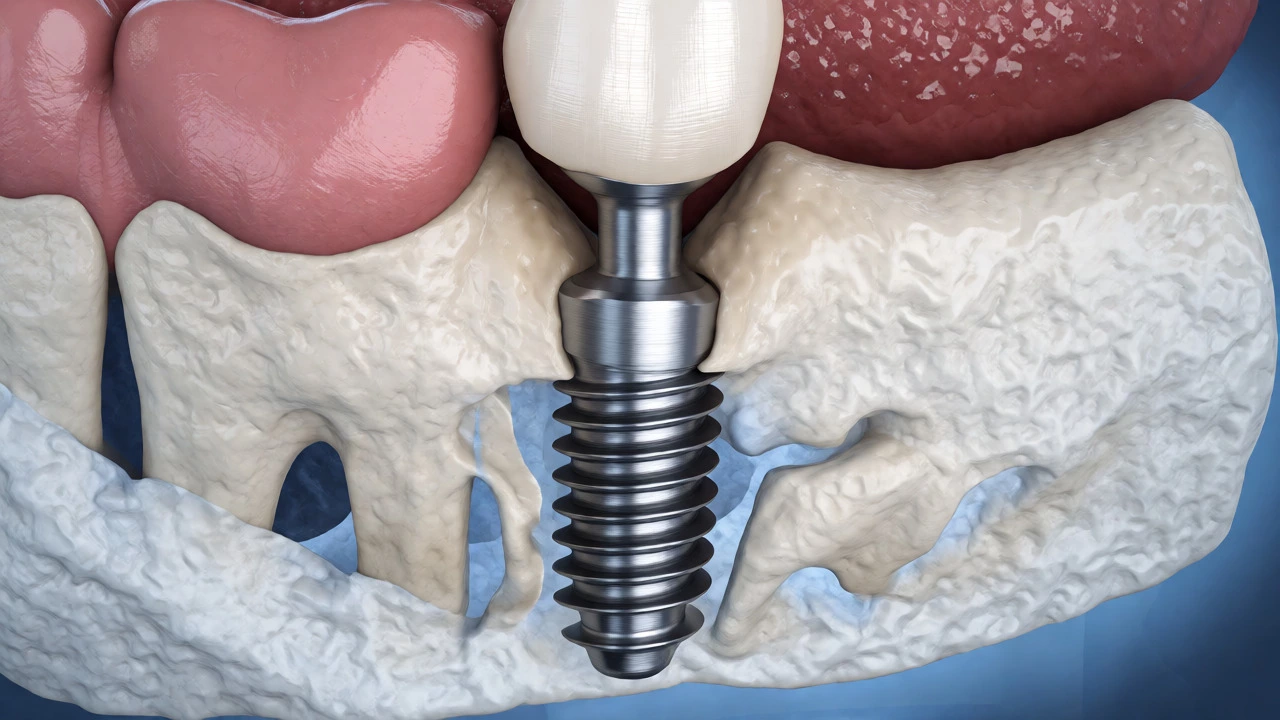
This is the gold standard for dental implant placement, especially if you have lost bone density due to long-term tooth loss. In this scenario, you don’t necessarily go without teeth for the entire healing period, but you do have to wait for the metal post to fuse with your jawbone. This biological process is called osseointegration. It typically takes three to six months.
Here is how the timeline works:
- Day 1 (Surgery): Your dentist places the titanium screw into the gum and bone. At this point, you usually have no visible tooth.
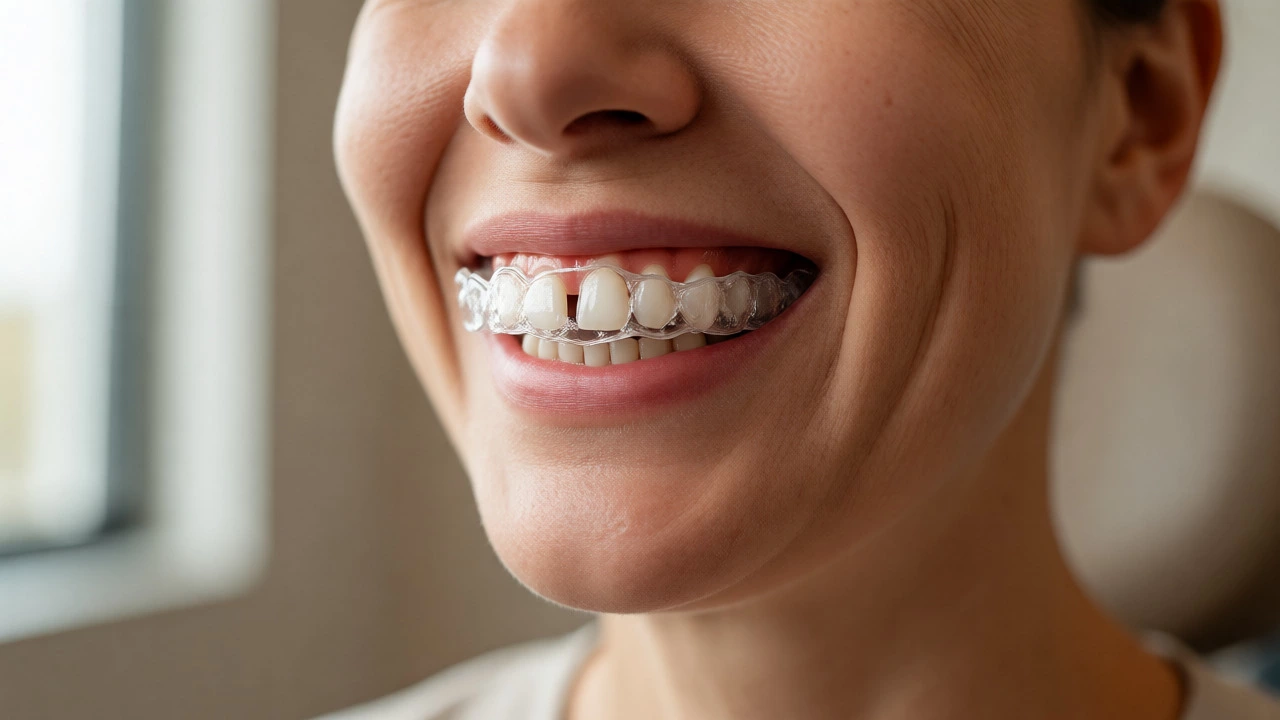
- Weeks 1-4: Swelling goes down. You might wear a removable partial denture (a "flipper") or an Essix retainer (like a clear aligner with a fake tooth) to cover the gap.
- Months 3-6: The bone grows tightly around the implant. During this time, you continue wearing your temporary solution.
- Month 6+: Once integration is confirmed via X-ray, a small connector (abutment) is attached, and your permanent crown is fitted.
So, technically, you never go completely toothless if you choose this path because you have a temporary cosmetic cover. However, you cannot bite hard food on that specific spot for several months. If you refuse to wear a removable temporary, then yes, you will have a visible gap for up to six months.
Immediate Load: Walking Out With Teeth
Can you get teeth on the same day? Yes. This technique is often marketed as "Teeth in a Day" or immediate load implants. Unlike traditional implants, these allow you to leave the clinic with a fixed, non-removable temporary tooth attached directly to the implant.
This option is fantastic for confidence, but it comes with strict conditions. Not everyone qualifies. To be eligible for immediate loading, you generally need:
- Good bone density and volume at the implant site.
- No active gum disease or infection.
- Adequate initial stability of the implant when screwed in (measured by torque).
If you qualify, your "time without teeth" is effectively zero. You walk out with a smile. However, there is a catch. The temporary tooth attached on day one is usually made of acrylic and is designed for aesthetics, not heavy chewing. You must eat soft foods for the first 8-12 weeks while the bone heals underneath. If you bite into a steak too early, you risk moving the implant and failing the integration process. So, while you aren't toothless, you are functionally restricted.
All-on-4 and Full Arch Solutions
If you are replacing an entire upper or lower arch, the timeline changes slightly. Procedures like All-on-4 involve placing four implants to support a full bridge of teeth.
In many UK clinics, All-on-4 follows an immediate load protocol. You have surgery in the morning and receive a fixed temporary bridge by the afternoon. Again, you do not go home toothless. You do, however, live on a soft diet (soups, smoothies, mashed potatoes) for about three months. After this healing phase, you return for your final zirconia or porcelain bridge, which allows you to eat anything again.
What About Bone Grafting?
This is the wildcard that extends timelines. If you have been missing teeth for years, your jawbone may have shrunk (resorbed). A titanium screw needs solid bone to hold it, much like a fence post needs firm ground. If your bone is too thin, your surgeon will perform a bone graft before or during implant placement.
Bone grafting adds significant time to the process:
- Graft Healing: The grafted bone needs 4-9 months to mature before an implant can even be placed.
- Implant Placement: Then you start the standard 3-6 month osseointegration clock.
In worst-case scenarios involving major grafting, the total time from consultation to final tooth can stretch to 12-18 months. During this extended period, you will likely rely on removable dentures or flippers. While inconvenient, these prosthetics ensure you maintain facial structure and appearance throughout the long wait.
Comparing Your Options
To help you decide what fits your lifestyle, here is a breakdown of the waiting times and restrictions for different approaches.
| Treatment Type | Time Until Permanent Tooth | Do You Have Visible Teeth During Wait? | Dietary Restrictions |
|---|---|---|---|
| Traditional Single Implant | 3-6 Months | Yes (Removable Flipper/Essix) | Avoid chewing on implant site |
| Immediate Load Implant | 3-6 Months | Yes (Fixed Temporary Crown) | Soft diet for 8-12 weeks |
| All-on-4 / Full Arch | 3-6 Months | Yes (Fixed Temporary Bridge) | Strict soft diet for 3 months |
| With Bone Grafting | 6-12+ Months | Yes (Usually Removable Denture) | Standard denture limitations |

Managing Life During the Waiting Period
Worrying about how you look or eat is normal. Here is how to handle the interim phase practically.
Social Confidence: If you are worried about gaps showing when you talk, ask your dentist about an Essix retainer. These are clear plastic trays, similar to Invisalign, with a painted tooth attached. They are discreet, comfortable, and stay in place while you speak. For back teeth, where visibility is low, many patients choose to simply leave the space empty until the final crown arrives, avoiding the hassle of managing a removable piece.
Eating Habits: Never test the limits of your temporary teeth. If you have a fixed temporary crown, remember it is glued or screwed lightly to prevent stress on the healing implant. Cutting food into small pieces and chewing on the opposite side of your mouth protects the investment. If you have a removable flipper, remove it before eating sticky foods like caramel or taffy, which can dislodge the prosthesis.
Hygiene: Keeping the area clean is critical for success. Use a chlorhexidine mouthwash (often prescribed by UK dentists) for the first two weeks after surgery to reduce bacteria. After that, gentle brushing around the surgical site prevents infection, which is the primary cause of implant failure during the healing phase.
When Should You Worry?
Pain should decrease significantly after the first week. If you experience increasing pain, swelling, or pus discharge after two weeks, contact your dentist immediately. This could indicate peri-implantitis (infection around the implant) or failed osseointegration. Catching these issues early saves you from having to start the whole process over, which would add another six months to your timeline.
Ultimately, the question "how long do you go without teeth" has a reassuring answer: rarely more than a few hours, provided you work with a skilled clinician who plans for temporaries. Whether you choose a fixed bridge or a removable flipper, you don't have to sacrifice your smile while your body does the hard work of healing.
Can I get a dental implant and a tooth on the same day?
Yes, this is known as immediate loading or "Teeth in a Day." However, it requires sufficient bone density and high initial implant stability. Not all patients are candidates, particularly those with severe bone loss or active gum disease.
How long does osseointegration take in the UK?
Osseointegration typically takes 3 to 6 months for the lower jaw and 4 to 6 months for the upper jaw. The upper jaw often takes longer because the bone is less dense than the lower jaw.
Will I have a visible gap while my implant heals?
Not necessarily. Most dentists provide a temporary solution such as a removable partial denture (flipper), an Essix retainer, or a bonded temporary bridge. This ensures you maintain aesthetics during the healing period.
Does smoking affect the waiting time for implants?
Smoking restricts blood flow, which slows down healing and increases the risk of implant failure. Smokers may face longer healing times and higher rejection rates. Many UK clinicians recommend quitting smoking at least 2 weeks before surgery and continuing for the duration of the healing process.
What happens if I need a bone graft?
If you require a bone graft, the overall treatment timeline extends significantly. You may need to wait 4 to 9 months for the graft to integrate before the implant can be placed, adding to the total time before you receive your permanent tooth.