Chronic Pain Management Plan Builder
Assess your current approach and discover which areas need strengthening. Remember: There is no single cure. The best plan combines multiple strategies.
Current Status Assessment
1. Physical Rehabilitation & Movement
2. Psychological Support & Mind-Body
3. Pharmacological Interventions
4. Lifestyle & Environment
Your Personalized Roadmap
Awaiting Analysis
Immediate Next Steps:
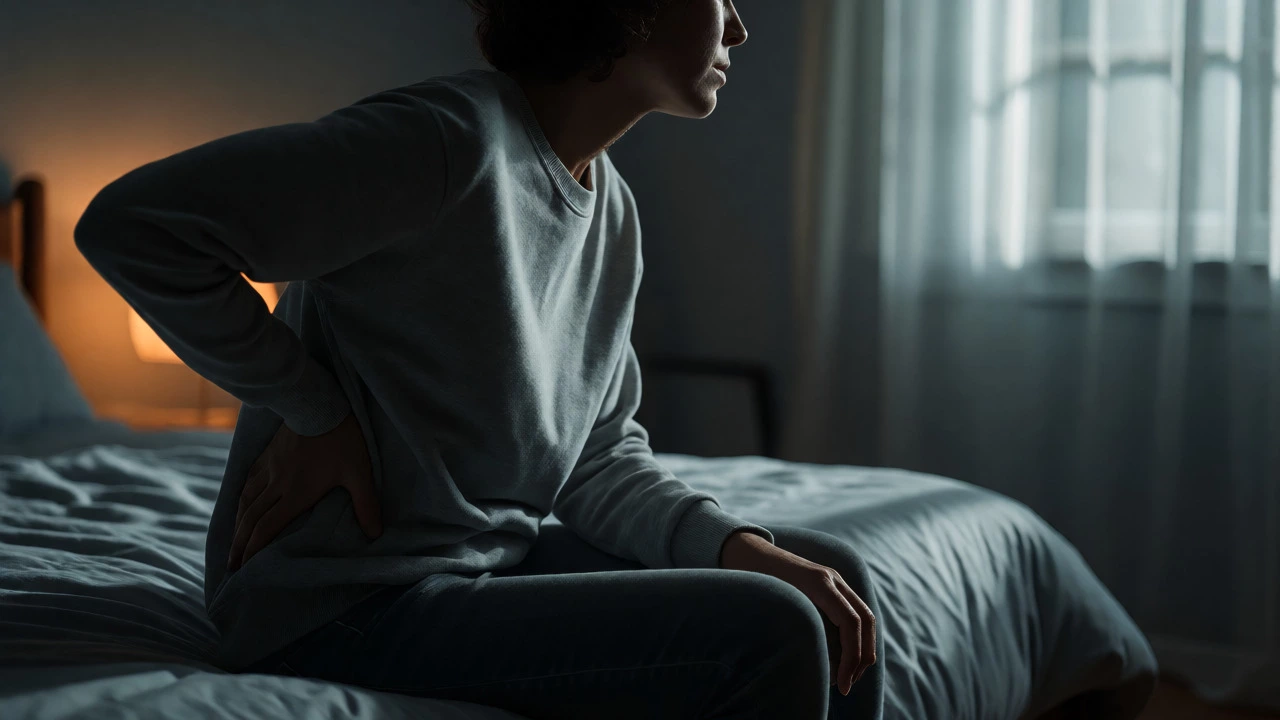
Living with chronic pain is exhausting. It’s not just about the ache in your back or the throb in your joints; it’s about how that pain steals your sleep, limits your movement, and drains your mood. If you’ve been searching for a single magic pill to fix everything, you’re likely disappointed already. The truth? There is no one-size-fits-all cure. The best treatment plan for chronic pain is rarely a single intervention. Instead, it’s a personalized, multi-layered strategy that combines medical, physical, and psychological approaches to help you function better and feel more like yourself again.
Why Single-Modality Treatments Often Fail
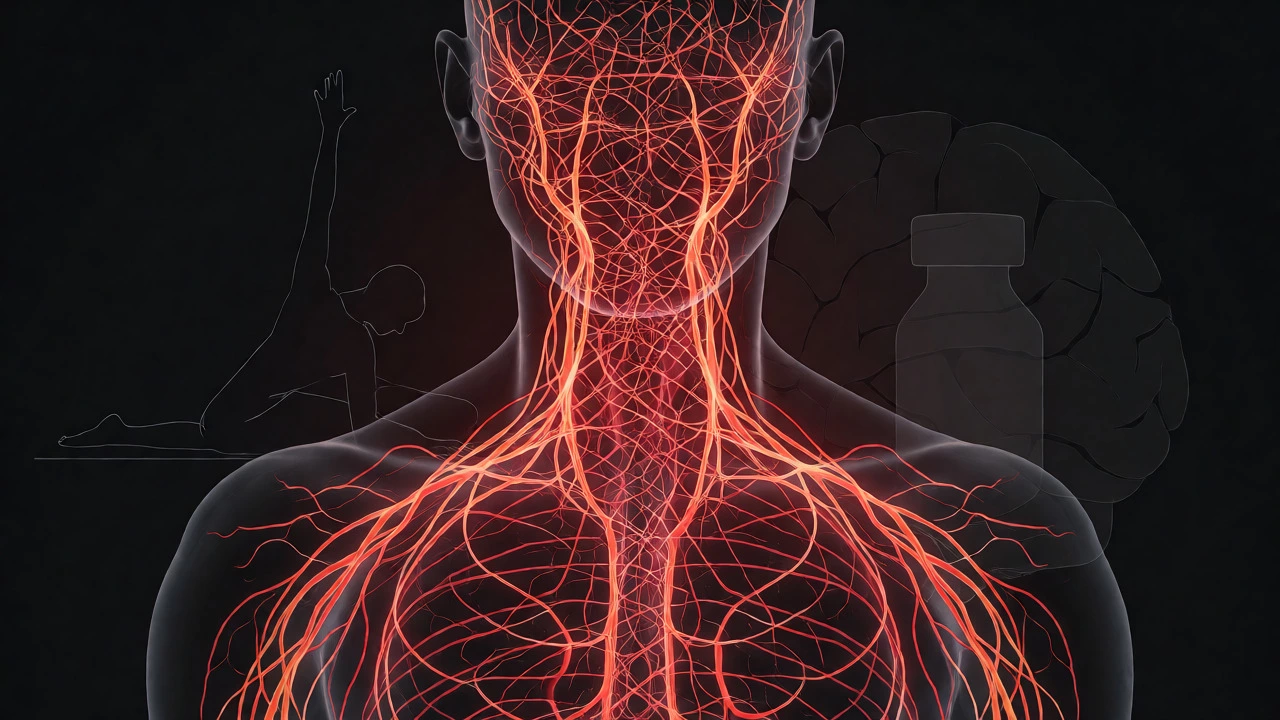
Think of chronic pain as a tangled knot rather than a straight line. In acute pain, like breaking a bone, the problem is clear: tissue damage sends signals to the brain, you heal, and the pain stops. Chronic pain is different. The nervous system becomes sensitized. Your brain starts interpreting non-painful stimuli as painful (allodynia) and amplifies actual pain signals (hyperalgesia). Because the issue involves nerves, muscles, emotions, and lifestyle factors, treating just one aspect often leaves the rest of the knot tight.
This is why relying solely on opioids or only doing stretching exercises usually leads to frustration. Research consistently shows that multidisciplinary pain management yields significantly better outcomes for function and quality of life than any single therapy alone. You need a team approach, even if that team is just you and a few specialists.
The Core Pillars of an Effective Pain Management Plan
An effective plan isn’t built overnight. It requires assessing your specific type of pain-whether it’s neuropathic, nociceptive, or mixed-and building layers of support around it. Here are the four pillars that most successful plans rely on.
1. Physical Rehabilitation and Movement
Motion is lotion, but it has to be the right kind. For many people with chronic lower back pain, fear-avoidance behavior leads to muscle atrophy, which worsens stability and increases pain. A tailored exercise program is crucial. This isn’t about running marathons; it’s about graded exposure to movement.
- Aerobic Exercise: Walking, swimming, or cycling releases endorphins and reduces inflammation. Aim for low-impact activities initially.
- Strength Training: Weak supporting muscles force joints to take too much load. Targeted strength work stabilizes the area.
- Flexibility and Mobility: Yoga or Pilates can help restore range of motion without aggressive stretching that might trigger flare-ups.
2. Psychological Support and Mind-Body Techniques
Pain and mental health are bidirectional. Depression and anxiety lower your pain threshold, while constant pain fuels anxiety. Ignoring this link is a mistake. Cognitive Behavioral Therapy (CBT) for pain doesn’t mean your pain is “in your head.” It means learning new ways to respond to pain signals so they don’t hijack your day.
Techniques like mindfulness-based stress reduction (MBSR) have shown measurable reductions in pain intensity scores in clinical trials. Learning to decouple the sensation of pain from the emotional reaction to it gives you back a sense of control.
3. Pharmacological Interventions
Medication has its place, but it should be viewed as a tool to enable other therapies, not a permanent fix. The goal is to use the lowest effective dose for the shortest necessary duration.
| Class | Primary Use Case | Key Considerations |
|---|---|---|
| NSAIDs (e.g., Ibuprofen) | Inflammatory pain (arthritis) | Gastrointestinal risks; avoid long-term daily use without protection. |
| Anticonvulsants (e.g., Gabapentin) | Neuropathic pain (nerve damage) | Can cause drowsiness; requires gradual titration. |
| SNRIs (e.g., Duloxetine) | Fibromyalgia, widespread pain | Also treats co-occurring depression/anxiety. |
| Topical Agents (e.g., Lidocaine) | Localized surface pain | Minimal systemic side effects; good for elderly patients. |
Opioids are controversial for chronic non-cancer pain. While they may offer short-term relief, tolerance develops quickly, and hyperalgesia (increased sensitivity to pain) can occur with long-term use. Most guidelines now recommend reserving them for severe cases where other options have failed, under strict monitoring.
4. Lifestyle and Environmental Adjustments
Your environment shapes your pain experience. Sleep hygiene is critical because poor sleep lowers pain thresholds. Establishing a consistent sleep schedule, keeping the bedroom cool and dark, and avoiding screens before bed can reduce morning stiffness and fatigue.
Diet also plays a role. An anti-inflammatory diet rich in omega-3 fatty acids, leafy greens, and whole grains may help reduce systemic inflammation. Conversely, high sugar and processed food intake can exacerbate inflammatory markers. Hydration is another simple but overlooked factor; dehydrated discs in the spine lose cushioning capacity.
Building Your Personalized Roadmap
So, how do you actually start? Don’t try to overhaul your life in one week. Start small.
- Assess Baseline: Keep a pain diary for two weeks. Note pain levels (0-10), triggers, sleep quality, and mood. This data helps your doctor tailor the plan.
- Consult Specialists: See a primary care physician first, then get referrals to a physiotherapist and potentially a pain specialist or psychologist.
- Set Functional Goals: Instead of aiming for “zero pain,” aim for “walking to the mailbox without stopping” or “playing with grandchildren for 20 minutes.”
- Implement One Change at a Time: Add ten minutes of walking, or start CBT sessions, or adjust medication timing. Monitor the impact before adding another layer.

When to Re-evaluate Your Plan
Chronic pain is dynamic. Your plan needs to evolve. If you haven’t seen improvement in function after three months of consistent effort, it’s time to reassess. Maybe the diagnosis was incomplete. Maybe the medication dosage needs adjustment. Or perhaps a new comorbidity, like thyroid issues or vitamin D deficiency, has emerged.
Be wary of providers who promise instant cures or push expensive, unproven gadgets. Evidence-based medicine moves slowly but reliably. Look for clinicians who listen to your goals and explain the rationale behind every recommendation.
FAQs on Chronic Pain Treatment
Is chronic pain ever fully cured?
For many conditions, such as osteoarthritis or fibromyalgia, a complete "cure" meaning zero pain forever, is rare. However, significant remission and symptom management are very achievable. The focus shifts from elimination to management, allowing for a high quality of life despite occasional flare-ups.
How long does it take for a new treatment plan to work?
It varies by modality. Medications may show effects within days to weeks. Physical therapy benefits typically appear after 6-8 weeks of consistent practice. Psychological interventions like CBT often require 8-12 sessions to see substantial changes in coping mechanisms. Patience is key, but lack of any progress after three months warrants a review.
Are alternative therapies like acupuncture effective?
Evidence is mixed but generally supportive for certain types of pain, particularly chronic lower back pain and knee osteoarthritis. Many patients find relief through acupuncture, massage, or chiropractic care. These are best used as complementary therapies alongside standard medical and physical treatments, not as replacements.
What is the role of TENS units in chronic pain?
Transcutaneous Electrical Nerve Stimulation (TENS) devices send mild electrical currents to nerve endings, potentially blocking pain signals or stimulating endorphin release. They are safe, non-invasive, and inexpensive. While they don't work for everyone, many users report temporary relief during activity or rest periods.
Should I stop exercising when my pain flares up?
Not necessarily. Complete bed rest often stiffens joints and weakens muscles, prolonging recovery. During a flare-up, modify your activity level rather than stopping entirely. Switch to gentler movements like water aerobics or gentle stretching, and gradually return to normal intensity as symptoms subside.