
All-on-4 Healing Timeline & Diet Planner
Healing Progress
Select a phase to see what happens to your body and what you can eat.
Day 1
Immediate LoadSurgery & Temporary Bridge
You leave with a fixed, non-removable acrylic bridge. It looks great but is fragile. Do not chew hard foods.
Weeks 1-4
Soft DietInitial Soft Tissue Healing
Swelling subsides. Gums adapt to new hardware. Still strict soft diet to prevent micro-movements at the implant site.
Months 2-3
IntegrationOsseointegration Begins
Bone starts fusing to titanium. You may feel more confident, but the temporary bridge is still in place. Avoid excessive force.
Months 4-6
Final StagePermanent Bridge Placement
Surgeon confirms integration via X-ray. Temporary bridge removed. Permanent zirconia/porcelain bridge fitted. Stronger and aesthetic.
Walking into a dental clinic with the hope of leaving with a brand-new smile by evening sounds like a dream. It’s the kind of promise that catches your eye on social media or in glossy brochures. But does it actually work? Can you really get dental implants UK style in just one day? The short answer is yes, but the long answer involves some important caveats about what “one day” actually means for your healing process.
When patients ask this question, they are usually thinking of a specific technique known as immediate load implants. This isn’t magic; it’s advanced surgical planning combined with modern materials. However, before you book a flight to a dental tourism hub or sign up for a local clinic’s express package, you need to understand the mechanics behind getting full arches replaced quickly and whether your body can handle it.
What exactly is "All-on-4"?
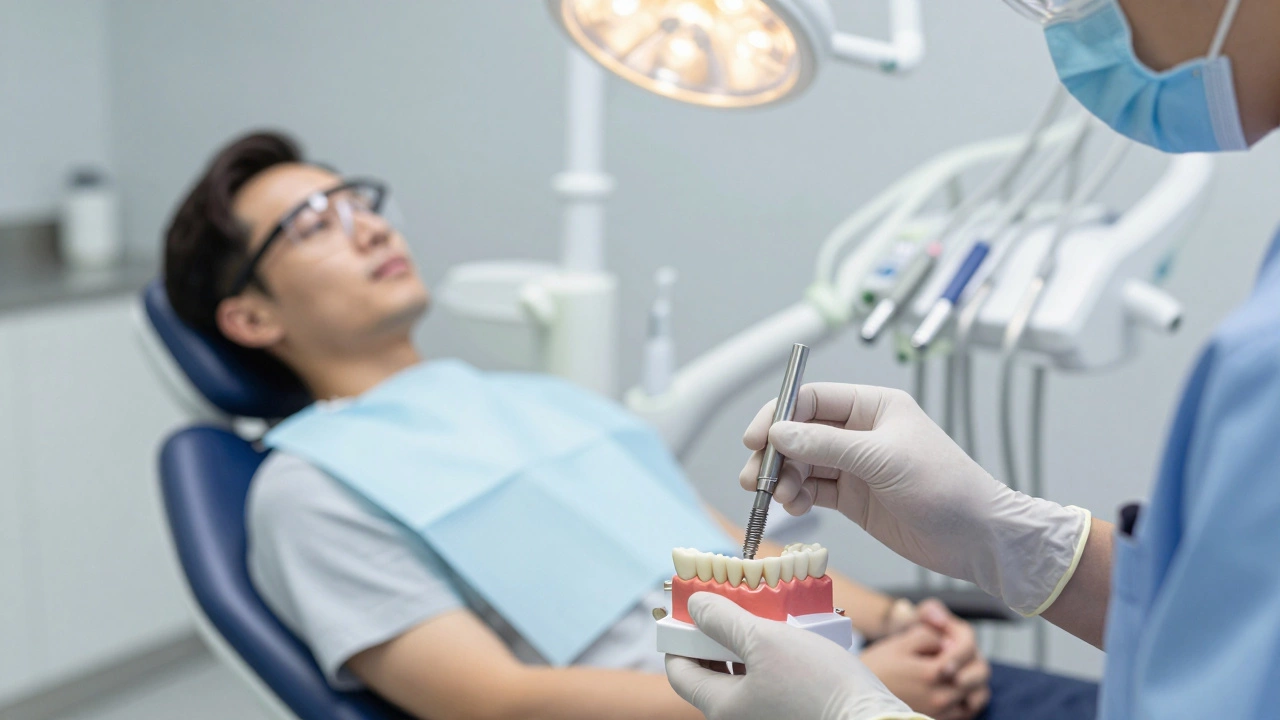
All-on-4 is a surgical technique where four titanium implants support a full arch of teeth.
The Mechanics of Same-Day Teeth
To understand how you can walk out with teeth after surgery, we have to look at the concept of primary stability. In traditional implant dentistry, surgeons place the titanium post into the jawbone and then wait three to six months. This waiting period, called osseointegration, allows the bone to grow around the metal and fuse with it. Only then do they attach the final crown or bridge.
In an immediate load scenario, the surgeon achieves such high levels of primary stability during the initial placement that they can safely attach a temporary prosthetic (the fake teeth) right away. The most common method for this is the All-on-4, which uses four strategically angled implants to anchor a full upper or lower arch. By angling the back two implants, the surgeon can often avoid nerve bundles or sinus cavities, meaning you might not even need bone grafting. This saves months of additional surgery and healing time.
So, when clinics say “teeth in a day,” they mean you leave the clinic with a fixed, non-removable bridge attached to those four posts. You will look good, and you will feel confident. But here is the catch: those teeth are temporary. They are made of acrylic, not ceramic, and they are not meant to withstand heavy chewing forces while the bone is still fusing to the implants underneath.
Who Is Actually Qualifies for Immediate Load?
Not everyone is a candidate for this rapid approach. If you have significant bone loss, severe gum disease, or certain systemic health issues like uncontrolled diabetes, your surgeon will likely steer you toward the traditional, slower route. The bone needs to be dense enough to grip the implant immediately. Think of it like driving screws into wood versus driving them into drywall. If the material isn’t strong enough to hold the screw tight from the start, you can’t hang a heavy mirror on it instantly.
Dentists evaluate candidates using CBCT scans (Cone Beam Computed Tomography). These 3D images show the exact density and volume of your jawbone. If the scan shows sufficient bone quality, you might be eligible. If not, you may need a bone graft first, which adds several months to your timeline before any implants can even be placed.
Also consider your lifestyle. Smokers face significantly higher risks of implant failure because nicotine restricts blood flow, slowing down the healing process required for osseointegration. Many ethical surgeons will refuse to perform immediate load procedures on active smokers due to the high probability of complications.
The Reality of the Healing Phase
This is where the marketing gloss fades and reality sets in. Even though you have teeth on day one, your body is still doing the hard work internally. For the first few weeks, you must stick to a soft diet. No apples, no steak, no crunchy bread. You eat soups, mashed potatoes, scrambled eggs, and smoothies. This protects the temporary bridge and, more importantly, prevents micro-movements at the implant site that could disrupt the bone fusion.
During this phase, the temporary acrylic teeth serve two purposes: aesthetics and function guidance. They help you speak normally and allow you to maintain a normal appearance while you heal. However, they are fragile. Biting down too hard can crack the acrylic or loosen the screws holding the bridge to the implants. Most patients report feeling a strange sensation in their gums for the first month as swelling goes down and the tissues adapt to the new hardware.
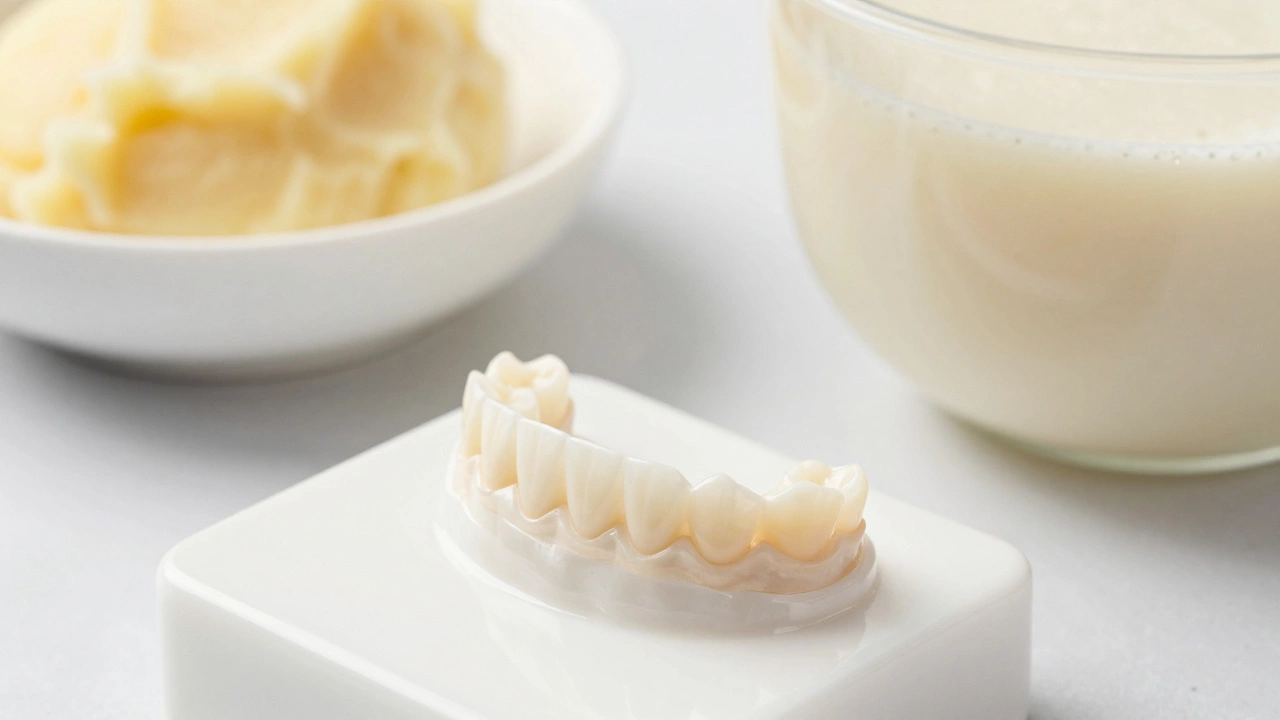
It typically takes three to six months for the implants to fully integrate with the jawbone. Once your surgeon confirms via X-ray that the integration is successful, they will remove the temporary bridge. Your mouth is then scanned digitally, and a permanent bridge-usually made of zirconia or porcelain-fused-to-metal-is fabricated in a lab. This final set of teeth is stronger, more aesthetic, and designed to last for decades.
Cost Considerations in the UK Market
Getting full dental implants in the UK is a significant investment. Prices vary wildly depending on the clinic’s location, the surgeon’s experience, and the materials used. Generally, a full All-on-4 arch can cost between £8,000 and £15,000 per arch. Some clinics advertise lower prices, but be wary of hidden costs. Does the quote include the temporary bridge? The final bridge? Follow-up visits? CT scans? Sedation?
Cheap options often cut corners on the quality of the implant components or the laboratory work for the final prosthesis. A failed implant requires removal and re-grafting, which costs far more than paying for a premium service upfront. Always ask for a detailed breakdown of fees. Also, check if the price includes warranties. Reputable clinics often offer a warranty on both the surgical work and the prosthetic teeth.
If you are considering dental tourism to countries with lower labor costs, remember that follow-up care is crucial. If something goes wrong three months later-a loose screw, an infection, or a cracked tooth-you need a local dentist who can fix it. Flying back to another country for a minor adjustment is expensive and stressful. Many UK patients choose to stay local for peace of mind, despite the higher initial price tag.
Risks and Complications
No surgery is without risk. While immediate load implants have high success rates (over 95% in suitable candidates), complications can occur. Infection is a primary concern. Poor oral hygiene before and after surgery can lead to peri-implantitis, an inflammatory condition that destroys the bone supporting the implant. This is why meticulous cleaning around the implants is non-negotiable.
Nerve damage is another potential issue, particularly in the lower jaw where the inferior alveolar nerve runs. If an implant is placed too close to this nerve, it can cause numbness or tingling in the lip and chin. This is rare when experienced surgeons use 3D imaging, but it remains a possibility. Sinus perforation can occur in the upper jaw if implants are placed too high, potentially leading to chronic sinus issues.
Additionally, the temporary bridge can sometimes cause bite misalignment if not adjusted properly. An uneven bite puts excessive pressure on specific implants, which can prevent proper healing. Regular check-ups during the healing phase are essential to ensure everything is settling correctly.
| Feature | Traditional Implants | Immediate Load (All-on-4) |
|---|---|---|
| Time to Final Teeth | 6-12 months | 3-6 months (temporary teeth on day 1) |
| Number of Surgeries | Often multiple (grafting + placement) | Usually one main surgery |
| Bone Grafting Needed? | Frequently | Rarely (due to angulation) |
| Diet During Healing | Soft diet for weeks | Strict soft diet for 2-3 months |
| Cost Range (Per Arch) | £10,000 - £20,000+ | £8,000 - £15,000 |

Choosing the Right Surgeon
The success of your procedure depends almost entirely on the skill of your surgeon. Not all general dentists are trained in complex implantology. Look for a specialist in Oral Surgery or Periodontics who has extensive experience with immediate load cases. Ask to see before-and-after photos of their actual patients, not stock images from implant manufacturers.
Ask specific questions during your consultation:
- How many All-on-4 cases have you performed?
- What happens if my bone density is lower than expected on the day of surgery?
- Who makes the final bridge, and what material is it?
- What is your protocol if an implant fails?
A good surgeon will manage your expectations realistically. They won’t promise perfection overnight. They will explain the risks, the dietary restrictions, and the importance of long-term maintenance. If a clinic pressures you into booking immediately without a thorough assessment, walk away.
For those looking for broader resources on medical tourism or specialized directories, there are various online platforms available. For instance, if you were traveling extensively and needed verified local contacts for other services abroad, you might find useful information on sites like this directory, though for dental work, always prioritize accredited medical professionals over general travel guides.
Maintaining Your New Smile
Once your permanent bridge is in place, your job isn’t done. Implants don’t get cavities, but they can get infected. You need to clean under the bridge daily using special floss threads or water flossers. Regular professional cleanings every six months are mandatory to monitor the health of the gums and bone around the implants.
Avoid habits that stress the implants. Don’t chew ice, open packages with your teeth, or grind your teeth at night without a protective guard. With proper care, full dental implants can last a lifetime. The bridge itself may need replacement or repair every 10 to 15 years due to wear and tear, but the titanium posts should remain solid.
Does getting implants in one day hurt?
The surgery itself is painless due to anesthesia. Post-operative discomfort is manageable with prescribed painkillers and usually peaks within the first 48 hours. Swelling and bruising are common but subside within a week.
How long do temporary teeth last?
Temporary acrylic bridges are designed to last only through the healing phase, typically 3 to 6 months. They are not durable enough for long-term use and will eventually need to be replaced with a permanent zirconia or porcelain bridge.
Can I eat normally immediately after surgery?
No. You must follow a strict soft-food diet for at least two to three months. Chewing hard foods can compromise the stability of the implants before they have fused with the bone, leading to failure.
Is bone grafting always avoided with All-on-4?
In most cases, yes. The strategic angling of the posterior implants allows surgeons to bypass areas of low bone density. However, if bone loss is extreme, minor grafting or alternative techniques may still be necessary.
What is the success rate of immediate load implants?
Success rates are generally above 95% for healthy patients with adequate bone density. Risks increase for smokers, diabetics, and those with poor oral hygiene habits.