
Dental Implant Eligibility & Cost Estimator
This tool helps you estimate whether you might need a bone graft and what your journey to a new smile might look like if it has been at least two years since your extraction.
Your Situation
Estimated Plan & Costs
Will I need a Bone Graft?
Estimated Timeline
Estimated UK Private Costs
*Estimates only. Prices vary by clinic and location. Always request a fixed quote.
Select your options and click "Analyze My Case" to see your personalized estimate.
You pulled a tooth two years ago. Maybe it was an emergency, maybe you were saving up for the fix, or maybe life just got in the way. Now, that gap in your smile is starting to bug you. You’re wondering if it’s too late. Is the bone gone? Did the gum shrink so much that a dental implant is no longer possible without major surgery? The short answer: No, it is not too late. But the path back isn’t always as simple as "drill and fill."
The Reality of Bone Loss After Extraction
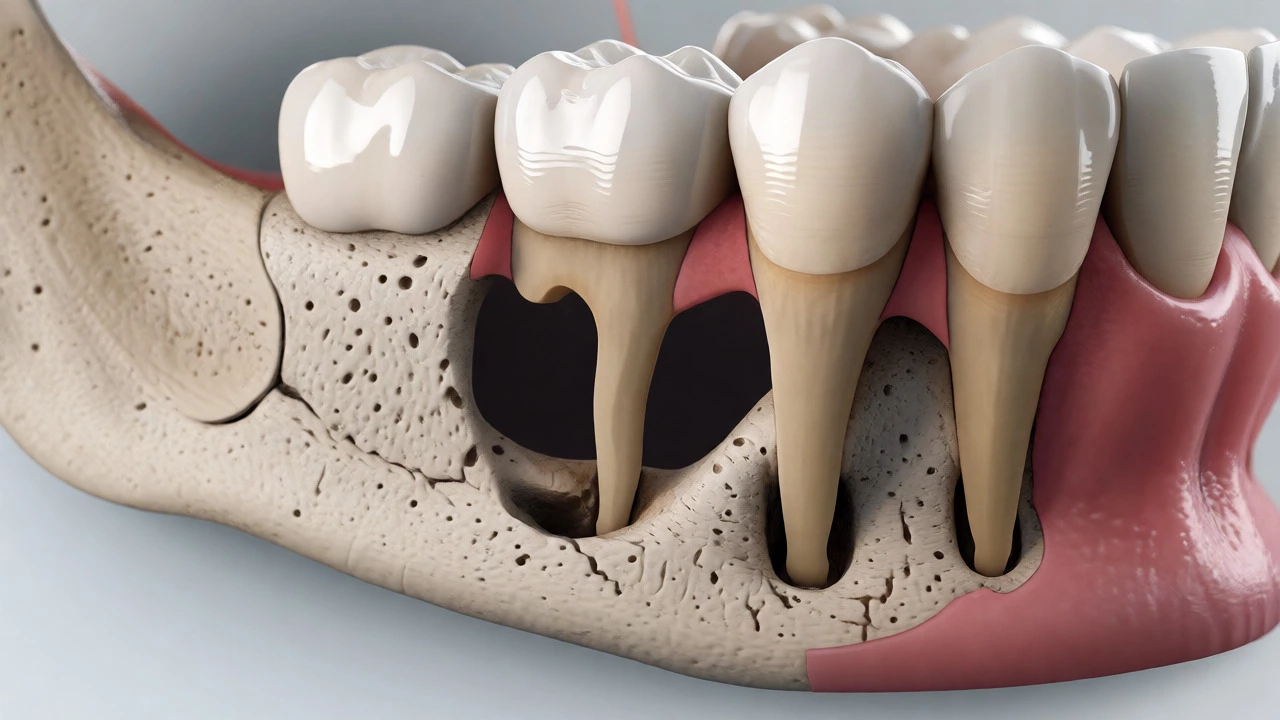
Here is the biological truth nobody likes to hear: when you lose a tooth, you start losing bone immediately. This process is called resorption. Your jawbone needs stimulation from the tooth root to stay dense. Without that root, the body reabsorbs the mineral content because it thinks it doesn't need that infrastructure anymore.
In the first six months after an extraction, you can lose up to 50% of the width of the alveolar ridge (the part of the jaw that holds teeth). By the two-year mark, the site has stabilized, but it is likely narrower and shallower than it was before the extraction. Does this mean you are disqualified? Not at all. It just means your dentist will look at the volume of available bone before deciding on the approach.
If you have enough height and width, you might be a candidate for standard placement. If the bone has shrunk significantly, you aren't out of options-you just need a different toolkit. This often involves bone grafting, which is a procedure to rebuild lost jawbone density using synthetic materials or donor bone.
Why Waiting Two Years Changes the Plan
Timing matters in dentistry. There are three main windows for implant placement:
- Immediate Placement: Putting the implant in right after pulling the tooth. Fast, but risky if there's infection.
- Early Placement: Waiting 4-8 weeks for soft tissue to heal, then placing the implant.
- Late Placement: Waiting 3+ months. This is where you are now.
At two years, you are firmly in the "late placement" category. The good news? The extraction site is fully healed. There is no open wound, no acute inflammation, and the gum tissue has matured. This stability is actually a benefit. Surgeons prefer working with healthy, stable tissue rather than rushing into a fresh socket. However, the trade-off is the bone volume issue we mentioned earlier.
Think of it like building a house foundation. Immediate placement is like pouring concrete while digging the hole-fast but tricky. Late placement is like having a prepared site where you might need to add extra cement (grafting) to ensure the foundation is wide enough to hold the structure.
Do You Always Need a Bone Graft?
This is the million-dollar question. Not everyone who waits two years needs a graft. It depends entirely on where the tooth was and how your body heals.
Anterior teeth (front teeth) often leave less bone behind because the roots are single and thin. Posterior teeth (molars) have wider roots, so they sometimes preserve more bone structure initially. But even molars can suffer significant loss over 24 months.
| Tooth Type | Bone Density Risk | Likelihood of Grafting | Alternative Options |
|---|---|---|---|
| Front Incisors | High | Very High | Shorter implants or sinus lift |
| Premolars | Moderate | Moderate | Ridge expansion techniques |
| Molars | Variable | Low to Moderate | Standard diameter implants |
| Lower Jaw vs Upper | Upper loses faster | Higher in Upper Jaw | Zygomatic implants (extreme cases) |
Your dentist will use a CBCT scan (a 3D X-ray) to measure exactly what you have left. They are looking for at least 1mm of bone surrounding the implant fixture to ensure long-term success. If you fall short, grafting becomes necessary. Don't fear the graft-it’s routine. Most modern grafts integrate well within 4-6 months.
The Step-by-Step Process for Delayed Implants
If you decide to go ahead, here is what the next few months look like. It’s not overnight, but it’s manageable.
- Consultation and Imaging: You’ll get a CBCT scan. This shows the nerve positions, sinus floor, and exact bone dimensions. No guesswork here.
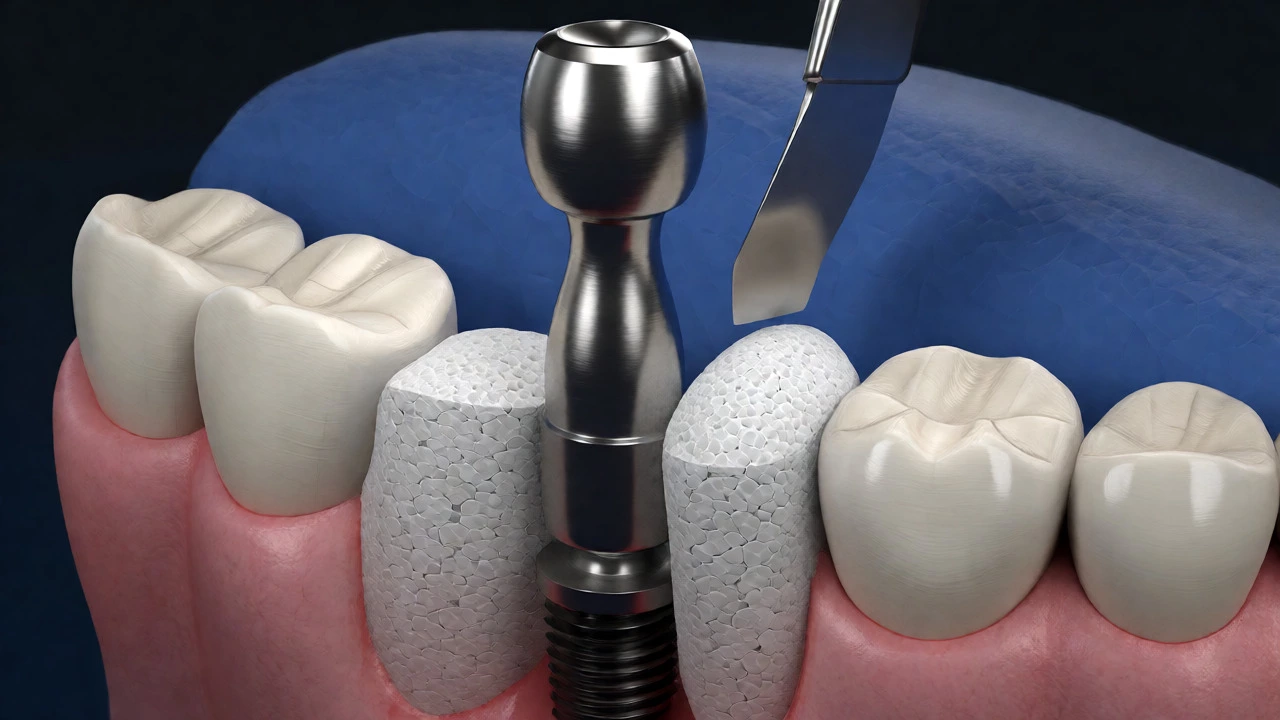
- Grafting Phase (If Needed): If the surgeon says you need bone, they pack the area with graft material. You go home with stitches. Healing takes 3-6 months. During this time, you eat normally but avoid chewing directly on that spot.
- Implant Placement: Once the graft hardens (or if no graft was needed), the titanium post goes in. This is a minor surgical procedure under local anesthesia. You’re awake, but numb.
- Osseointegration: The implant fuses with your jawbone. For delayed placements, this usually takes 3-4 months. You might wear a temporary flipper or bridge during this phase.
- Abutment and Crown: Finally, the connector (abutment) and the fake tooth (crown) are attached. You walk out with a permanent solution.
Total timeline? If you need grafting, expect 6-9 months from consultation to final crown. If no grafting is needed, you could be done in 4-5 months.
Cost Implications in the UK Context
Let’s talk money. In the UK, private dental implant costs vary wildly based on location and clinic reputation. A single implant typically ranges from £2,500 to £4,500. That price usually includes the implant, abutment, and crown.
But wait-if you need a bone graft, add another £300 to £800 per site. Some clinics bundle this; others charge separately. Always ask for a full treatment plan breakdown before signing anything. Hidden costs creep in when people assume "implant" means everything.
Is it worth it compared to waiting longer? Yes. Every year you wait, bone loss continues. At five years, you might need more extensive reconstruction than at two years. Plus, adjacent teeth can drift into the gap, causing bite issues that require orthodontic correction later. Fixing those problems adds cost and complexity.
What If You Have Gum Disease?
Two years is a long time. If you’ve had poor oral hygiene during that period, you might have developed peri-implantitis risks or general periodontal disease. You cannot place an implant in active gum disease. The bacteria will attack the new implant just like they attacked your natural teeth.
Before any implant work, your gums must be healthy. This might mean a deep clean (scaling and root planing) a few weeks before surgery. It’s a small step that saves thousands in potential failure rates. Implants don’t get cavities, but they do get gum disease. Keep it clean.

Alternatives If You Don’t Want Surgery
Not everyone wants to undergo bone grafting. If the thought of additional surgery scares you, consider these options:
- Dental Bridge: Uses neighboring teeth as anchors. No surgery required. Faster (2-3 weeks). But it requires grinding down healthy adjacent teeth. Lifespan is shorter (10-15 years).
- Resin-Bonded Bridge: Less invasive than traditional bridges. Glues wings to the back of teeth. Good for front teeth gaps. Can pop off occasionally.
- Partial Denture: Removable appliance. Cheapest option upfront. Can feel bulky. Requires daily removal for cleaning. Often seen as a temporary fix, though some people live with them happily for decades.
However, if you want a fixed, permanent solution that feels like a real tooth, the implant remains the gold standard. The initial hassle of healing pays off in longevity and function.
Common Myths About Waiting Too Long
Let’s bust a few rumors floating around online forums:
"My face has caved in because I waited." Unlikely. Significant facial collapse happens only with multiple missing teeth and severe bone loss over many years. One missing tooth rarely changes your profile visibly.
"I’m too old for an implant." Age isn’t a barrier. Health status is. If you’re 75 with controlled diabetes and good hygiene, you’re a great candidate. If you’re 30 with uncontrolled smoking habits, you’re a higher risk.
"Smoking ruins everything." Smoking does increase failure rates by doubling the risk of non-integration. But it doesn’t make implants impossible. Many smokers get successful implants. Just know you’ll need stricter aftercare and possibly more frequent check-ups.
Next Steps: How to Start Today
Don’t let uncertainty keep you stuck. Here’s your action plan:
- Book a Consultation: Find a specialist who offers free or low-cost initial assessments. Look for clinics affiliated with the British Society of Periodontology.
- Get the Scan: Insist on a CBCT scan. Standard 2D X-rays miss critical details about bone width.
- Ask Specific Questions: "Do I need a graft?" "How long will healing take?" "What is the total cost including follow-ups?"
- Evaluate Hygiene: Be honest about your brushing and flossing habits. Your dentist needs accurate info to predict success.
Two years is not a death sentence for your smile. It’s just a delay. With proper planning, you can restore function and aesthetics effectively. The key is acting now before further bone loss complicates things.
Is it harder to get an implant after 2 years than immediately after extraction?
It can be slightly more complex due to potential bone loss, requiring grafting. However, the surgical site is fully healed and stable, which can make the actual implant placement procedure smoother and more predictable than immediate placement in infected sockets.
Will my insurance cover a delayed implant?
In the UK, most private health insurance plans exclude routine dental care. NHS coverage for implants is extremely limited and usually reserved for congenital conditions or trauma. You will likely pay privately unless you have specific top-up dental cover.
How long does the entire process take if I need a bone graft?
Typically 6 to 9 months. This includes 3-6 months for the graft to integrate, followed by 3-4 months for the implant to fuse with the bone, plus time for fitting the crown.
Can other teeth move into the gap after 2 years?
Yes, adjacent teeth can tilt or drift into the empty space, and opposing teeth can over-erupt. This may require orthodontic treatment to create space before placing the implant, adding time and cost.
Is pain worse for delayed implants?
No. Pain levels are similar to extractions or minor oral surgery. Local anesthesia ensures comfort during the procedure. Post-operative discomfort is managed with standard painkillers and lasts only a few days.