Telehealth Suitability Checker
Not sure if you should book a video call or go to the clinic? Select your symptoms below to get an instant recommendation based on current telehealth guidelines.
Based on general Australian telehealth guidelines
Recommendation will appear here
Select a symptom and click check to see if a virtual visit is appropriate.
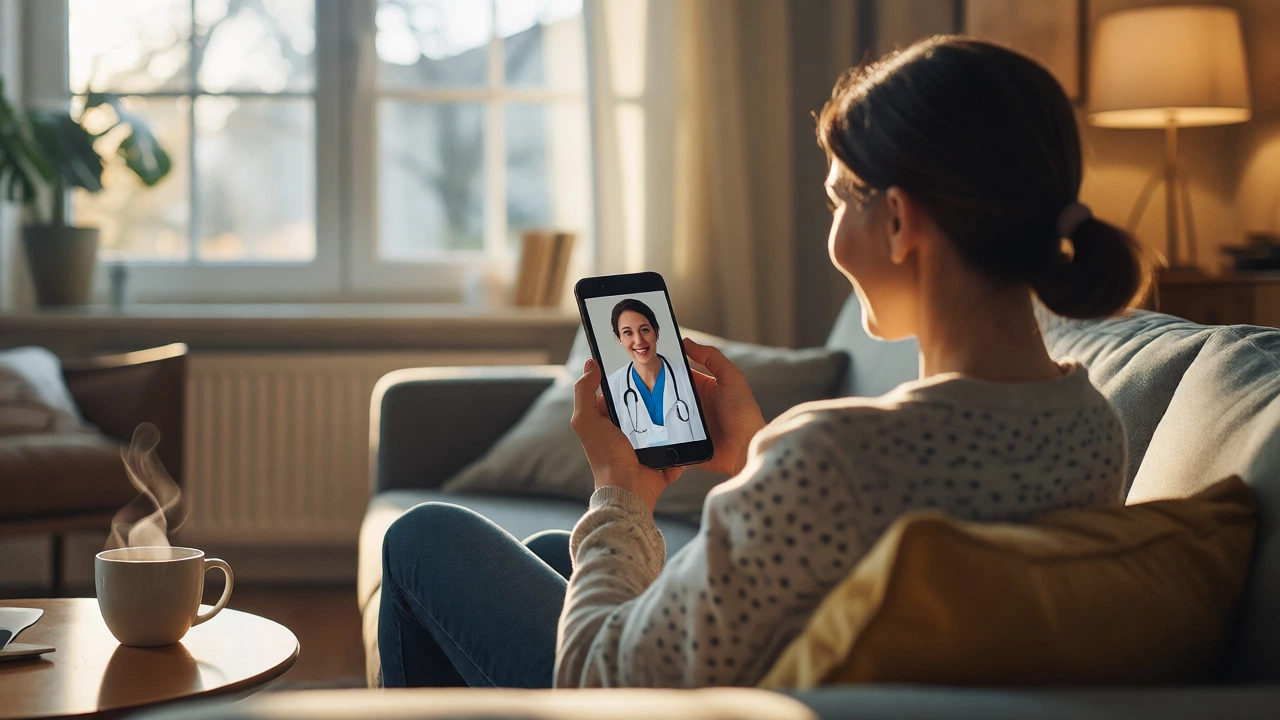
Imagine this: you wake up with a nagging cough and a fever. In the old days, your only option was to drag yourself to a clinic, sit in a waiting room full of germs, and hope the doctor has time for you. Today, you can pull out your phone, video call a GP, and get a diagnosis before your coffee gets cold. But here is the million-dollar question: can a doctor actually diagnose you virtually?
The short answer is yes-but with big asterisks. Telemedicine isn't magic; it's a tool. And like any tool, it works brilliantly for some jobs and fails miserably for others. As someone who has navigated the Australian healthcare system from Sydney to regional NSW, I've seen both the brilliance and the blind spots of remote care. Let’s break down exactly what a virtual doctor can see, what they miss, and when you really need to go in person.
What Is Virtual Diagnosis Really?
Before we talk about accuracy, let’s define what we mean by "virtual." It’s not just one thing. Telehealth is the delivery of healthcare services using technology such as phones and video calls to connect patients and providers remotely. It encompasses everything from a quick text chat with a nurse line to a high-definition video consult where a dermatologist examines a rash in real-time.
When people ask if a doctor can diagnose them, they’re usually thinking of a video call. This is called synchronous telehealth. The doctor sees you, talks to you, and asks questions in real-time. There’s also asynchronous telehealth, where you send photos or data (like blood sugar logs) to a doctor who reviews them later. Both have their place, but they offer very different diagnostic powers.
The core difference between a virtual and an in-person visit comes down to sensory input. In a clinic, a doctor uses four main tools: inspection (looking), palpation (touching), percussion (tapping), and auscultation (listening). In a virtual setting, you mostly lose touch and tap. You keep sight and sound, but the quality depends entirely on your webcam and microphone.
The Conditions That Work Great Over Video
For many common issues, a video call is just as effective as sitting in an exam room. Studies, including those reviewed by the Royal Australian College of General Practitioners, show that for specific categories, virtual diagnosis is highly reliable.
Mental Health is a primary area where telehealth excels because diagnosis relies heavily on conversation, observation of affect, and patient history rather than physical examination. Whether you’re dealing with anxiety, depression, or ADHD, a therapist or psychiatrist can assess your mood, speech patterns, and eye contact perfectly well over Zoom or FaceTime. In fact, many patients feel more comfortable opening up from the safety of their own couch.
Dermatology is another winner. If you have a suspicious mole, a rash, or acne, a high-resolution photo sent via a secure portal often gives the doctor more detail than a quick glance in a dimly lit clinic room. They can zoom in, adjust lighting, and look at the texture clearly. Similarly, respiratory issues like asthma or mild bronchitis can be assessed by listening to your breathing through a decent microphone and asking targeted questions about triggers and frequency.
- Mental Health: Anxiety, depression, PTSD, medication management.
- Dermatology: Rashes, acne, moles, psoriasis, eczema.
- Chronic Disease Management: Diabetes, hypertension, thyroid conditions (using home monitoring devices).
- Minor Illnesses: Cold, flu, sinus infections, UTIs (if symptoms are classic).
- Follow-ups: Checking progress on existing treatments, reviewing test results.
The Red Flags: When Virtual Fails
Here is where things get tricky. A doctor cannot feel your abdomen to check for appendicitis. They cannot listen to your heart valves with a stethoscope pressed against your chest. They cannot check your reflexes or balance. If your problem requires these physical interactions, a virtual diagnosis is risky-or impossible.
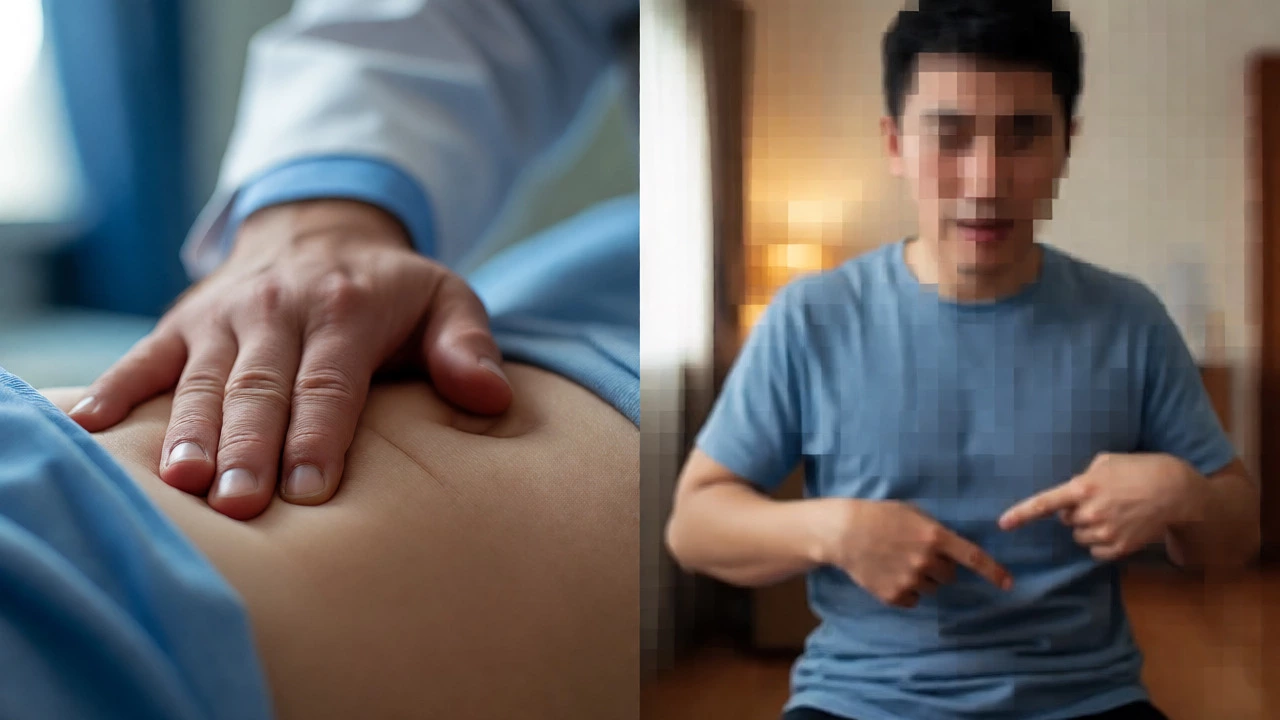
Consider abdominal pain. If you point to your lower right side and say it hurts, a virtual doctor might suspect appendicitis based on your description. But without pressing there (palpation) to check for rebound tenderness, they can’t be sure. They might miss a hernia or an enlarged liver. For anything involving acute, unexplained pain in the torso, going in person is safer.
Cardiovascular issues are another gray area. While a doctor can ask about chest pain, shortness of breath, and family history, they cannot perform an ECG (electrocardiogram) or listen for murmurs accurately over a standard laptop mic. If you have risk factors for heart disease, relying solely on video could lead to missed warnings. An ECG takes ten minutes at a local pathology lab; skipping it for convenience isn't worth the gamble.
Also, consider neurological exams. Dizziness, vertigo, or sudden weakness require tests like the Romberg test (standing with eyes closed) or checking pupil reaction. While some can be guided via video, subtle signs are easily missed. If you have a severe headache unlike any you’ve had before, don’t settle for a pixelated face on a screen. Go to the ER.
How Doctors Actually Diagnose Remotely
If they can’t touch you, how do they figure out what’s wrong? It’s all about structured questioning and leveraging data. A good virtual doctor acts like a detective, gathering clues from your environment and your words.
First, they rely on your history. They’ll ask detailed questions about onset, duration, severity, and associated symptoms. Because they lack physical cues, they need you to be precise. Saying "I feel bad" isn't helpful. Saying "I have a sharp pain under my ribs that started two hours ago after eating fatty food" gives them a starting point.
Second, they use visual aids. They might ask you to move your arm to check range of motion, walk across the room to observe your gait, or press on a swollen joint while looking at the camera. Some advanced setups even allow doctors to guide you through specific movements to isolate the source of pain.
Third, they integrate wearable tech. If you have an Apple Watch or Fitbit, you can share heart rate variability, sleep data, or oxygen saturation levels. For diabetes management, continuous glucose monitors (CGMs) provide real-time data streams that are far more valuable than a single finger-prick reading. This turns the patient into an active participant in their own diagnosis.
| Diagnostic Tool | Virtual Capability | In-Person Capability |
|---|---|---|
| Visual Inspection | High (if lighting/camera is good) | High |
| Auscultation (Listening) | Low (requires special peripherals) | High |
| Palpation (Touch) | None | High |
| Labs & Imaging | Results reviewed digitally | Ordered and performed on-site |
| Patient History | High | High |
The Role of Technology and Infrastructure
Your experience depends heavily on the platform used. Not all telehealth apps are created equal. Some are simple video links; others are integrated systems that pull your medical history from Medicare records automatically. In Australia, the introduction of MBS (Medicare Benefits Schedule) rebates for telehealth has pushed clinics to adopt better software.
Look for platforms that offer secure messaging, prescription integration, and referral tracking. If a doctor prescribes antibiotics during a video call, that script should land directly in your pharmacy app within seconds. If the system feels clunky or disconnects frequently, it’s a red flag. A poor connection can distort audio, making it hard to hear wheezing or stuttering, which compromises the diagnosis.
Also, consider the doctor’s qualifications. Just because they’re online doesn’t mean they’re less qualified. However, ensure they are registered with AHPRA (Australian Health Practitioner Regulation Agency). Legitimate virtual consultations are conducted by licensed GPs or specialists, not unregulated wellness coaches trying to sell supplements.

Legal and Privacy Considerations
You might wonder: is it safe? Yes, provided you use reputable services. In Australia, health data is protected under the Privacy Act 1988 and the My Health Records Act. Reputable telehealth providers use end-to-end encryption for video calls and store data on secure servers located domestically.
However, be wary of free apps that monetize your data. If a service doesn’t explicitly state its privacy policy or seems too good to be true, read the fine print. Your medical history is sensitive. You want a provider that treats your data with the same confidentiality as a brick-and-mortar clinic.
Another aspect is cross-border care. If you’re traveling overseas, can you still see your Australian GP? Sometimes, yes, for follow-ups. But for new diagnoses abroad, you might need to seek local care due to licensing and emergency response limitations. Always check with your insurer first.
Tips for Getting the Best Virtual Diagnosis
You play a huge role in the success of your appointment. Here’s how to prep so the doctor gets the best possible view.
- Lighting is key: Sit facing a window or a lamp. Backlighting makes you look like a silhouette, hiding skin color changes or swelling.
- Use headphones: This improves audio clarity for the doctor and keeps your conversation private.
- Have your meds ready: Keep your current medication bottles nearby. Reading names aloud prevents errors.
- Prepare your questions: Write them down beforehand. Nerves make us forget important details.
- Test your tech: Do a quick camera check five minutes before the call. Ensure your internet speed is stable.
If you’re showing a symptom, like a rash, take clear photos in natural light beforehand. Send them via the secure portal if allowed. Don’t rely solely on the live video feed, which can freeze or blur.
Final Thoughts: Trust Your Gut
Virtual diagnosis is a powerful supplement to traditional care, not a replacement. It saves time, reduces exposure to illness, and increases access for rural Australians. But it has limits. If something feels seriously wrong-crushing chest pain, difficulty breathing, sudden confusion, or severe trauma-skip the video call and head to the hospital.
For everyday issues, though, embrace the convenience. Start with a virtual consult. If the doctor says, "I need to examine you physically," then book an in-person slot. This hybrid approach saves money and stress while keeping you safe. Healthcare is evolving, and being smart about how you engage with it puts you in control of your own well-being.
Can a doctor prescribe medication after a virtual consultation?
Yes, in most cases. Australian doctors can issue electronic prescriptions (eScripts) after a virtual consult. These are sent directly to your chosen pharmacy. However, restrictions apply to certain controlled substances like opioids or benzodiazepines, which may require stricter oversight or in-person verification depending on state laws and clinical guidelines.
Is telehealth covered by Medicare in Australia?
As of late 2024 and continuing into 2026, many telehealth services remain eligible for Medicare benefits. This includes video and telephone consultations with GPs and specialists. Eligibility rules have evolved, particularly regarding whether you need to be known to the practice. Check the latest MBS updates or ask your provider, as policies can shift based on government health directives.
What happens if a virtual doctor misdiagnoses me?
Medical negligence standards apply to telehealth just as they do to in-person care. If a doctor fails to meet the standard of care-for example, by ignoring obvious red flags or failing to recommend an in-person exam when necessary-you may have grounds for a complaint. Document your symptoms and communications carefully. If outcomes are poor, seek a second opinion promptly.
Can I get a sick note from a virtual doctor?
Generally, yes. Most employers accept certificates issued after a telehealth consultation, provided the doctor has assessed your condition adequately. However, some workplaces may require an in-person certificate for extended absences or complex cases. Always check your employer’s HR policy before booking.
Do I need special equipment for a virtual visit?
No special medical equipment is required for most visits. A smartphone, tablet, or computer with a camera and microphone is sufficient. For specific conditions, your doctor might suggest a home blood pressure cuff or thermometer, but these are optional and can often be purchased at any pharmacy.