

Chronic Pain Treatment Guide
This interactive guide helps identify medications recommended for your specific type of chronic pain based on clinical guidelines. Select your pain type to see appropriate options and what to expect.
Nerve Pain
Sharp, burning, or shooting pain caused by nerve damage (e.g., diabetic neuropathy, postherpetic neuralgia)
Joint/Muscle Pain
Dull, aching pain from joints or muscles (e.g., chronic low back pain, arthritis)
Localized Pain
Pain limited to a specific area (e.g., post-surgical scars, shingles scars)
Mixed Pain
Combination of different pain types (e.g., neuropathic and musculoskeletal)
Severe chronic pain doesn’t just fade away with rest or over-the-counter pills. When pain sticks around for months-or years-it changes how your body and brain work. People living with this kind of pain often feel forgotten. They’ve tried everything: physical therapy, acupuncture, even nerve blocks. But when those don’t cut it, doctors turn to medications. Not just any meds. The ones that actually move the needle on pain levels without wrecking someone’s life.
What doctors actually prescribe for severe chronic pain
There’s no one-size-fits-all solution. What works for one person might do nothing-or cause harm-for another. But based on clinical guidelines from the American Academy of Pain Medicine and the Australian Pain Society, a few drug classes show up again and again in treatment plans for severe chronic pain.
First up: anticonvulsants. These aren’t just for seizures. Gabapentin and pregabalin are commonly used for nerve-related pain, like diabetic neuropathy or postherpetic neuralgia. They calm overactive nerves that send constant pain signals. Many patients report a 30-50% reduction in pain after a few weeks. But they don’t work for everyone. If your pain comes from a damaged joint or muscle, these won’t help much.
Then there are antidepressants. Yes, really. Amitriptyline and duloxetine are prescribed not because someone is depressed, but because they change how pain signals travel through the spinal cord. A 2023 study in the Journal of Pain Research found that duloxetine reduced pain scores by an average of 40% in patients with chronic low back pain over 12 weeks. It’s slow-takes 4 to 6 weeks to kick in-but it’s one of the few options that actually changes the nervous system’s response to pain.
For pain that’s sharp, burning, or shooting, doctors sometimes turn to topical lidocaine patches. These are applied directly to the skin over the painful area. No system-wide side effects. No risk of addiction. They’re especially useful for localized pain, like post-surgical scarring or shingles scars. You can use them alongside other meds without worrying about interactions.
The role of opioids-yes, they’re still used, but differently
Opioids like oxycodone, morphine, and fentanyl patches are still prescribed-but not like they used to be. In 2025, the Therapeutic Goods Administration (TGA) in Australia tightened rules even further. Opioids are no longer first-line. They’re reserved for:
- Pain from cancer or end-of-life care
- Severe trauma with permanent nerve damage
- Patients who’ve tried everything else and still can’t function
Even then, doctors start with the lowest possible dose. A 2024 audit of 12,000 chronic pain patients in Sydney found that only 8% were on long-term opioids-and most of those had cancer. The rest were on other meds or combinations. Why? Because the risks don’t match the rewards. Tolerance builds fast. Addiction is real. And overdose risk doesn’t disappear just because you’ve been taking it for years.
Some patients get stuck on opioids because they’re the only thing that worked. But switching isn’t easy. Doctors now use a structured tapering plan: reduce the dose by 10% every 2-4 weeks, while adding non-opioid alternatives. It’s not about cutting them off. It’s about replacing them.
Non-opioid alternatives that actually work
Here’s what’s gaining traction in 2026:
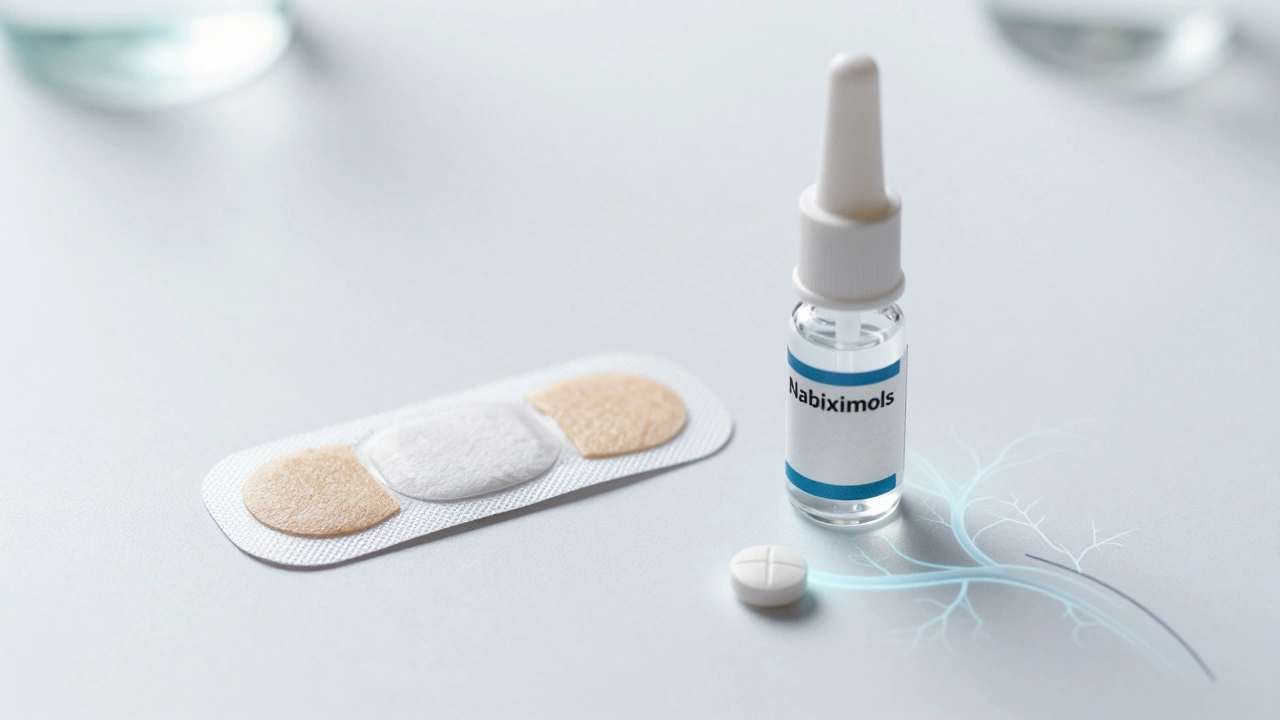
- Cannabinoids (like nabiximols, a mouth spray with THC and CBD): Approved in Australia for certain types of neuropathic pain. Not a cure, but reduces pain intensity by 25-30% in trials. Requires specialist approval.
- NSAIDs (like celecoxib): Still used, but only short-term. Long-term use raises heart and kidney risks. Not for people over 65 unless closely monitored.
- SNRIs (serotonin-norepinephrine reuptake inhibitors): Venlafaxine and milnacipran are used off-label. They’re more effective than SSRIs for pain relief.
- Calcium channel modulators: Like tapentadol, which combines opioid-like action with norepinephrine reuptake inhibition. It’s less addictive than traditional opioids and works for mixed pain types.
Many patients find success with combination therapy. Gabapentin + duloxetine + a topical patch. That’s three different mechanisms working together. It’s not magic-but it’s science.
What’s NOT prescribed-and why
Some things you might expect aren’t used anymore:
- Tramadol: Once popular, now restricted in Australia due to abuse potential and seizure risk at high doses.
- Codeine: No longer available over-the-counter. Even in prescription combos (like Panadeine Forte), it’s limited to 7 days unless under specialist supervision.
- Benzodiazepines (like diazepam): Not for pain. They might help with muscle spasms, but they don’t touch the pain signal itself. And they’re highly addictive.
Doctors avoid anything that doesn’t target the root of the pain. If it’s just masking symptoms without fixing the system, it’s not worth the risk.
Why personalized treatment matters
Pain isn’t just physical. It’s emotional. It’s sleep-deprived. It’s isolating. That’s why treatment plans now include more than pills.
Every successful chronic pain program includes:
- Physical therapy tailored to your movement limits
- Cognitive behavioral therapy (CBT) to break the cycle of pain-fear-avoidance
- Regular check-ins with a pain specialist-not just a GP
- Monitoring for side effects and drug interactions
A 2025 report from the Royal Australian College of Physicians showed that patients on multidisciplinary plans (meds + therapy + lifestyle) were 60% more likely to reduce their pain medication over 12 months than those on meds alone.

What to do if your current meds aren’t working
If you’ve been on the same pain meds for over 6 months and they’re not helping:
- Ask for a referral to a pain clinic. GPs can’t manage complex cases alone.
- Request a medication review. Your body changes. Your needs change.
- Track your pain daily. Use a simple scale (1-10) and note triggers. Bring it to your appointment.
- Don’t stop meds cold turkey. Tapering must be supervised.
There’s no shame in needing help. Chronic pain is a medical condition-not a personal failure. The right combination of treatments can bring back control. Not always complete relief-but enough to sleep, move, and live again.
What’s the most commonly prescribed drug for severe chronic pain in Australia?
There’s no single most common drug, but gabapentin and duloxetine are prescribed more than any others for non-cancer chronic pain. Gabapentin works well for nerve pain, while duloxetine helps with both pain and mood. Opioids are rarely first-line anymore due to risks.
Can I get addicted to pain meds even if I take them as prescribed?
Yes, especially with opioids and tramadol. Addiction isn’t about willpower-it’s about brain chemistry. Even people who take meds exactly as directed can develop dependence. That’s why doctors now avoid opioids unless absolutely necessary and monitor all patients closely.
Are there natural alternatives to prescription pain meds?
Some people find relief with acupuncture, mindfulness, or physical therapy, but these rarely replace meds for severe pain. They work best as part of a broader plan. Cannabis-based medicines like nabiximols are approved in Australia for specific cases, but aren’t available over the counter.
How long does it take for chronic pain meds to start working?
It varies. Topical creams can work in hours. Antidepressants like duloxetine take 4-6 weeks. Gabapentin may show effects in 1-2 weeks. Opioids give quick relief but aren’t meant for long-term use. Patience and consistency matter more than speed.
What should I do if my doctor won’t prescribe stronger meds?
Ask for a referral to a pain specialist. GPs follow national guidelines to avoid overprescribing. A specialist can explore advanced options like nerve blocks, spinal cord stimulators, or combination therapies that aren’t available through general practice.
Final thought: Pain is treatable-but not always with one pill
Severe chronic pain isn’t a mystery. We know how to manage it. The problem isn’t the science. It’s the system. Too many people fall through the cracks because pain isn’t visible. But treatments exist. And they’re better than they were five years ago. The goal isn’t to erase pain completely-it’s to give you back your life.