UK Cosmetic Procedure Estimator & Demographic Analyzer
Procedure Details
Enter your details to see cost estimates and demographic insights.
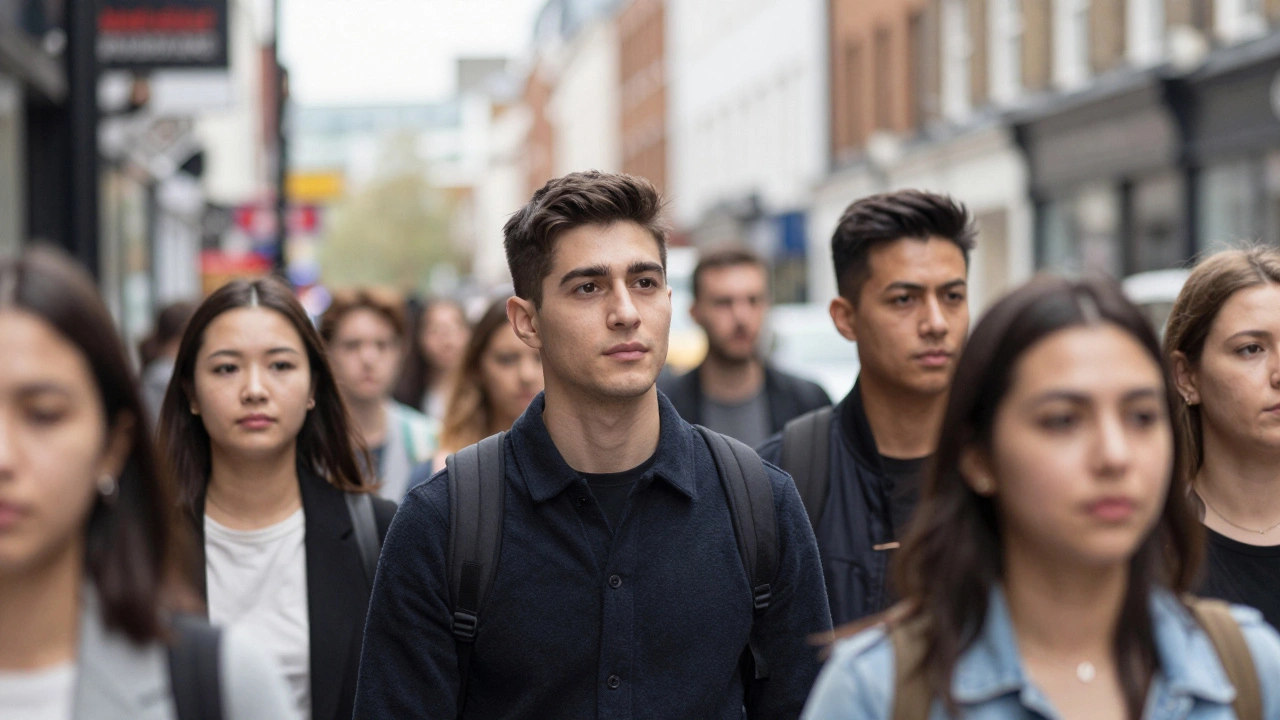
Walk down any high street in London, Manchester, or even smaller towns across the UK, and you’ll notice a shift. The subtle changes in faces-smoother skin, lifted brows, defined jaws-are no longer secrets kept behind closed doors. They are part of everyday life. But who is actually getting these procedures? Is it just the wealthy elite, or has cosmetic surgery become a mainstream habit for the average person?
The answer might surprise you. It’s not just about vanity anymore. In 2026, the data shows that cosmetic surgery in the UK is driven by a complex mix of age groups, genders, and socioeconomic factors. While Hollywood stars still grab headlines, the real volume comes from regular people seeking confidence, correction, or career advantages. Let’s break down exactly who is booking these appointments and why.
The Gender Gap: Women Still Lead, But Men Are Catching Up Fast
If you look at the raw numbers, women have historically dominated the cosmetic surgery scene. According to recent reports from the British Association of Aesthetic Plastic Surgeons (BAAPS), women account for roughly 70% of all surgical and non-surgical aesthetic treatments in the UK. This isn’t new, but the *type* of procedures they choose has evolved significantly over the last decade.
Women are increasingly opting for minimally invasive treatments. Botox and dermal fillers remain the top choices because they offer quick results with minimal downtime. Think about your busy office worker who can’t afford a week off work for recovery. She wants smoother forehead lines before her next big presentation. Non-surgical options fit that lifestyle perfectly.
However, men are closing the gap. Male patients now make up nearly 30% of the market, a significant jump from just a few years ago. The stigma around “vanity” has faded. Instead, men often frame their decisions around “maintenance” or “correction.” Common requests include hair transplants, rhinoplasty (nose jobs) for breathing issues or past injuries, and liposuction for stubborn belly fat that diet and gym sessions won’t touch. The term “brotox” isn’t just a joke anymore; it’s a growing segment of the industry.
| Procedure Type | Primary Patient Group | Common Motivation |
|---|---|---|
| Botox & Fillers | Women (85%) | Anti-aging, wrinkle reduction |
| Hair Transplants | Men (90%) | Restoring hairline, confidence |
| Rhinoplasty | Split (55% Women / 45% Men) | Aesthetics + Breathing function |
| Liposuction | Split (60% Women / 40% Men) | Body contouring post-weight loss |
| Breast Augmentation | Women (95%) | Size increase, symmetry |
Age Groups: Who Is Getting Started Earlier?
For decades, cosmetic surgery was associated with older demographics-people trying to turn back the clock after retirement. That trend is shifting dramatically. Today, the most active age group for non-surgical treatments is between 25 and 34. Yes, millennials and Gen Z are leading the charge.
Why so young? Social media plays a huge role. Platforms like Instagram and TikTok have normalized aesthetic enhancements. Younger patients often seek “preventative” treatments. For example, a 25-year-old might get Botox not because they have deep wrinkles, but to prevent them from forming in the first place. This concept, known as “prejuvenation,” is gaining traction among professionals who want to maintain a youthful appearance in competitive job markets.
That said, surgical procedures still skew older. Patients aged 45 to 64 are more likely to undergo major surgeries like facelifts, tummy tucks, or breast reductions. These individuals often have more financial stability and may be looking to refresh their look after raising children or experiencing significant weight changes. The key takeaway? Younger people prefer quick fixes; older patients invest in comprehensive transformations.
Socioeconomic Factors: Is It Just for the Rich?
Cosmetic surgery is expensive. In the UK, a rhinoplasty can cost anywhere from £4,000 to £8,000, while a full facelift can exceed £10,000. Naturally, this limits access to those with disposable income. However, the rise of financing plans has changed the game. Many clinics now offer monthly payment options, making procedures accessible to middle-income earners.
Interestingly, there’s a correlation between education levels and cosmetic surgery uptake. Studies suggest that individuals with higher education levels are more likely to pursue aesthetic treatments. This isn’t necessarily about wealth alone; it’s also about awareness and confidence in navigating the healthcare system. People who understand the risks and benefits are more comfortable booking consultations.
Geography matters too. Urban centers like London, Edinburgh, and Manchester see the highest volume of procedures. Why? Concentration of qualified surgeons, greater cultural acceptance, and anonymity. In smaller towns, people might worry about being recognized at the local grocery store post-surgery. In cities, you’re just another face in the crowd.

The Rise of Non-Surgical Treatments
If we define “cosmetic surgery” broadly to include non-surgical aesthetics, the demographic picture changes drastically. Non-surgical treatments are far more popular than traditional surgery. In fact, for every one surgical procedure performed in the UK, there are approximately five non-surgical treatments.
This shift is driven by convenience and safety. You don’t need general anesthesia. There’s no hospital stay. You can walk out of the clinic and go straight to lunch. This appeals to working parents, students, and professionals alike. Dermal fillers, laser skin resurfacing, and chemical peels are now considered routine maintenance, similar to dental cleanings or haircuts.
One concerning trend, however, is the rise of unqualified practitioners offering these services. Beauty salons, nail bars, and even home-based providers sometimes administer Botox or fillers without proper medical training. This puts patients at risk of severe complications, including blindness or tissue necrosis. Always check if your provider is registered with the General Medical Council (GMC) or a recognized aesthetic body like BAAPS or ISAPS.
Psychological Drivers: Why Do People Really Get Surgery?
It’s easy to dismiss cosmetic surgery as superficial, but the motivations are often deeply psychological. Research indicates that many patients seek treatment to improve self-esteem, reduce anxiety, or address specific insecurities that affect their daily lives.
For instance, someone with a prominent nose might feel self-conscious in social situations, avoiding eye contact or speaking up in meetings. After rhinoplasty, they report feeling more confident and engaged. Similarly, breast reduction surgery can alleviate physical pain from back and neck strain, improving quality of life beyond just aesthetics.
However, it’s crucial to distinguish between healthy motivations and Body Dysmorphic Disorder (BDD). Patients with BDD obsess over perceived flaws that others don’t see. Surgery rarely satisfies them, leading to repeated procedures and dissatisfaction. Reputable surgeons screen for BDD during consultations to ensure patients have realistic expectations.

NHS vs Private: Who Gets What?
In the UK, the National Health Service (NHS) does cover some cosmetic procedures, but only under strict criteria. If a condition causes significant physical discomfort or psychological distress, it may be deemed medically necessary. Examples include:
- Breast Reduction: Covered if large breasts cause chronic back pain or skin irritation.
- Rhinoplasty: Covered if there’s a deviated septum affecting breathing.
- Ear Pinning (Otoplasty): Sometimes covered for children suffering severe bullying due to protruding ears.
Most purely aesthetic procedures-like liposuction, breast augmentation, or Botox-are not covered by the NHS. Patients must pay privately. This creates a two-tier system where those who can afford it access enhancements faster, while others wait years for functional corrections. Understanding this distinction helps clarify why certain demographics appear more frequently in private clinic waiting rooms.
Regional Differences Across the UK
Not all parts of the UK follow the same trends. London remains the epicenter of cosmetic surgery, hosting the highest number of accredited clinics. Scotland, particularly Edinburgh, also sees high demand, partly due to a strong culture of private healthcare. Wales and Northern Ireland have fewer options, meaning residents often travel to England for complex surgeries.
Cost of living influences regional patterns too. In areas with higher wages, discretionary spending on aesthetics is more common. Conversely, in regions facing economic hardship, cosmetic surgery takes a backseat to essential expenses. Yet, even in lower-income areas, non-surgical treatments remain popular due to their relatively lower upfront cost.
Is cosmetic surgery safe for everyone?
No. Safety depends on individual health factors, age, and the type of procedure. People with certain medical conditions, such as diabetes or heart disease, may face higher risks. Always consult a qualified surgeon who reviews your full medical history before recommending treatment.
How much does cosmetic surgery cost in the UK?
Costs vary widely. Non-surgical treatments like Botox start around £200 per session. Surgical procedures range from £2,000 for minor liposuction to over £10,000 for complex body lifts. Financing options are available through many private clinics.
Can I get cosmetic surgery on the NHS?
Only if it’s medically necessary. The NHS covers procedures that correct functional issues (like breathing problems) or alleviate severe physical pain. Purely aesthetic enhancements are not funded by the NHS.
What are the risks of non-surgical treatments?
While generally safer than surgery, non-surgical treatments carry risks like bruising, swelling, infection, or rare complications like vascular occlusion (blocked blood vessels). Choosing a certified medical professional minimizes these risks significantly.
Why are younger people getting cosmetic treatments?
Social media influence, preventative care trends, and increased accessibility drive younger demographics toward treatments. Many use Botox and fillers to maintain a youthful appearance early, rather than reversing aging later.