
Surgery Difficulty & Cost Estimator
Configure Scenario
Source: Article Data 2026 Estimates. Disclaimer: This is for informational purposes only. Consult a medical professional.
Procedure Name
Difficulty LevelDescription goes here.
Key Metrics
- Avg. Duration --
- Social Recovery --
-
Pain Level (1-10) --
-
Anesthesia Type
--
Estimated Private Cost
Surgeon experience, geographic location (e.g., London vs Regional), facility fees, and anesthesia type.
Ready to Compare?
Select a procedure and location to see detailed breakdown of recovery times, pain levels, and estimated costs.
Have you ever looked at a list of medical procedures and wondered which one would be the absolute least hassle to get through? It’s a common thought. We all want the fix without the fuss. But here is the hard truth: there is no such thing as a "zero-effort" surgery. Even the simplest cut requires healing. However, some procedures are significantly easier than others in terms of preparation, pain during recovery, and how quickly you can get back to your normal life.
When people ask for the "easiest" surgery, they usually mean one that doesn’t require a hospital stay, has minimal pain afterward, and lets them return to work within days. In the world of private surgery, this often points toward minor, outpatient procedures. These are surgeries where you go home the same day. Understanding what makes a surgery "easy" involves looking at anesthesia type, incision size, and recovery speed. Let’s break down the contenders for the title of easiest surgery and what they actually cost in today’s market.
The Contenders for Easiest Surgery
If we define "easy" by short duration, local or light sedation, and rapid recovery, a few procedures stand out. These are typically cosmetic or minor corrective surgeries. They are popular because they offer high rewards with relatively low downtime.
- Blepharoplasty (Eyelid Surgery): This is often cited as one of the easiest facial surgeries. It involves removing excess skin or fat from the eyelids. Most patients wake up with just some puffiness and bruising. You can usually read or watch TV within 24 hours. Full social recovery takes about 10-14 days.
- Otoplasty (Ear Pinning): Common in children but also done on adults, this corrects protruding ears. It’s done under general or local anesthesia. The pain is mild, and while you need to sleep with a head bandage for a week, most people return to non-strenuous activities almost immediately.
- Minor Skin Lesion Removal: Removing moles, cysts, or small skin cancers is technically a surgery. It’s quick, often done under local numbing injection, and leaves a tiny scar. Recovery is measured in days, not weeks.
- Cataract Surgery: While it involves the eye, modern cataract surgery is incredibly fast (often under 15 minutes per eye). There is virtually no pain, and vision improves almost instantly. Many patients drive themselves home after a check-up.
Among these, Blepharoplasty and Cataract Surgery are frequently ranked as the "easiest" due to the lack of significant post-operative pain and the ability to resume daily tasks very quickly.
What Makes a Surgery "Easy"?
To understand why some surgeries feel easier than others, we need to look at three key factors. These factors determine your experience more than the name of the procedure itself.
1. Type of Anesthesia
Surgeries performed under local anesthesia or twilight sedation (conscious sedation) are generally easier to recover from than those requiring general anesthesia. With general anesthesia, your whole body goes to sleep, which can lead to grogginess, nausea, and sore throat for a day or two. Local anesthesia only numbs the specific area, so you avoid those systemic side effects entirely.
2. Incision Size and Location
Smaller incisions mean less tissue trauma. Procedures like Laser Eye Surgery (LASIK) have no incisions in the traditional sense-they reshape the cornea with a laser. This results in almost immediate recovery. In contrast, an abdominal surgery, even if minimally invasive, involves internal manipulation that causes more discomfort.
3. Post-Operative Care Requirements
An "easy" surgery is one where you don’t have to do much. If you need to change dressings, take strong painkillers, or limit movement for weeks, it’s not easy. The easiest surgeries require minimal aftercare-perhaps just keeping the area clean and avoiding heavy lifting for a few days.
| Procedure | Anesthesia Type | Avg. Duration | Recovery Time (Social) | Pain Level (1-10) |
|---|---|---|---|---|
| Blepharoplasty | Local/Twilight | 1-2 hours | 10-14 days | 2-3 |
| Cataract Surgery | Local Drops | 15-30 mins | 1-3 days | 1 |
| Otoplasty | General/Local | 1 hour | 7-10 days | 3-4 |
| Mole Removal | Local | 15-30 mins | 3-7 days | 1-2 |
Private Surgery Costs in the UK and Australia
Since you’re asking about the easiest surgery, you might also be wondering about the price tag. Private healthcare allows you to choose your surgeon and schedule, but costs vary wildly depending on location and complexity. Here is a realistic look at prices for 2026.
In the United Kingdom, private surgery costs are influenced by the consultant’s fee, theater fees, and anesthesia fees. For example, a private blepharoplasty in London might cost between £3,000 and £5,000. In regional areas, it could be closer to £2,500. Cataract surgery, if not covered by the NHS due to specific criteria, can range from £1,500 to £3,000 per eye.
Down here in Sydney, Australia, the costs are often higher due to different overheads. A private eyelid surgery might set you back AUD $4,500 to $7,000. However, Australian private health insurance sometimes covers part of the cost if there’s a functional reason (like impaired vision) rather than purely cosmetic ones. Always check your policy’s excess and waiting periods.
It’s crucial to remember that "cheapest" isn’t always "easiest." A lower-cost provider might use older techniques or less experienced staff, leading to complications that make recovery harder. When paying for private care, you’re buying expertise and safety as much as convenience.

Risks: Even Easy Surgeries Have Them
No surgery is risk-free. Even the "easiest" ones carry potential complications. It’s vital to have realistic expectations. Common risks across minor surgeries include:
- Infection: Any break in the skin can introduce bacteria. Proper hygiene and antibiotic ointments mitigate this.
- Bleeding/Hematoma: Small collections of blood under the skin can occur, especially in eyelid or ear surgeries.
- Scarring: Even tiny incisions leave scars. Good surgeons place incisions in natural creases to hide them.
- Anesthesia Reaction: Rare, but possible. This is why pre-op screening is essential.
Choosing a board-certified plastic surgeon or oculoplastic specialist reduces these risks significantly. Don’t skip the consultation to discuss your medical history. If you have high blood pressure or diabetes, even minor surgery becomes more complex.
How to Prepare for a Smooth Recovery
If you decide to go ahead with one of these "easy" surgeries, preparation is half the battle. Here’s how to ensure your recovery is as smooth as possible:
- Stop Smoking: Nicotine constricts blood vessels and slows healing. Stop at least 2-4 weeks before surgery.
- Review Medications: Ask your doctor about stopping aspirin, ibuprofen, or supplements like fish oil, which can increase bleeding.
- Arrange Support: Even for outpatient surgery, you’ll need someone to drive you home and stay with you for the first night if you had sedation.
- Stock Up: Have ice packs, prescribed medications, and easy-to-eat foods ready before the day of surgery.
- Plan Rest: Give yourself at least 3-5 days off work, even if you feel fine. Your body needs energy to heal.
Alternatives to Surgery
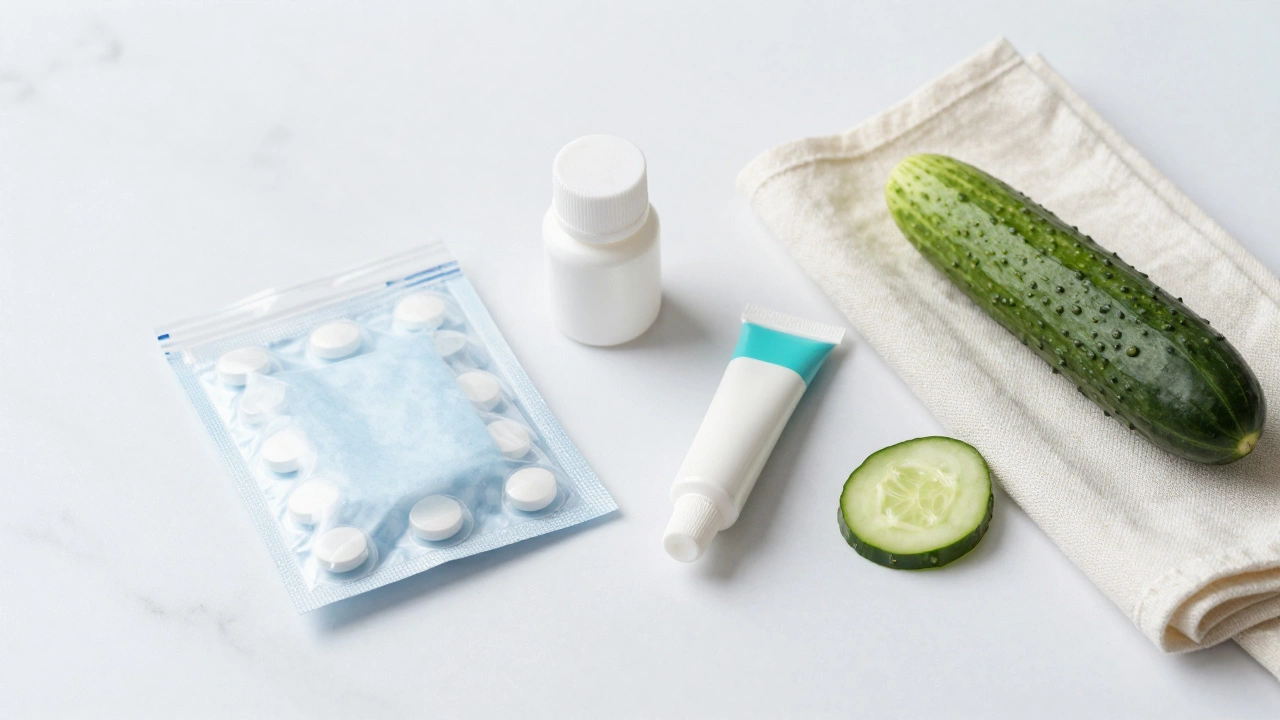
Before committing to any knife, consider non-surgical options. Technology has advanced rapidly. For instance, instead of blepharoplasty, some people opt for Filler Treatments or Botox to address under-eye bags or crow’s feet. These have zero downtime and reversible results. For skin lesions, cryotherapy (freezing) or laser ablation might be alternatives to excision. Discuss these with your doctor to see if they fit your goals.
Frequently Asked Questions
Is cataract surgery really painless?
Yes, cataract surgery is typically described as painless. You receive numbing drops in your eye, so you feel no pain during the procedure. Afterward, you might experience some grittiness or mild irritation for a day or two, but severe pain is rare. Most patients report feeling better within 24 hours.
How much does private eyelid surgery cost in the UK?
In the UK, private upper and lower blepharoplasty typically ranges from £3,000 to £5,500. This usually includes the surgeon’s fee, anesthesia, and facility costs. Prices in London tend to be higher than in other regions. Always confirm if the quote is all-inclusive to avoid hidden fees.
Can I drive myself home after minor surgery?
If you have local anesthesia only (no sedation), you might be able to drive, but many surgeons advise against it due to stress or blurred vision (especially for eye surgeries). If you receive twilight sedation or general anesthesia, you absolutely cannot drive. You must arrange for a friend or family member to take you home.
Does health insurance cover cosmetic surgeries?
Generally, no. Most private health insurance policies exclude purely cosmetic procedures like eyelid lifts or ear pinning. However, if the surgery is medically necessary-for example, if sagging eyelids block your vision-insurance may cover part of the cost. Check your policy’s definition of "medically necessary" and consult your insurer before booking.
What is the fastest recovering surgery?
Laser eye surgery (LASIK) and cataract surgery have the fastest recovery times, often allowing patients to return to normal activities within 24-48 hours. Minor skin lesion removal is also very quick, with most people resuming work within a few days. These procedures involve minimal tissue disruption and little to no pain.