Private Surgery Cost & Recovery Estimator
Select a procedure to view estimated costs (AUD) and recovery timelines based on current market trends.
Procedure Details
Please select a specific surgery to see details.
Walk into any major hospital in Sydney or London, and you’ll see the same faces in the waiting rooms. They aren’t there for emergency trauma; they’re there because their knees hurt when they climb stairs, or they’ve finally saved enough to fix that nose they’ve disliked since high school. The demand for private surgery is shifting. It’s no longer just about fixing what’s broken; it’s about optimizing how we look and move.
You might be wondering which procedure tops the list right now. Is it the knee replacement everyone talks about? Or is it a tummy tuck? The answer depends on whether you are looking at raw volume or financial impact. But if we strip away the noise, three categories dominate the landscape: orthopedics, cosmetic enhancements, and vision correction. Let’s break down why these specific surgeries are winning the popularity contest and what that means for your wallet.
The Orthopedic Boom: Why Knees and Hips Are Leading
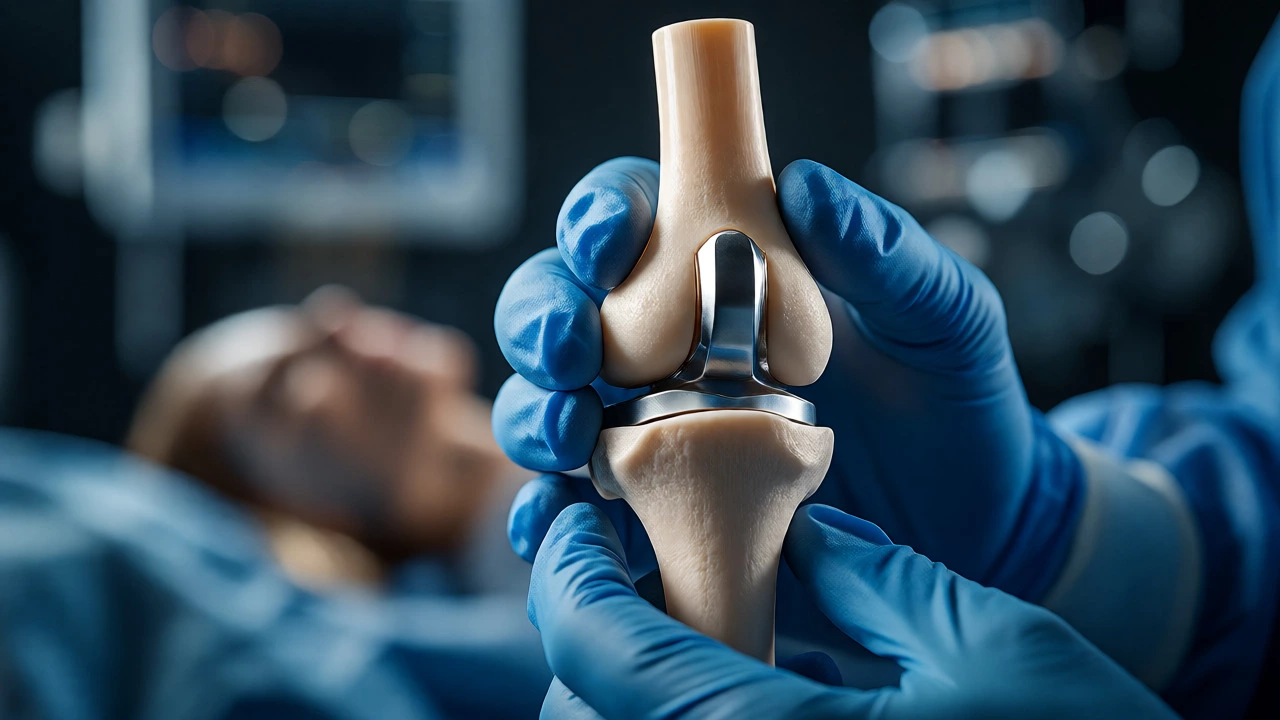
If you count sheer numbers of operations performed, orthopedic surgery takes the crown. Specifically, joint replacements are everywhere. Why? Because our population is aging, but unlike previous generations, older adults today want to stay active. They don’t want to sit on the porch; they want to hike, play golf, and dance.
A total knee replacement isn’t just a medical necessity anymore; it’s an investment in lifestyle. In Australia and the UK, the waitlists for public health systems can stretch from six months to over a year. For someone whose quality of life is plummeting due to pain, paying out-of-pocket for a private procedure becomes a rational choice. The technology has also improved dramatically. Modern implants last longer, and recovery times have shrunk thanks to minimally invasive techniques.
- Total Knee Replacement: The undisputed king of orthopedic volume. High demand driven by osteoarthritis rates rising with obesity and age.
- Hip Resurfacing: Popular among younger, active patients who want to maintain higher activity levels than traditional hip replacements allow.
- Spinal Decompression: With desk jobs dominating the workforce, back pain is epidemic. Minimally invasive spine surgeries are seeing a surge as people seek relief without long hospital stays.
It’s not just about pain relief. Insurance companies and private funds often cover these procedures partially, making them more accessible. If you’re considering this route, remember that the cost varies wildly based on the implant brand and the surgeon’s experience. A generic titanium implant might save you $2,000, but does it offer the same longevity as a premium ceramic-on-ceramic option? That’s a question worth asking before signing the consent form.
Cosmetic Surgery: The Visual Economy
While orthopedics wins on volume, cosmetic surgery dominates the conversation and often the revenue stream. Social media has changed the game here. We are constantly exposed to curated images, creating a new baseline for "normal." This has fueled a massive spike in demand for procedures that enhance appearance rather than fix function.
Breast augmentation remains a staple, but the trend is shifting toward natural-looking results. Large, obvious implants are out; subtle enhancements are in. Rhinoplasty (nose jobs) consistently ranks in the top five globally. It’s interesting to note that rhinoplasty is one of the most complex surgeries to perform well. A bad knee replacement is noticeable in movement; a bad nose job is visible every time you smile.
| Procedure | Primary Driver | Avg. Recovery Time | Cost Range (AUD) |
|---|---|---|---|
| Rhinoplasty | Aesthetic balance, breathing issues | 1-2 weeks social downtime | $8,000 - $15,000 |
| Breast Augmentation | Body contour confidence | 4-6 weeks full activity | $9,000 - $14,000 |
| Liposuction | Stubborn fat pockets | 1 week office work | $6,000 - $12,000 |
| Facelift | Aging signs, jowls | 2-3 weeks social downtime | $12,000 - $20,000+ |
One thing people often overlook is the revision rate. Cosmetic surgery has a higher likelihood of requiring follow-up procedures compared to functional surgeries like cataract removal. If you’re budgeting for a nose job, set aside 15% of the total cost for potential touch-ups. Surgeons rarely advertise this upfront, but it’s a reality of the industry.
Vision Correction: The Silent Giant
You might not think of LASIK or cataract surgery as "major" surgery, but in terms of frequency and patient satisfaction, they are huge players. Cataract surgery is arguably the most successful surgical procedure in history. Millions of eyes are operated on annually worldwide. As baby boomers age, the demand for clear vision skyrockets.
Unlike orthopedics or cosmetic surgery, vision correction offers immediate gratification. You go in blurry, you come out seeing colors for the first time in years. This instant reward loop drives high demand. Furthermore, refractive surgeries like SMILE or PRK are increasingly popular among younger demographics who are tired of glasses and contacts. The convenience factor alone sells thousands of procedures a day.
In the private sector, the push for premium intraocular lenses (IOLs) during cataract surgery is notable. Patients are willing to pay extra for lenses that correct both near and far vision, reducing dependence on reading glasses. This upsell has become a significant part of ophthalmology practice revenue.

Why Private Healthcare Is Winning
So, why choose private over public? Speed and control. In countries with universal healthcare like Australia and the UK, the public system is excellent for emergencies but slow for elective procedures. If you break your leg, you’re treated immediately. If your meniscus tears and you need arthroscopic surgery, you might wait eight months in the public queue.
Paying privately buys you two things: certainty and choice. You pick your surgeon. You pick the date. You know exactly what it will cost before you walk into the theatre. This transparency is valuable. Many clinics now offer fixed-price packages that include the surgeon’s fee, anaesthetist, hospital bed days, and aftercare. Beware of hidden extras, though. Always ask for an all-inclusive quote.
There’s also the psychological aspect. Choosing a specialist because you researched their credentials and read reviews gives you peace of mind. In the public system, you take who you get. In the private system, you build a relationship with your care team. For many, this sense of agency is worth the price tag.
How to Evaluate Your Options
Don’t just chase the trend. Just because knee replacements are popular doesn’t mean you need one. Here is a quick checklist to help you decide if a high-demand surgery is right for you:
- Consult Multiple Specialists: Get at least two opinions. If one surgeon says you need a hip replacement and another suggests physiotherapy, listen to the second one first.
- Check Accreditation: Ensure your surgeon is registered with the relevant medical board (e.g., Medical Board of Australia or GMC in the UK). Look for fellowship qualifications in their specialty.
- Understand the Total Cost: Ask specifically about excess fees. Will the anaesthetist charge extra? What about pathology tests? Get everything in writing.
- Assess Recovery Impact: Can you afford to take four weeks off work? Do you have support at home? The surgery itself is easy; the recovery is hard.
Remember, the most in-demand surgery isn’t necessarily the best one for your body. It’s just the one that affects the most people. Your individual anatomy, lifestyle, and goals matter more than market trends.
Is cosmetic surgery cheaper in other countries?
Often, yes. Countries like Turkey, Thailand, and Mexico offer significantly lower prices for procedures like hair transplants and facelifts. However, you must factor in travel costs, accommodation, and the risk of complications occurring while you are abroad. Follow-up care can be difficult if you return home before healing is complete.
Does private insurance cover all popular surgeries?
Not always. Most policies cover medically necessary procedures like joint replacements and cataracts. Cosmetic surgeries are typically excluded unless they are reconstructive (e.g., after cancer or accident). Always check your policy's exclusions list regarding pre-existing conditions and waiting periods.
What is the biggest risk of choosing a low-cost private clinic?
The main risk is compromised safety standards or inexperienced surgeons trying to cut corners. Low-cost clinics may use less experienced anaesthetists or limit post-op monitoring. Verify the clinic's accreditation status and read independent reviews focusing on complication handling.
How long do modern joint implants last?
Current data suggests that 90% of modern knee and hip implants last at least 15 years. Some newer materials show promise for lasting 20+ years. However, heavy physical activity can wear them down faster. Discuss your activity level with your surgeon to choose the right implant type.
Are there non-surgical alternatives for popular procedures?
Yes. For cosmetic concerns, injectables like Botox and fillers offer temporary results without surgery. For joint pain, physical therapy, weight loss, and injections like cortisone or hyaluronic acid can delay or prevent the need for surgery. These options are less invasive but usually require ongoing maintenance.