UK Dental Cost & Pathway Estimator
Fill out the form and click "Find My Best Option" to see personalized recommendations.
Waking up with a throbbing jaw and seeing black spots spreading across your molars is terrifying. But the fear of the pain often gets overshadowed by a more paralyzing dread: the cost. In the UK, private dental work can run into thousands of pounds, leaving many people stuck in a painful limbo where their teeth are rotting, but their bank account says "no." If you are asking what to do if your teeth are rotting and you cannot afford to fix it, you are not alone, and you are not out of options. The system is broken for some, yes, but there are specific pathways, legal rights, and financial hacks that can get you treatment when you have little to no money.
The first thing to understand is that NHS Dentistry is still the backbone of affordable care in the UK. It is categorized into three bands, which dictates what you pay and what they will actually do. Band 1 (around £26.80 in England as of recent updates) covers exams and hygiene. Band 2 (£73.50) covers fillings and extractions. Band 3 (£319.10) covers crowns and dentures. Crucially, if your teeth are rotting, you likely need Band 2 or 3 work. The catch? Finding an NHS dentist who accepts new patients is harder than finding a parking spot in London during rush hour. However, knowing how to navigate this scarcity is step one.
Locating Available NHS Dental Practices
You might think all local dentists are full. Often, they are just not advertising vacancies widely. The most effective way to find an NHS dentist is to call practices directly rather than relying solely on online booking systems, which frequently show "full" even when they have capacity. Ask specifically: "Are you accepting new NHS patients?" If they say no, ask to be put on their waiting list. This is a passive strategy, though. For active decay, you need speed.
Use the NHS website's "Find a dentist" service, but filter for those who explicitly state they accept urgent cases. Also, look for community dental services. These are specialized units often attached to hospitals or health centers that cater to vulnerable groups, including those with complex needs or financial hardship. They may have different availability criteria than high-street private practices.
Emergency Options: A&E and Urgent Care
If the pain is unbearable, swelling is present, or you have a fever, you might be tempted to go to Accident & Emergency (A&E). Here is the hard truth: A&E staff generally do not perform dental repairs. They treat life-threatening infections. If you go to A&E with a rotten tooth, you will likely receive antibiotics and strong painkillers, but you will be discharged without the tooth being fixed. This buys you time-usually a few days-but it does not solve the rot.
A better alternative is an Urgent Dental Care Centre (UDCC). These facilities are designed specifically for dental emergencies outside normal hours or for those who cannot access routine care. They operate under NHS regulations, meaning the costs are capped at standard NHS rates. You can find these via the NHS 111 service. Calling 111 is free and they can direct you to the nearest UDCC that has capacity today. This is often faster than waiting weeks for a routine appointment.
Financial Lifelines: Payment Plans and Insurance
If you cannot pay the full NHS band fee upfront, or if you need private work because NHS options are exhausted, look at financing. Many private practices offer interest-free payment plans spread over 6 to 12 months. This turns a £2,000 bill into manageable monthly chunks. Always read the fine print regarding interest after the promotional period ends.
Another angle is dental insurance. While it seems counterintuitive to buy insurance when you already have a problem, some policies cover existing conditions after a waiting period (often 6-12 months). Check for "moratorium" underwriting, which allows claims for pre-existing issues if you haven't had them treated recently. Alternatively, consider cash-back plans like Denplan or similar subscription models. These aren't traditional insurance; they are membership schemes that spread the cost of routine care and sometimes major work over monthly payments, making expensive treatments accessible on a tighter budget.

Charitable and Low-Cost Clinics
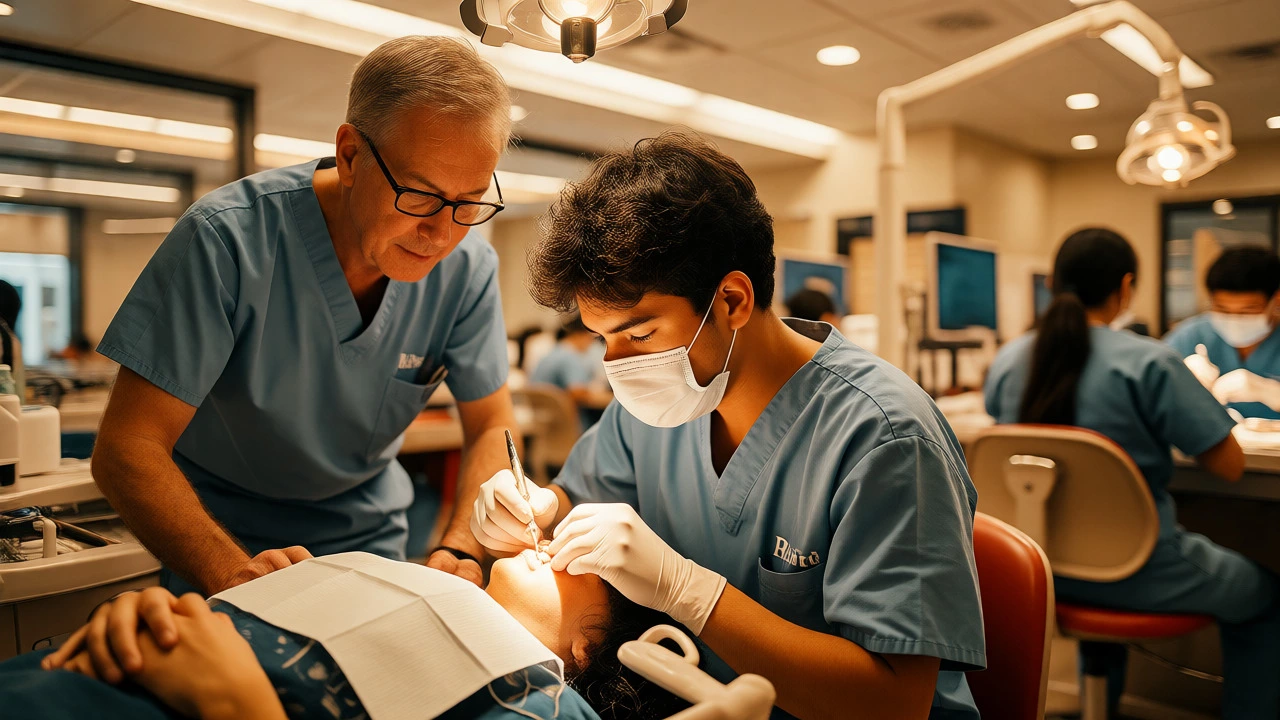
There is a network of charitable organizations dedicated to helping those who fall through the NHS cracks. Organizations like the Dental Health Foundation or local university dental schools often provide reduced-cost or free care. University dental schools are particularly valuable. Students need practice, so they perform procedures at a fraction of the market rate. The trade-off is time; appointments take longer because students are supervised. However, for a filling or extraction, the cost savings can be 50% or more compared to private fees.
Check for local food banks or community hubs that partner with mobile dental vans. Some charities run pop-up clinics in deprived areas offering free extractions and basic advice. These resources are not always advertised broadly, so contacting local council health departments or community centers can reveal hidden gems.
Managing Pain and Decay at Home
While you wait for treatment, you must stop the rot from getting worse. Sugar is fuel for bacteria. Cut out sugary drinks and snacks immediately. Brush twice daily with fluoride toothpaste (at least 1450ppm fluoride). Fluoride strengthens enamel and slows decay progression. Use interdental brushes or floss daily; decay often starts between teeth where brushing misses.
For pain management, alternate paracetamol and ibuprofen (if you can take anti-inflammatories). Do not exceed the recommended doses. Avoid placing aspirin directly on the gum, as it causes chemical burns. Clove oil contains eugenol, a natural anesthetic. Dab a tiny amount on the affected area with a cotton bud for temporary relief. Keep your head elevated when sleeping to reduce pressure buildup in the jaw, which exacerbates throbbing pain.
When Extraction is the Only Option
Sometimes, saving a tooth is too expensive. A root canal and crown can cost significantly more than an extraction. If you are on a strict budget, discuss extraction early. An NHS extraction falls under Band 2 (£73.50), whereas saving the tooth might push you into Band 3 (£319.10) or require private endodontic work costing hundreds more. Extracting a hopeless tooth prevents infection from spreading to other teeth or the bloodstream, which could lead to hospitalization-a far more costly event.
| Treatment Type | NHS Cost (Band) | Private Cost Estimate | University Student Clinic |
|---|---|---|---|
| Extraction (Simple) | £73.50 (Band 2) | £150 - £300 | £40 - £80 |
| Filling (Composite) | £73.50 (Band 2) | £100 - £250 per tooth | £30 - £60 |
| Crown | £319.10 (Band 3) | £600 - £1,200 | £200 - £400 |
| Root Canal + Crown | £319.10 (Band 3)* | £800 - £1,500+ | £400 - £700 |
*Note: NHS Band 3 covers the crown, but the root canal preparation is included within the band structure, unlike private pricing which often separates them.
Legal Rights and Financial Assistance
If you are on certain benefits (Income Support, Jobseeker’s Allowance, Pension Credit Guarantee Credit), you may qualify for the NHS Low Income Scheme. This provides help with dental charges, potentially reducing them to zero or half price. Apply for an HC1 form immediately. Even if you don't think you qualify, apply anyway; the assessment considers household income and expenses.
Additionally, if you are employed, check if your workplace offers a dental scheme. Some larger employers subsidize dental care as part of their benefits package. Union members should also check their union benefits, as some include access to discounted dental networks.
Can I go to A&E for a rotten tooth?
You can, but they typically only treat severe infections or trauma. They will likely prescribe antibiotics and painkillers but will not repair the tooth. You will still need to see a dentist for definitive treatment.
How much does an NHS filling cost in 2026?
As of the latest updates, a Band 2 treatment, which includes fillings and extractions, costs approximately £73.50 in England. Prices vary slightly in Scotland, Wales, and Northern Ireland.
Do university dental clinics charge less?
Yes, university dental schools often charge 50-70% less than private practices because the work is performed by supervised students. The downside is that appointments take longer.
What if I can't find an NHS dentist nearby?
Call NHS 111 for urgent care referrals. Consider traveling further to a town with higher competition among dentists. Look for community dental services or mobile clinics run by charities.
Is it worth extracting a tooth instead of fixing it?
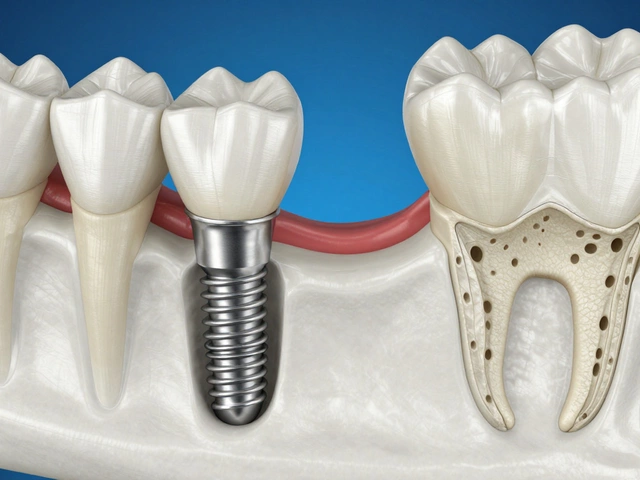
If the tooth is severely decayed and restoration costs are prohibitive, extraction is a valid medical decision. It stops infection spread and is cheaper upfront, though you may face future costs for replacement options like bridges or implants.
Next Steps
Don't let the fear of cost keep you in pain. Start by calling five local dentists today, asking specifically about NHS availability. If they are full, register with two more. Call NHS 111 if pain is acute. Simultaneously, improve your oral hygiene routine to halt the decay process. Explore university clinics for lower-cost options. Remember, untreated dental disease can impact your heart health and overall well-being, so prioritizing access-even if it means traveling or waiting-is crucial.