Facelift Destination Safety & Cost Estimator
Select Your Criteria
Analysis Result
Country NameIncludes hospital fees and standard aftercare.
Detailed description goes here.
Key Considerations
Select a country to view safety analysis and cost estimates.
Choosing a destination for a facelift isn't just about price tags or vacation perks. It’s about survival and looking good afterward. When you are asking "what is the safest country for facelifts?", you are really asking where the regulatory net is tightest, where the surgeons are most accountable, and where the path to help is shortest if things go wrong. In 2026, the landscape of aesthetic medicine has shifted. While some nations offer cheaper rates, the gap between cost and safety often widens into a dangerous chasm.
The short answer? The United Kingdom remains one of the safest jurisdictions globally, alongside countries like Sweden, Germany, and Singapore. But "safe" doesn't mean risk-free. It means that if complications arise, the system is designed to catch them, treat them, and hold practitioners responsible. This article breaks down why location matters more than you think, how to verify surgeon credentials anywhere in the world, and why the UK’s strict hospital standards give it an edge over popular medical tourism hubs.
Why Location Dictates Safety Standards
You might assume that a skilled surgeon is safe everywhere. That is a myth. A surgeon’s skill is only half the equation; the other half is the environment they operate in. In countries with lax regulations, a clinic might look luxurious on the outside but lack basic life-support equipment or sterile protocols inside. The regulatory framework of a country determines who can call themselves a doctor, what facilities they must use, and how patient data is protected.
In the UK, the General Medical Council (GMC) strictly regulates doctors. To perform a facelift, a surgeon must be fully registered and often holds specialist certification from bodies like the British Association of Plastic, Reconstructive and Aesthetic Surgeons (BAPRAS). In contrast, many popular medical tourism destinations have fragmented oversight. A practitioner might be licensed in one region but not another, or they might hold a certificate from a non-accredited institution that sounds impressive but lacks rigorous training requirements.
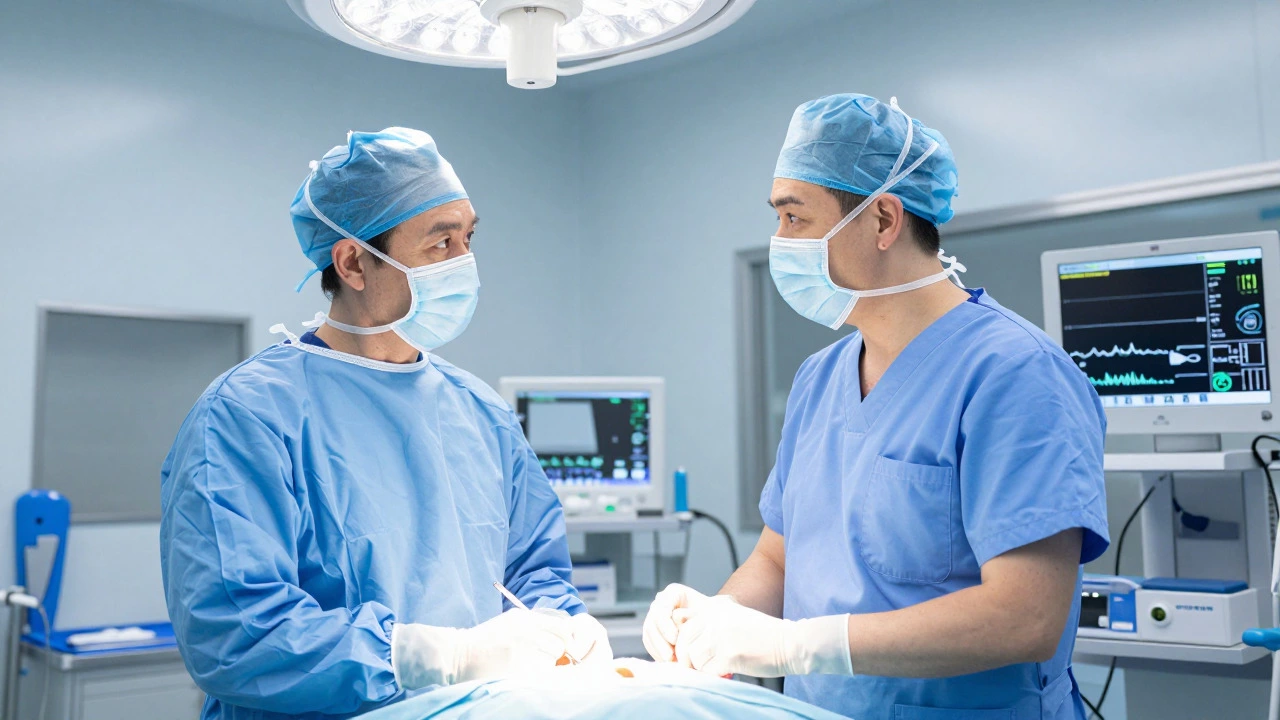
Consider the anesthesia factor. Facelifts are major surgeries, usually requiring general anesthesia. In the UK, anesthesia is typically administered by a dedicated anesthetist, not the surgeon multitasking. In less regulated markets, it is common for the surgeon to manage both the incisions and the breathing, which increases cognitive load and risk during critical moments.
The UK Advantage: Regulation and Accountability
When evaluating the United Kingdom as a hub for cosmetic surgery, the standout feature is accountability. The Care Quality Commission (CQC) inspects hospitals and clinics regularly. If a facility fails to meet hygiene or safety standards, it gets shut down or fined heavily. This creates a high barrier to entry for subpar providers.
Furthermore, the legal recourse available to patients in the UK is robust. If negligence occurs, the pathway to compensation is clear. In many overseas destinations, pursuing legal action against a foreign surgeon is prohibitively expensive and legally complex. This lack of consequence can sometimes lead to complacency in practice standards.
The UK also mandates specific reporting of adverse events. Surgeries performed in accredited hospitals follow strict post-operative care protocols. You aren’t just handed a brochure and sent home; there is a structured timeline for follow-ups, wound checks, and emergency contact availability. This continuity of care is vital in the first two weeks after surgery, when bleeding or infection risks are highest.
Global Contenders: Who Else Is Safe?
While the UK leads in regulation, it is not alone. Several other countries maintain high safety benchmarks for cosmetic surgery. Understanding these alternatives helps you weigh options based on your personal circumstances.
| Country | Regulatory Body | Surgeon Verification | Key Risk Factor |
|---|---|---|---|
| United Kingdom | GMC / CQC | Mandatory GMC Registration | High Cost |
| Sweden | Läkemedelsverket | Strict Specialist Certification | Limited Availability |
| Germany | BÄK | Board Certified Specialists | Language Barriers |
| Singapore | Singapore Medical Council | Rigorous Licensing | Travel Distance for Westerners |
| Turkey | Ministry of Health | Variable Oversight | Aggressive Marketing & Volume Clinics |
| Mexico | SSA | Cédula Profesional Required | Inconsistent Hospital Standards |
Sweden and Germany are often cited as the gold standard in Europe due to their comprehensive healthcare systems and strict adherence to clinical guidelines. Singapore stands out in Asia for its blend of Eastern aesthetics and Western medical rigor. However, Turkey and Mexico, while popular for affordability, present higher variability. In Turkey, for instance, Istanbul has become a hub for medical tourism, but the sheer volume of procedures can sometimes dilute personalized care. Not all clinics there are unsafe, but the burden of vetting falls entirely on you.
Red Flags in Medical Tourism Destinations
If you are considering traveling abroad, you need to know what to avoid. The internet is flooded with glossy before-and-after photos that hide the reality of surgical environments. Here are the warning signs that a destination or clinic might compromise your safety:
- "Doctor Vacations": Surgeons who fly in once a month to operate in a clinic. These doctors have no local accountability and vanish after the procedure. If complications arise weeks later, they are gone.
- Package Deals: Offers that bundle surgery with hotel stays and airport transfers at a suspiciously low price. Surgery is not a commodity like a flight ticket; quality cannot be discounted without cutting corners somewhere.
- Lack of On-Site Anesthetists: If the consultation doesn’t mention a dedicated anesthetist, ask questions. General anesthesia requires constant monitoring by a specialist.
- Vague Credentials: Titles like "International Board Certified" often refer to obscure organizations with easy entry requirements. Look for recognition by national medical councils.
- Pressure to Decide Immediately: Ethical surgeons encourage second opinions. High-pressure sales tactics are a sign that profit outweighs patient welfare.
How to Verify Surgeon Credentials Anywhere
Regardless of the country, you must do your own due diligence. Trusting a website’s claims is not enough. Here is a step-by-step process to verify any surgeon’s legitimacy:
- Check National Registries: In the UK, search the GMC online register. In the US, check the American Board of Plastic Surgery. In Canada, look for Royal College certification. Do not rely on self-reported memberships.
- Ask for Hospital Privileges: Does the surgeon have operating privileges at a nearby accredited hospital? This is a strong indicator of peer review and competence. Many med-spa surgeons operate only in private suites with no hospital backup.
- Review Complication Rates: Ask directly: "What is your rate of hematoma, infection, or nerve injury?" A transparent surgeon will share this data. Vague answers suggest hidden issues.
- Seek Patient Reviews Beyond the Website: Look for independent reviews on platforms like Trustpilot or RealSelf. Pay attention to comments about bedside manner and post-op support, not just results.
- Consult in Person: Video consultations are convenient, but an in-person visit allows you to assess the clinic’s cleanliness, staff professionalism, and emergency equipment.
The Hidden Costs of Cheap Surgery
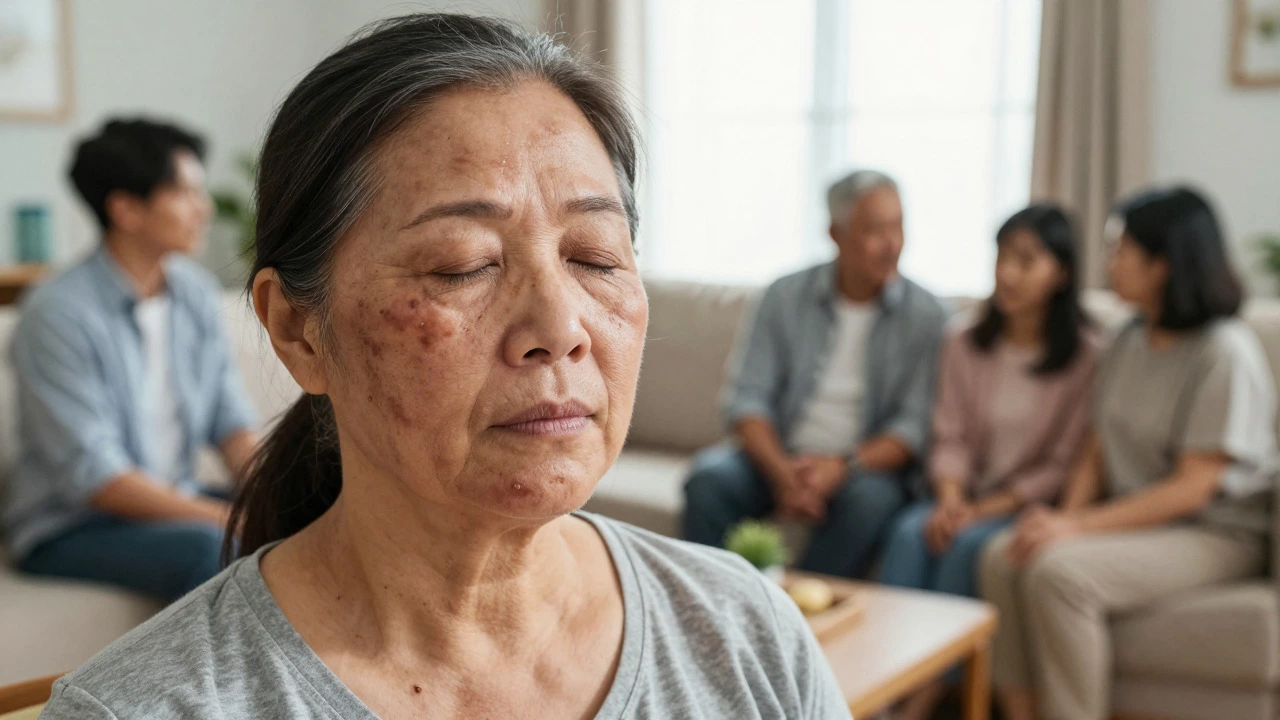
It is tempting to save thousands by going abroad. But consider the true cost. If you develop a blood clot, severe infection, or unsatisfactory scarring, you will likely need revision surgery. Revision facelifts are technically more difficult and expensive because of scar tissue. Adding travel costs, lost wages, and potential emergency medical evacuation, the "discount" can disappear quickly.
In the UK, while upfront costs are higher, you are paying for a safety net. This includes pre-operative blood tests, ECGs, and thorough health screenings that reduce surgical risk. Many overseas clinics skip these steps to turn patients around faster, increasing the likelihood of intraoperative surprises.
Post-Operative Care: The Critical Phase
Safety doesn’t end when the sutures are in. The first 72 hours are crucial for detecting bleeding or breathing difficulties. In your home country, you can return to the ER or see your surgeon immediately. Abroad, you face language barriers, unfamiliar healthcare systems, and distance from family support.
Many patients underestimate the physical toll of a facelift. Swelling, bruising, and discomfort are significant. Being in a foreign city while recovering can be isolating and stressful, which may impede healing. The psychological comfort of being near loved ones and familiar medical resources is an underrated aspect of safety.
Conclusion: Prioritize Safety Over Savings
So, what is the safest country for facelifts? For most English-speaking patients, the United Kingdom offers the best balance of stringent regulation, accessible legal recourse, and high-quality post-operative care. Countries like Sweden, Germany, and Singapore are equally safe but may present logistical challenges. If you choose to go elsewhere, let caution guide every step. Verify credentials independently, insist on accredited facilities, and plan for worst-case scenarios. Your face is your identity; protect it with informed choices, not just attractive prices.
Is the UK safer than the US for facelifts?
Both the UK and the US have high safety standards, but the UK’s centralized regulatory body (GMC) and mandatory hospital inspections (CQC) provide a slightly more uniform level of oversight. In the US, regulation varies by state, and some states have looser rules for cosmetic procedures. However, top-tier US surgeons in accredited facilities are equally safe.
Can I sue a surgeon in Turkey if something goes wrong?
Yes, but it is extremely difficult and expensive. Legal proceedings in Turkey are conducted in Turkish, require local representation, and can take years. Most patients find it impractical to pursue legal action, which is why choosing a surgeon with international insurance or a reputable clinic with a track record of handling complications is crucial.
What is the biggest risk of getting a facelift abroad?
The biggest risk is lack of follow-up care. Complications like hematomas or infections often appear days after surgery. If you are already back home, managing these issues remotely is challenging. Additionally, finding a local surgeon willing to fix complications caused by another doctor can be difficult and costly.
Are UK cosmetic surgeons required to be plastic surgeons?
Not necessarily. Any GMC-registered doctor can perform cosmetic surgery. However, for a facelift, you should seek a surgeon certified by BAPRAS or FRCS (Plast), indicating specialized training in plastic surgery. General practitioners or dentists performing facelifts carry higher risks due to less extensive anatomical training.
How much does a facelift cost in the UK compared to Turkey?
In the UK, a facelift typically costs between £8,000 and £15,000, depending on complexity and surgeon expertise. In Turkey, prices range from £3,000 to £6,000. While the UK is more expensive, the cost includes rigorous pre-op screening, accredited hospital fees, and comprehensive aftercare, which are often extra or minimal in Turkey.