
Contrary to popular belief, there’s no hard cutoff age for a facelift. The facelift age limit myth is pervasive, but the truth is more nuanced. Surgeons in the UK and worldwide focus on your overall health and skin condition-not just your age. Whether you’re 50 or 80, the real question is: are you healthy enough for surgery? Let’s break down the facts.
What is a facelift?
facelift is a surgical procedure to tighten skin and underlying tissues on the face and neck, medically known as rhytidectomy. This procedure targets sagging skin, deep wrinkles, and loose neck tissue. During surgery, incisions are made around the ears, excess skin is removed, and underlying muscles are tightened. Recovery typically takes 2-3 weeks, with swelling and bruising subsiding gradually. In the UK, private clinics perform this surgery, with costs ranging from £5,000 to £10,000 depending on complexity. But age alone doesn’t determine eligibility.
What really matters more than age?
When deciding if a facelift is right for you, age isn’t the main factor. Surgeons look at these health and lifestyle aspects:
- Overall health: Conditions like heart disease, diabetes, or high blood pressure need to be well-controlled. A 2024 study in the Journal of Plastic and Reconstructive Surgery found that patients over 70 with stable health had similar complication rates to younger patients.
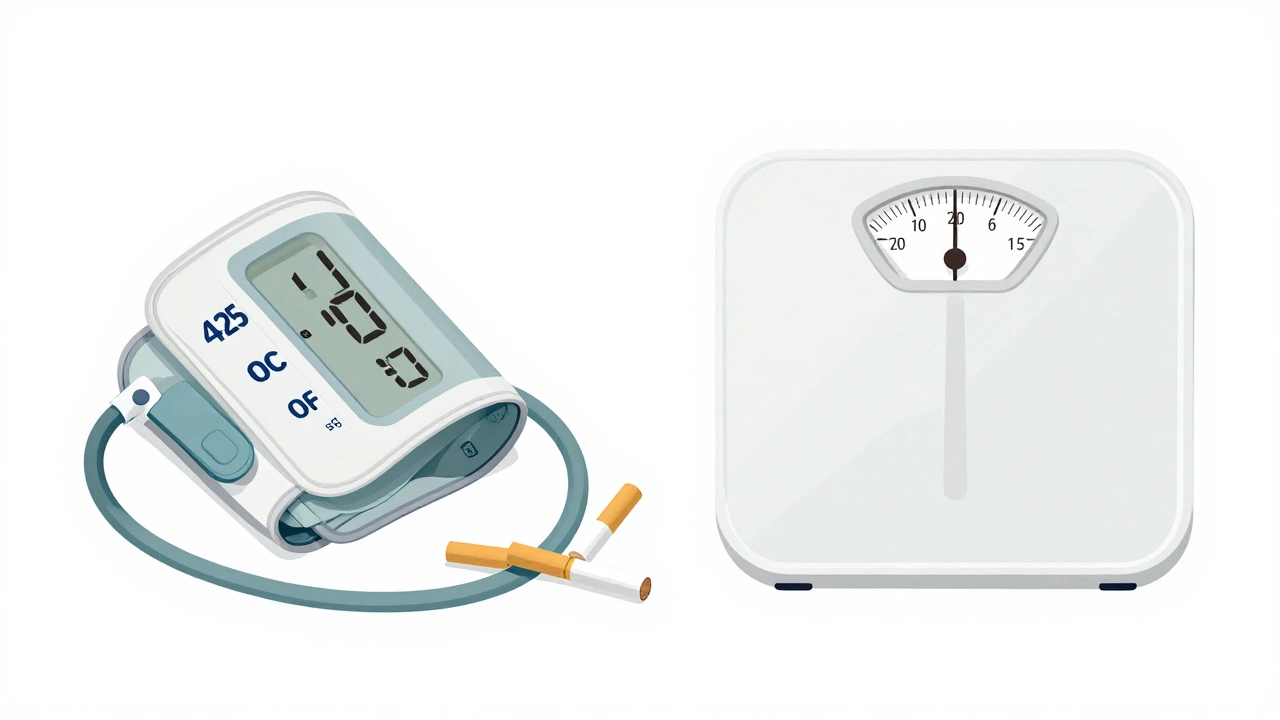
- Smoking status: Smoking severely impairs healing. Surgeons typically require patients to quit smoking for at least 4 weeks before surgery. Smokers have a 3x higher risk of complications like skin necrosis.
- Skin elasticity: Even older patients with good skin elasticity can achieve great results. Elastic skin responds better to tightening procedures, making the outcome more natural.
- BMI: A BMI over 30 increases surgical risks. Most UK clinics require a BMI below 30 for facelift candidates to ensure safe healing.
Risks for older patients
Older patients often face longer healing times. A 2022 study in the Journal of Cosmetic Dermatology found that patients over 70 took 20% longer to heal than younger patients. Common risks include infection, nerve damage, or delayed wound healing. However, these risks are manageable with proper care. Surgeons always conduct thorough pre-op assessments, including heart function tests and blood work. If you have hypertension or diabetes, bringing these conditions under control is critical. Many UK clinics report success rates above 95% for patients over 70 who meet health criteria.
Real-world examples: Age isn’t a barrier
Take Jane, a 76-year-old from London. She had a facelift after her GP cleared her for surgery. Her blood pressure was managed with medication, and she’d quit smoking 6 months prior. Recovery took about 3 weeks, and she’s been happy with the results for 2 years. Similarly, a 2023 case study in the British Journal of Plastic Surgery documented an 83-year-old patient who had a successful facelift with no major complications. The key? Thorough pre-op health checks and realistic expectations.
Alternatives to surgery
If surgery feels too risky, non-invasive options exist. Here’s how they compare:
| Procedure | How it works | Recovery time | Results duration | Best for |
|---|---|---|---|---|
| Facelift (surgical) | Incisions made around the ears, skin lifted, excess removed, tissues tightened. | 2-3 weeks | 5-10 years | Significant sagging, deep wrinkles |
| Thread lift | Minimally invasive, sutures lifted | 1 week | 1-2 years | Mild sagging |
| Dermal fillers | Injected hyaluronic acid | None | 6-18 months | Volume loss |
| Laser skin tightening | Heat stimulates collagen | Multiple sessions, 1-2 weeks | 1-2 years | Early signs of aging |
For example, thread lift uses absorbable sutures with tiny cones that grip the skin and lift it upward. The procedure takes about 45 minutes under local anesthesia. Recovery is quick-most people return to work within a few days. However, results are less dramatic than a surgical facelift and last 1-2 years. dermal fillers like Juvederm or Restylane can plump up areas of volume loss. They’re injected in a 30-minute session with minimal downtime. Results last 6-18 months, depending on the product. Fillers work best for mild sagging but don’t address loose skin.
Frequently Asked Questions
Can you get a facelift at 80?
Yes, age alone isn’t a barrier. A 2023 study in the British Journal of Plastic Surgery found that patients over 80 with controlled health conditions (like hypertension or diabetes) had successful outcomes. Surgeons will require thorough medical clearance, but many UK clinics perform facelifts on patients in their 80s when they’re healthy enough.
What if I have high blood pressure?
Well-managed hypertension doesn’t rule out a facelift. Surgeons will check your blood pressure readings and may require you to adjust medication before surgery. Uncontrolled high blood pressure increases bleeding risks, so stability is key. Most UK clinics require blood pressure below 140/90 mmHg for safe surgery.
How long does recovery take for older patients?
Older patients typically need 2-3 weeks for initial healing, similar to younger patients. However, swelling may take longer to fully subside-up to 6 weeks. Most people return to light activities within 10 days. Surgeons provide detailed aftercare instructions, including avoiding heavy lifting and sun exposure, to ensure safe recovery.
Are non-surgical options effective for seniors?
Non-surgical options work well for mild aging signs but can’t replace a surgical facelift for severe sagging. dermal fillers and laser treatments are popular for seniors because they have no downtime. For moderate to severe issues, a surgical facelift still delivers the most dramatic results. A consultation with a plastic surgeon can help you choose the best option.
Is there a maximum age for facelift surgery?
No, there’s no official maximum age. The oldest patient in a 2024 UK clinic study was 89 years old. Eligibility depends entirely on health status, not age. Surgeons evaluate fitness through heart tests, lung function checks, and blood work. If you’re medically cleared, your age won’t stop you from getting a facelift.