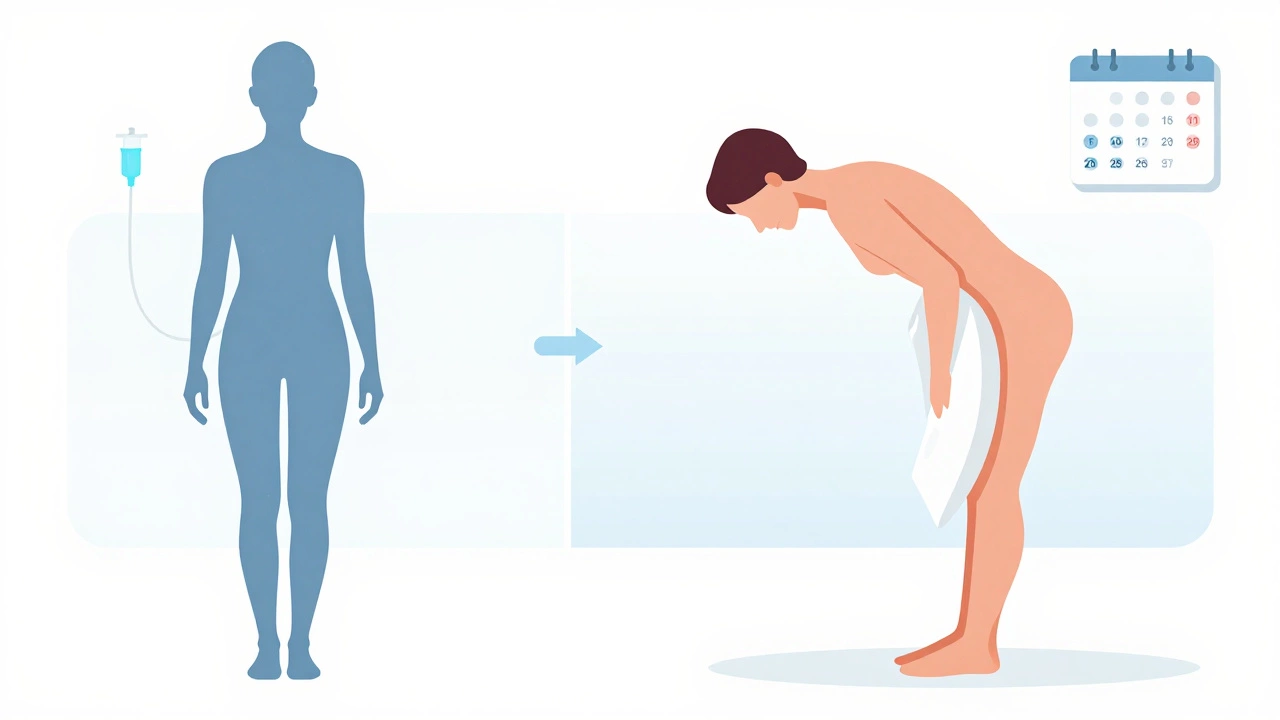
UK Plastic Surgery Recovery Simulator
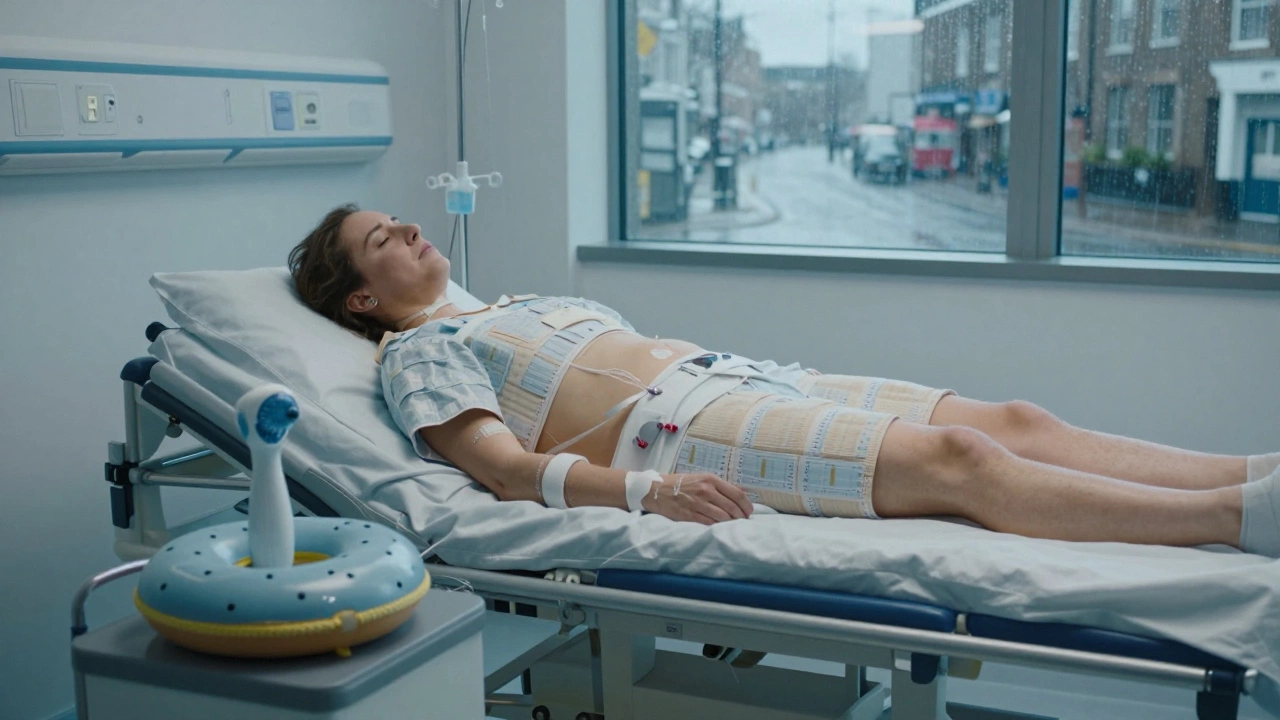
Body Lift
The Marathon
Circumferential torso incision. No bending for 2 weeks.
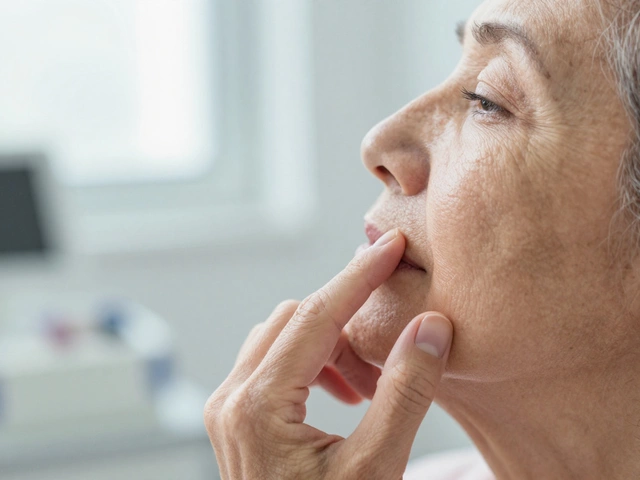
Facelift
Social Isolation
Visible swelling. Head elevation required. Numbness.
Brazilian Butt Lift
Logistical Nightmare
No sitting for 8 weeks. Donut pillow essential.
Tummy Tuck
Bent Posture
Walk bent at 45°. Digestive issues & drains.
Recovery Simulation
Primary Challenges
UK Specific Factors
Timeline Overview
Imagine waking up after surgery feeling like you’ve been through a marathon, not just a procedure. For many patients seeking aesthetic enhancements in the UK, the fear of recovery often outweighs the excitement of the results. But which procedures actually demand the most physical and emotional resilience? While everyone hears about quick fixes like lip fillers or Botox, the reality of major reconstructive work is far more intense.
The title for "hardest" usually goes to surgeries that involve large surface areas of skin removal, significant tissue manipulation, or deep structural changes. In the UK context, where private healthcare standards are high but self-care expectations are also rigorous, understanding these challenges helps you prepare realistically. We’re looking at procedures that keep you out of commission for weeks, not days.
The Body Lift: The Marathon of Reconstructive Surgery
If there is one procedure that consistently tops the list for difficulty, it’s the body lift (also known as circumferential lower body lift). This isn’t a minor tweak; it’s a massive undertaking designed primarily for people who have undergone massive weight loss, typically losing 100 pounds or more.
Why is it so hard? Because surgeons remove excess skin and fat from the abdomen, buttocks, thighs, and back all in one go. The incision line circles your entire torso. You will likely spend the first two weeks lying flat on your back because bending at the waist could compromise the sutures. Imagine trying to eat, shower, or even use the bathroom without being able to bend over. It requires immense patience and often assistance from a caregiver.
In the UK, where weather can be damp and cold, keeping dressings dry while managing mobility issues adds another layer of complexity. Most patients report that the pain is manageable with medication, but the restriction on movement is the true challenge. Recovery time is extensive: light activity might resume in three weeks, but heavy lifting is off-limits for six to eight weeks. Swelling can persist for months.
Facelifts: When Your Face Becomes a Puzzle
A facelift (rhytidectomy) targets the aging face by tightening underlying muscles and removing excess skin. While less physically demanding than a body lift, the psychological toll and social isolation make it incredibly difficult for many patients.
You cannot hide facial swelling. Within the first 48 hours, your face may look bruised, tight, and distorted. Numbness is common as nerves heal, which can feel strange when you try to smile or talk. In the UK, where professional appearances matter, taking two to three weeks off work is standard. You’ll need to sleep with your head elevated to reduce fluid buildup, which disrupts normal sleep patterns significantly.
The discomfort isn’t just pain-it’s tension. Your skin feels pulled, and simple actions like chewing can trigger headaches. Patients often describe feeling vulnerable because their identity is literally under construction. Social anxiety peaks during the first week when friends and family react to your appearance. Planning this surgery around holidays or low-stress periods is crucial.
Brazilian Butt Lift (BBL): The High-Stakes Procedure
The Brazilian Butt Lift has gained popularity globally, including in the UK, for its ability to create curves using your own fat. However, it carries unique recovery challenges due to the risk profile and positioning requirements. Fat is harvested via liposuction from areas like the abdomen or thighs and injected into the buttocks.
The hardest part? You cannot sit directly on your new shape for at least eight weeks. Sitting compresses the newly transferred fat cells, causing them to die and reducing results. Patients must invest in specialized donut pillows or lie on their stomachs/sides constantly. This posture strain affects your back, hips, and daily functionality. Getting in and out of cars, using public transport, or working at a desk becomes a logistical nightmare.
Pain from the liposuction sites is moderate, but the inability to sit normally leads to muscle fatigue and soreness elsewhere. In London, where commuting involves sitting on tubes or buses, this restriction is particularly challenging. Many patients hire drivers or take extended leave to manage this phase safely.

Abdominoplasty (Tummy Tuck): More Than Just Skin Deep
An abdominoplasty removes loose abdominal skin and tightens the underlying muscles. Unlike a tummy tuck mini-version, a full tummy tuck involves significant internal repair. The core muscles are sutured together, creating a rigid band across your midsection.
This means you cannot stand up straight immediately. For the first week, you’ll walk bent forward at a 45-degree angle. Standing upright strains the repaired muscles and causes sharp pain. Coughing, sneezing, or laughing requires holding a pillow against your abdomen to protect the incisions. Constipation is a major concern because straining increases intra-abdominal pressure, risking stitch failure.
UK patients often underestimate the impact on digestion. Post-operative nausea combined with opioid painkillers slows bowel movements. Staying hydrated and using stool softeners is non-negotiable. Drainage tubes are usually left in place for one to two weeks, requiring emptying and monitoring for infection. The combination of restricted mobility, tube management, and digestive issues makes this a mentally taxing recovery.
Comparison of Recovery Difficulties
| Procedure | Primary Pain Source | Mobility Restriction | Time Off Work | Key Challenge |
|---|---|---|---|---|
| Body Lift | Incisional pain, drainage | No bending for 2 weeks | 3-4 weeks | Total body restriction |
| Facelift | Tension, numbness | Head elevation required | 2-3 weeks | Social visibility |
| BBL | Liposuction sites | No direct sitting for 8 weeks | 2-3 weeks | Posture adaptation |
| Tummy Tuck | Muscle tightening | Bent posture for 1 week | 2-4 weeks | Digestive management |
Factors That Make Recovery Harder in the UK Context
Living in the UK introduces specific variables that can complicate plastic surgery recovery. First, consider the climate. Humidity and rain can affect wound healing if dressings get damp. Keeping surgical sites dry during spring showers requires vigilance. Second, housing matters. Older UK homes often lack ground-floor bathrooms. If you live in a Victorian terrace with stairs, moving between floors while recovering from a body lift or tummy tuck is nearly impossible without help.
Third, access to private care varies. While NHS does not cover cosmetic surgery, private clinics offer varying levels of post-op support. Some include nurse visits, others do not. Ensure your surgeon provides clear emergency contact protocols. Finally, cultural attitudes toward pain play a role. British stoicism might lead patients to downplay symptoms, delaying necessary medical attention. Recognizing signs of infection-redness, heat, fever-is critical regardless of how "tough" you feel.
How to Prepare for a Tough Recovery
Preparation is half the battle. Start by setting up a recovery station. Keep water, snacks, medications, phone chargers, and entertainment within arm’s reach. If you’re having a body lift or tummy tuck, install grab bars in the shower and buy a handheld bidet spray to avoid bending. For BBL patients, order a specialized cushion early.
Arrange help. You will need someone to drive you home, pick up prescriptions, and cook meals for at least the first week. Do not attempt to manage alone. Stock up on easy-to-digest foods like soups, smoothies, and yogurt to aid digestion and prevent constipation. Hydration is key-aim for two liters of water daily unless advised otherwise.
Mental preparation is equally important. Accept that you will look and feel worse before you look better. Join online forums or support groups specific to your procedure. Hearing real experiences from others who have navigated the same journey reduces anxiety and sets realistic expectations. Remember, the goal is long-term satisfaction, not short-term comfort.
When to Seek Medical Help
Not all discomfort is normal. Contact your surgeon immediately if you experience:
- Fever above 38°C (100.4°F)
- Increasing redness, warmth, or pus around incisions
- Severe pain not relieved by prescribed medication
- Shortness of breath or chest pain (signs of blood clots)
- Numbness or weakness in limbs that worsens over time
In the UK, private clinics should provide 24/7 access to a doctor or nurse. If you’re unsure, call NHS 111 for guidance on whether to visit A&E. Early intervention prevents complications from becoming emergencies.
Which plastic surgery has the longest recovery time?
The body lift typically has the longest recovery period, often requiring 6-8 weeks before returning to normal activities. Due to the extensive nature of the surgery, full healing and final results can take up to a year. Facelifts and tummy tucks usually require 2-4 weeks off work, but complete resolution of swelling takes several months.
Is BBL recovery really that difficult?
Yes, the primary challenge with BBL recovery is the inability to sit directly on your buttocks for at least 8 weeks. This restriction impacts daily life significantly, especially for those who commute or work at desks. While pain levels are moderate, the logistical adjustments required make it psychologically and physically demanding.
Can I recover from plastic surgery alone in the UK?
It is strongly discouraged to recover alone, especially for major procedures like body lifts or tummy tucks. You will need assistance with transportation, cooking, cleaning, and potentially personal care during the first week. Even for less invasive surgeries, having someone check on you ensures safety and peace of mind.
How much does recovery cost in private UK clinics?
Recovery costs vary widely depending on the clinic and package. Basic packages may include only follow-up appointments, while premium ones offer nurse visits, compression garments, and medication. Budget an additional £500-£1,500 for post-op supplies like drains, pills, and specialized cushions. Always clarify what’s included in your initial quote.
Does age affect recovery difficulty?
Yes, older patients generally experience slower healing times and higher risks of complications. Skin elasticity decreases with age, making tissues more fragile. However, overall health matters more than chronological age. Non-smokers with controlled chronic conditions often recover well even in their 50s and 60s.