Cosmetic Surgery Complexity Estimator
Select a procedure or adjust the sliders to understand why certain surgeries are considered more difficult than others. Difficulty is defined by technical precision, unpredictable healing, and margin for error.
Complexity Assessment
--Technical Challenge
Analysis pending...
Recovery & Healing
Analysis pending...
Patient Satisfaction
Analysis pending...
Surgeon's Insight
Select a procedure and calculate to see specific insights related to this surgery type.
Ask ten surgeons what the hardest procedure is, and you might get ten different answers. It’s not always about how long the operation takes or how much money it costs. True difficulty in cosmetic surgery comes down to a mix of technical precision, unpredictable healing, and the sheer margin for error. If you are considering a change in the UK, understanding which procedures carry the highest level of complexity helps you set realistic expectations. You aren’t just buying a result; you’re navigating a biological process that doesn’t always follow the surgeon’s plan.
Defining Difficulty: Why "Hard" Is Subjective
Before we rank anything, we need to agree on what makes a surgery "hard." For a patient, hard might mean a painful recovery. For a surgeon, it means high technical demand. In the medical community, complexity is usually measured by three factors: anatomical variability, the risk of complications, and the subjective nature of satisfaction. A procedure can be technically straightforward but emotionally devastating if the patient isn’t happy. Conversely, a technically brutal surgery might have a predictable outcome that everyone accepts.
In the UK, where regulations are strict and patients are well-informed, the pressure on surgeons to deliver near-perfect results is immense. This adds another layer of difficulty. It’s not enough to make someone look better; you have to make them look natural. That balance is where most challenges arise.
Rhinoplasty: The Architectural Nightmare
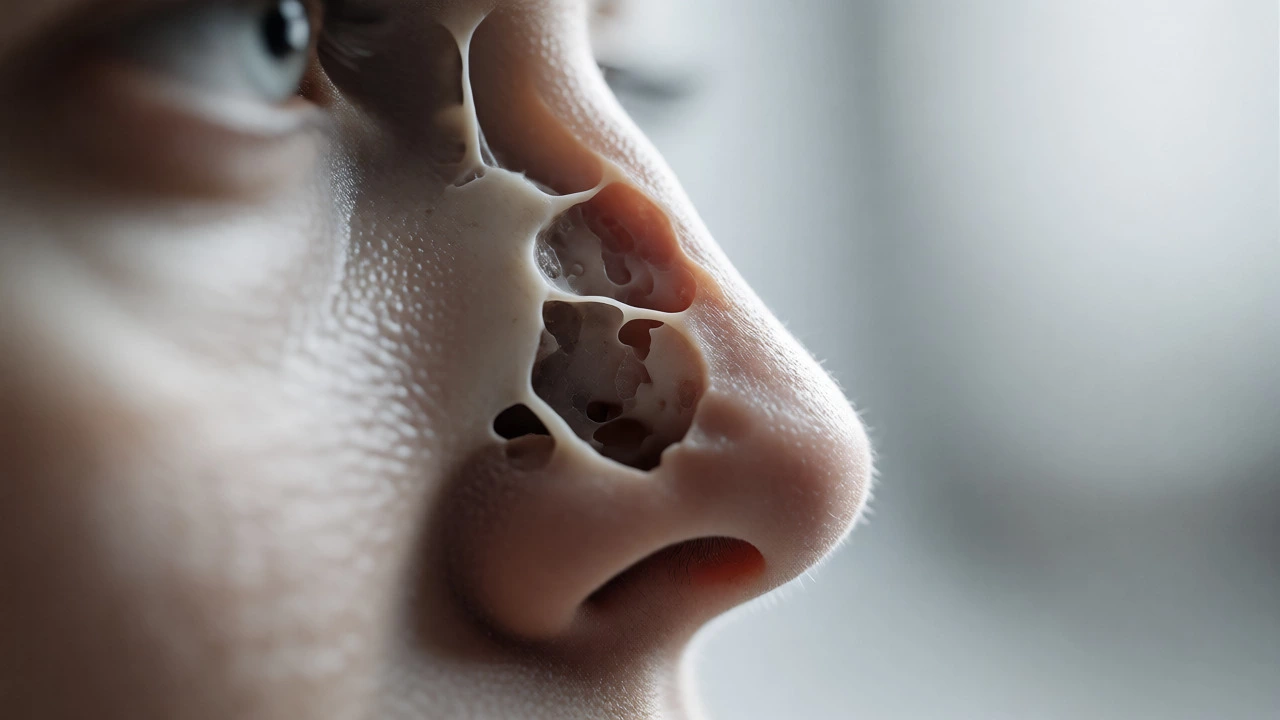
If there is one procedure that consistently tops the list of difficult surgeries, it is Rhinoplasty, commonly known as a nose job. It is a surgical procedure that changes the shape of the nose for either aesthetic or functional reasons. Unlike other areas of the face, the nose has no skin to hide mistakes. Every millimeter matters because the nose sits in the center of your vision. When people look at you, they look at your nose first.
The difficulty here lies in the anatomy. The nose is made of bone, cartilage, and thin skin. These tissues heal differently. Bone heals rigidly, cartilage can warp over time, and thin skin shows every bump and irregularity. Surgeons often describe rhinoplasty as building a house without blueprints. You open up the structure, see what’s actually there, and then try to rebuild it while maintaining airflow and structural integrity. If you remove too much cartilage, the nose collapses years later. If you leave too much, it looks bulky. There is no undo button once the tissue is removed.
| Procedure | Technical Skill Level | Healing Predictability | Satisfaction Risk |
|---|---|---|---|
| Rhinoplasty | Very High | Low (Swelling lasts 1 year) | High (Subjective beauty standards) |
| Facelift (SMAS) | High | Medium (Nerve damage risk) | Medium (Naturalness required) |
| Body Contouring | Medium-High | Low (Scar migration common) | Medium (Asymmetry issues) |
| Breast Augmentation | Medium | High (Implants are uniform) | Low (Size preference varies) |
Facelifts: Walking the Nerve Tightrope
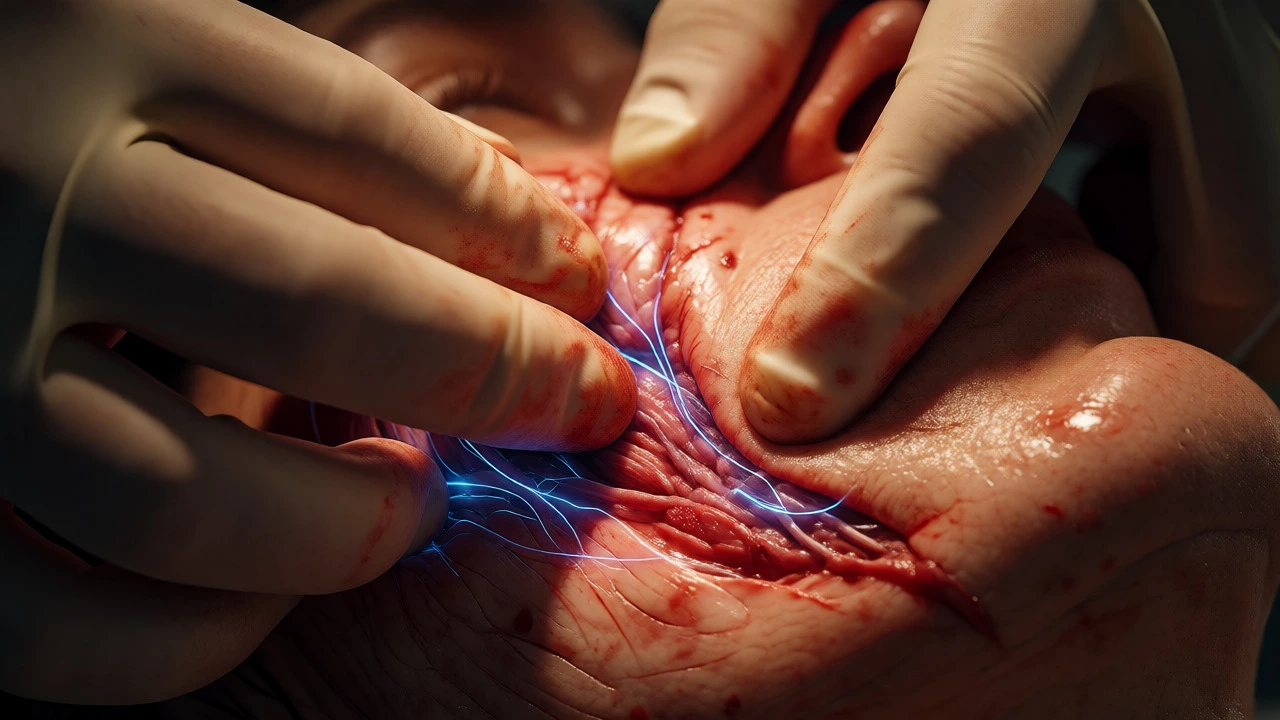
While rhinoplasty is hard because of visibility, facelifts are hard because of danger. Specifically, the facial nerve. A modern Facelift is a surgical procedure designed to reduce visible signs of aging along the face and neck. But to do it right, surgeons must work around the facial nerve branches that control movement. One slip, and you could end up with a drooping mouth or an inability to blink properly.
The technique matters enormously here. Older methods pulled the skin tight, which led to the dreaded "windblown" look. Modern techniques, like SMAS (Superficial Musculoaponeurotic System) lifts, involve repositioning the deeper muscle layers. This requires dissecting through tissue planes that are slippery and variable from person to person. The surgeon has to know exactly where the nerves are without seeing them directly. It’s tactile work. You feel for resistance. You learn to trust your hands more than your eyes. And if you mess up the vector of pull, the patient ends up looking tired rather than refreshed.
Body Contouring: Managing Gravity and Scars
When people think of hard surgeries, they often picture big operations like tummy tucks or arm lifts. These fall under body contouring. The challenge here isn’t just removing excess skin; it’s managing gravity. Skin stretches back out. Fat shifts. Muscle weakens. A Tummy Tuck is a surgical procedure to remove excess fat and skin and tighten muscles in the abdominal wall. Sounds simple, right?
Not quite. The biggest issue with body contouring is scar placement and tension. If you pull the skin too tight to close the wound, the scars stretch and widen during healing. If you don’t pull it tight enough, you get dog ears-those annoying bunches of skin at the ends of the incision. Finding the sweet spot is incredibly difficult, especially after massive weight loss. Patients who have lost 50kg or more have skin that behaves nothing like normal skin. It’s thinner, less elastic, and prone to fluid collection (seromas). Surgeons often spend more time managing these complications than performing the actual cut.
The Psychological Component: Why Satisfaction Is Hard
Here is something most lists miss: the hardest part of any cosmetic surgery is often the patient’s perception. Studies suggest that up to 10% of patients remain dissatisfied even when the surgical result is objectively good. This is particularly true in procedures involving symmetry, like breast augmentation or liposuction. Human bodies are naturally asymmetrical. Your left eye might be slightly lower than your right. Your hips might not align perfectly. Surgery cannot fix natural asymmetry completely.
Surgeons call this "managing expectations." It is arguably harder than holding the scalpel. If a patient wants their nose to look like a celebrity photo, but their skin type won’t allow it, the surgeon has to say no. Saying no is hard. Delivering a result that is 90% perfect but feels like 100% to the patient? That is the real art form.
Revision Surgeries: The Ultimate Challenge
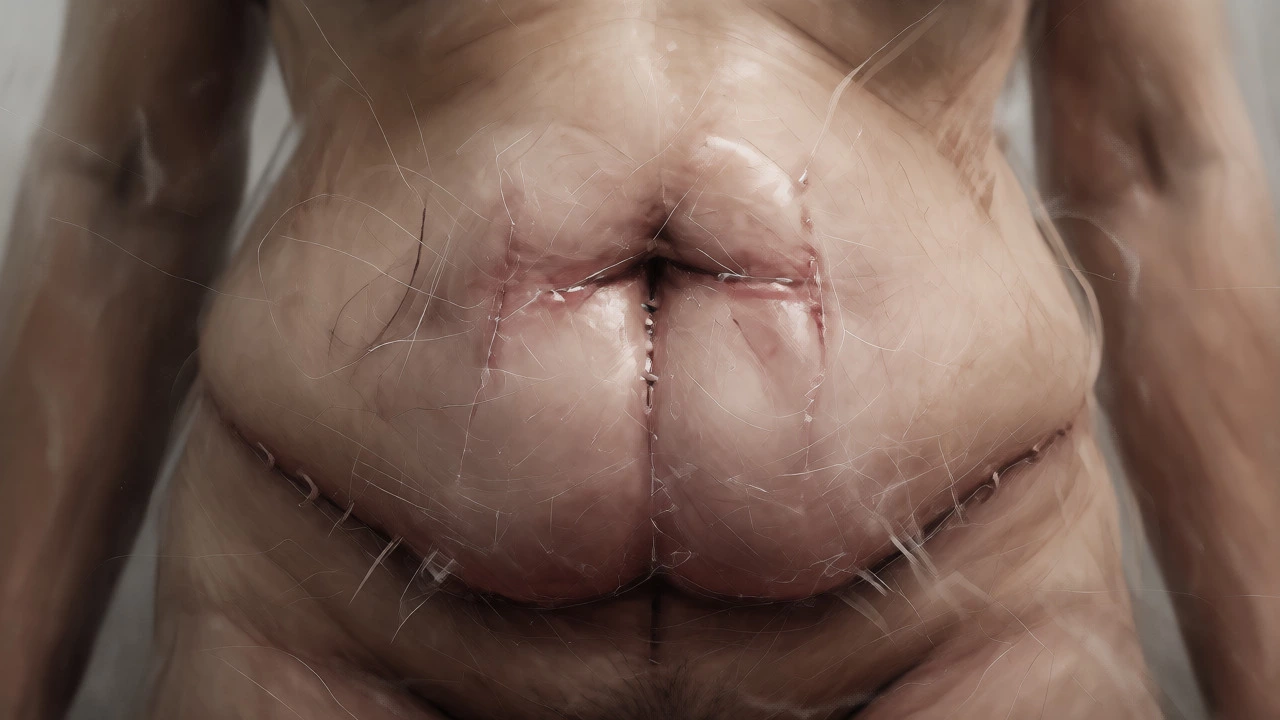
If primary surgery is hard, revision surgery is brutal. Once tissue has been cut, scarred, and healed, the anatomy is distorted. Scar tissue doesn’t behave like normal tissue. It’s sticky, bloodless, and unpredictable. Re-doing a failed rhinoplasty or a botched breast lift requires dismantling previous work. You are essentially fighting against the body’s own healing mechanisms. Many surgeons refuse to take on complex revisions unless they are highly specialized. This scarcity of expertise drives up costs in the UK private sector, making access difficult for many.
Key Takeaways
- Rhinoplasty is widely considered the hardest due to thin skin, central location, and long swelling periods.
- Facelifts carry high risk due to proximity to facial nerves and the need for deep tissue manipulation.
- Body Contouring struggles with gravity, scar stretching, and asymmetry, especially post-weight loss.
- Revision surgeries are exponentially harder than primary ones due to scar tissue and altered anatomy.
- Patient satisfaction depends heavily on realistic expectations, not just surgical skill.
Frequently Asked Questions
Is rhinoplasty really the hardest cosmetic surgery?
Most board-certified plastic surgeons consider rhinoplasty the most challenging. This is because the nose is centrally located, has thin skin that reveals imperfections, and involves delicate cartilage that can warp during healing. Additionally, final results can take up to a year to appear, testing both surgeon and patient patience.
Why are facelifts considered risky?
Facelifts are risky primarily due to the facial nerve. Surgeons must navigate around nerves that control facial expressions. Damage can lead to temporary or permanent paralysis of parts of the face. Furthermore, achieving a natural look without the "pulled" appearance requires advanced deep-plane techniques that are technically demanding.
Which cosmetic surgery has the longest recovery?
Procedures like abdominoplasty (tummy tuck) and full body lifts typically have the longest physical recoveries, often requiring 4-6 weeks before returning to normal activities. However, rhinoplasty has the longest psychological recovery because subtle swelling persists for months, meaning patients wait nearly a year to see the final shape.
Does the cost reflect the difficulty of the surgery?
Generally, yes. In the UK, more complex surgeries like rhinoplasty or extensive body contouring cost more because they require longer operating times, higher levels of surgeon expertise, and often more intensive post-operative care. However, price also reflects brand reputation and clinic overheads, so it’s not a pure metric of difficulty.
Can any surgeon perform the hardest procedures?
No. While all qualified plastic surgeons can perform basic procedures, complex cases like secondary rhinoplasty or massive weight loss body contouring should be handled by specialists. Look for surgeons who are members of the British Association of Plastic, Reconstructive and Aesthetic Surgeons (BAPRAS) and have specific case portfolios for the procedure you want.