Daily Energy & Pacing Planner
Your Energy Reservoir
Set your total 'spoons' for today. Remember: stop before you run out to prevent a crash.
Activity Budget
Plan Your Tasks
- Add activities to assign spoons...
Key Takeaways for Pain Management
- Focus on a multidisciplinary approach combining medical, physical, and psychological tools.
- Pacing is more effective than "pushing through" the pain.
- Small, consistent adjustments to sleep and diet can lower systemic inflammation.
- Mental health support is a clinical necessity, not an optional extra, when dealing with long-term pain.
Understanding the Nature of Your Pain
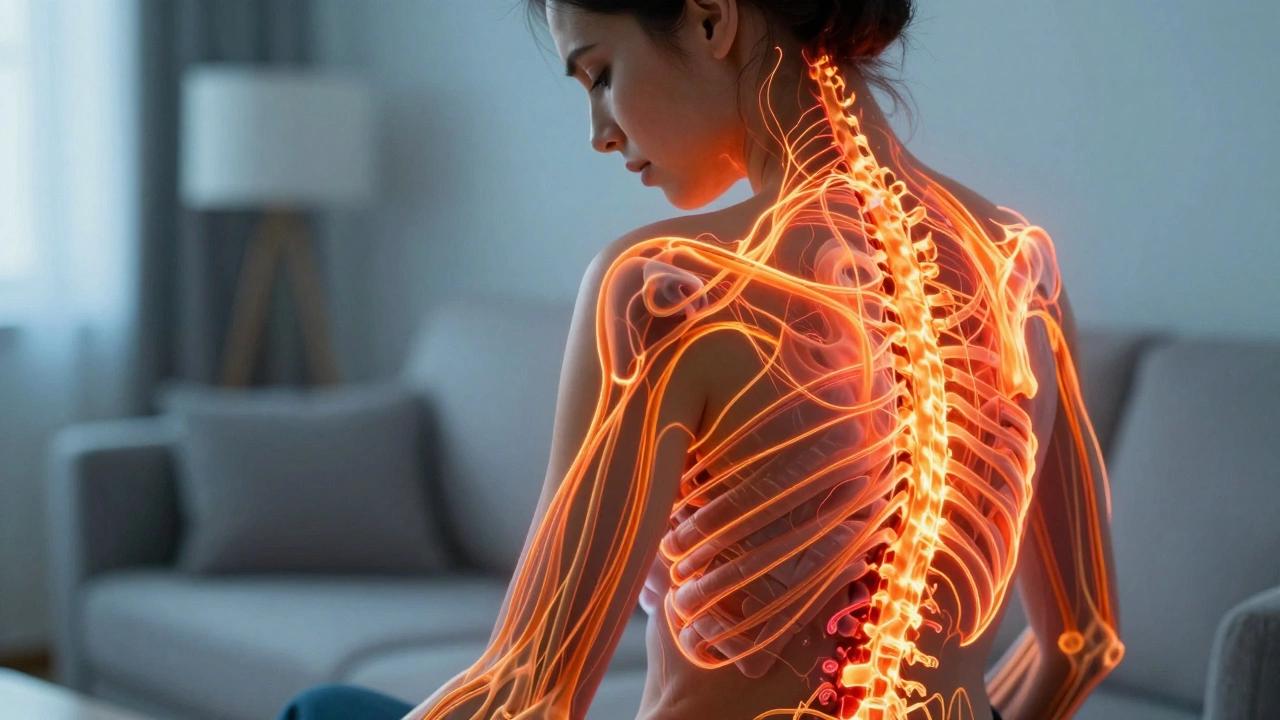
Before you can manage the fire, you have to know what's fueling it. Chronic Pain is pain that lasts beyond the typical healing time for an injury, often persisting for six months or longer. Unlike acute pain, which tells your brain that something is wrong right now, chronic pain is often a malfunction of the nervous system itself.
For many, this manifests as Neuropathic Pain, which is pain caused by damage or disease affecting the somatosensory nervous system. It often feels like electric shocks or searing heat. When your brain stays in a state of "high alert," it creates a loop called central sensitization. This means your brain becomes so good at processing pain signals that it starts amplifying them, making even a light touch feel painful. Understanding that your nervous system is "over-tuned" helps shift the goal from just fixing a joint or muscle to calming the entire system.
The Strategy of Pacing and Energy Conservation
One of the biggest mistakes people make is the "boom and bust" cycle. You have a good day, so you clean the whole house, go for a long walk, and catch up on all your errands. Then, you crash for three days. This rollercoaster keeps your body in a state of stress and often triggers a flare-up.
Instead, try severe chronic pain management through a technique called pacing. This means breaking tasks into tiny, manageable chunks and stopping *before* the pain increases. If you can usually vacuum for 10 minutes before the pain spikes, stop at 7 minutes. It feels counterintuitive to stop while you still feel okay, but this teaches your brain that activity is safe and doesn't always lead to a crash.
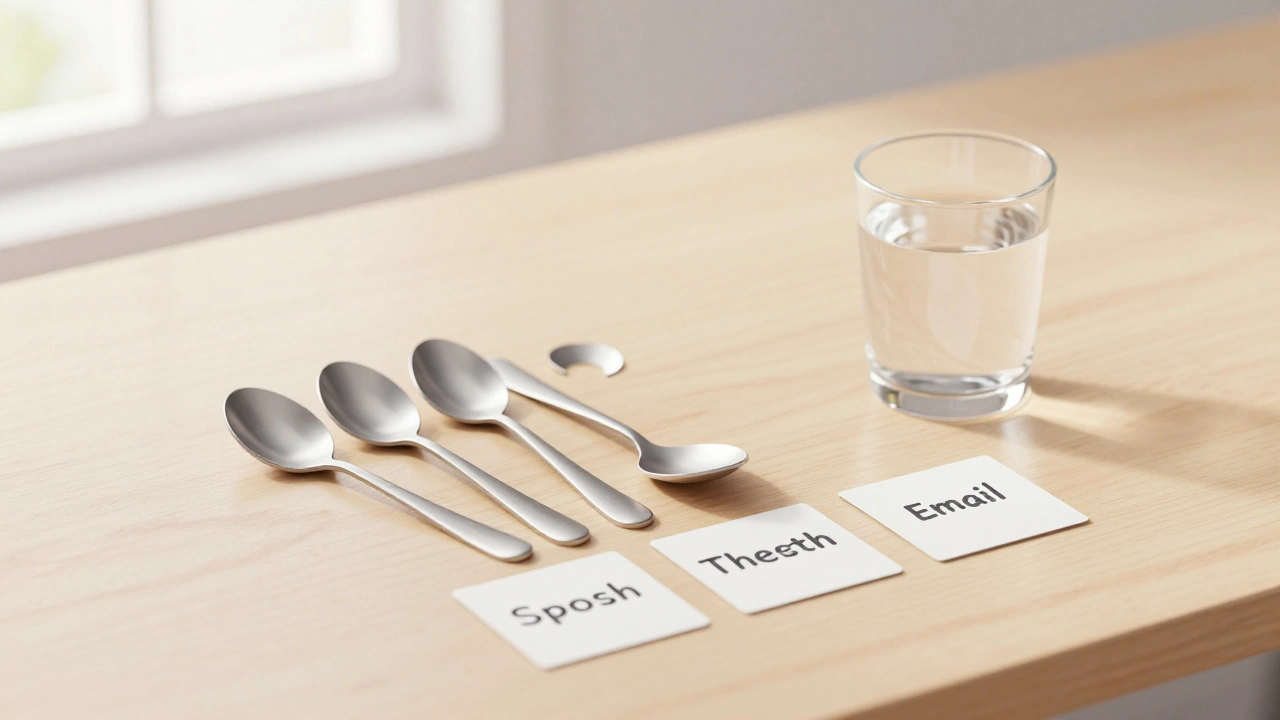
Use a "Spoon Theory" approach: imagine you have a limited number of spoons (energy units) each day. Every action-showering, driving, talking on the phone-costs a spoon. Once you're out, you're out. By planning your day around your available spoons, you reduce the emotional frustration of overextending yourself.
Building a Multidisciplinary Toolkit
No single pill or therapy is a silver bullet. The most successful way to live with severe pain is through a combined approach. Multidisciplinary Pain Care involves a team of specialists working together rather than in silos.
Consider the different roles in your care team:
- Pain Specialists: These doctors focus on targeted interventions, from medication adjustments to nerve blocks.
- Physiotherapists: A good therapist won't just give you exercises; they'll help you find "safe" movements that maintain mobility without triggering a flare.
- Psychologists: Dealing with chronic pain often leads to depression or anxiety. Cognitive Behavioral Therapy (CBT) is a psychological treatment that helps patients change the way they think about and react to pain, which can actually lower the perceived intensity of the sensation.
To see how these interventions differ, look at the common options available today:
| Approach | Primary Goal | Example Method | Best For |
|---|---|---|---|
| Pharmacological | Symptom Relief | Gabapentinoids / NSAIDs | Neuropathic or inflammatory pain |
| Physical | Functional Mobility | Hydrotherapy / Gentle Yoga | Joint stiffness and muscle atrophy |
| Psychological | Emotional Resilience | ACT (Acceptance and Commitment Therapy) | Reducing the mental burden of pain |
| Interventional | Signal Blocking | Epidural steroid injections | Localized nerve compression |
Managing the Mental Game
When you live with severe pain, your identity can start to merge with your diagnosis. You stop being a photographer, a parent, or a friend, and start being "a chronic pain patient." This shift is dangerous because it increases the psychological weight of the condition.
The goal is to move toward "pain acceptance." This isn't about liking the pain or giving up; it's about acknowledging that the pain is there and deciding that it doesn't get to dictate every single choice you make.
Mindfulness and meditation are often dismissed as "woo-woo," but they are actually biological tools. When you practice Mindfulness, you are training your brain to observe the pain as a sensation rather than a catastrophe. Instead of thinking, "My back is killing me, I can't do this," you shift to, "I am feeling a strong burning sensation in my lower back right now." This subtle change in language reduces the emotional alarm bells in the brain, which can actually dampen the pain signal.
Lifestyle Adjustments for Systemic Calm
You can't cure the root cause with a diet, but you can stop adding fuel to the fire. Systemic inflammation makes nerves more sensitive. If you are eating highly processed sugars and skipping sleep, your baseline pain level will be higher.
Focus on anti-inflammatory habits. Incorporating omega-3 fatty acids through fish or flaxseed and prioritizing magnesium-rich foods (like spinach and almonds) can help relax muscles and support nerve function.
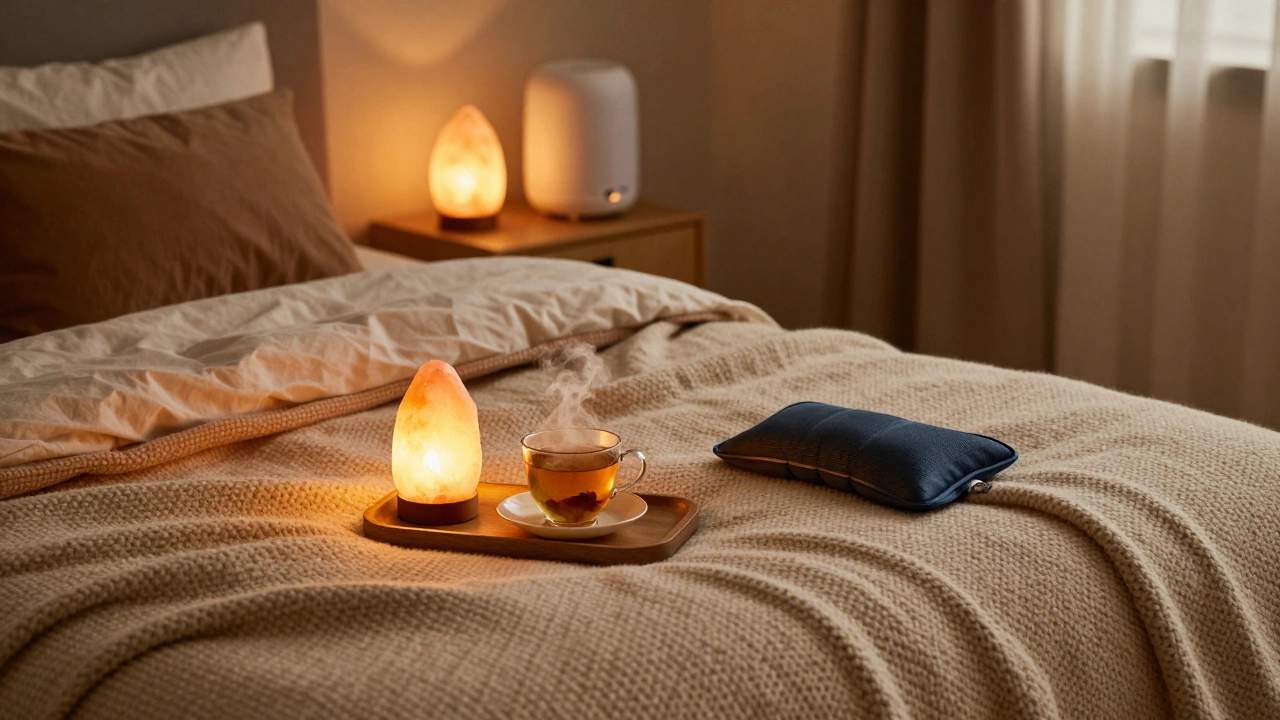
Sleep is the most critical variable. Pain makes it hard to sleep, and lack of sleep makes pain feel worse. This is a vicious cycle. To break it, create a "wind-down" ritual. This might include a warm bath with Epsom salts, using a weighted blanket to soothe the nervous system, or using a white noise machine to block out distractions. The goal is to signal to your brain that the environment is safe, allowing it to drop the guard and enter deep, restorative sleep.
Adapting Your Environment
Your home should be a sanctuary, not a series of obstacles. Small changes in your physical space can significantly lower the daily effort required to exist.
Invest in ergonomic tools. If sitting is painful, look into a variety of seating options-a reclining chair, a nursing pillow for lumbar support, or even a standing desk converter. In the kitchen, use a perching stool so you don't have to stand while prepping meals.
Temperature control is another hidden lever. Many people with chronic pain find that heat helps relax tight muscles, while cold packs are better for acute inflammation. Having a high-quality heating pad or a set of gel packs in the freezer allows you to respond to a flare-up immediately, preventing it from escalating.
Can I exercise if it causes me pain?
It depends on the type of pain. There is a difference between "good pain" (muscle fatigue or stretching) and "bad pain" (sharp, stabbing, or radiating sensations). You should never push through sharp pain, as this can trigger a flare. However, gentle movement-like walking in water or restorative yoga-is usually recommended to prevent joints from freezing up. Always work with a physiotherapist to find your "safe zone."
How do I explain my pain to people who don't understand?
Chronic pain is invisible, which makes it hard for others to grasp. Try using analogies. Instead of saying "it hurts," describe the sensation: "It feels like there is hot metal in my hip," or "It's like a constant electric buzz in my legs." Explaining that your "battery" drains faster than others can also help friends and family understand why you have to cancel plans last minute.
Are there natural alternatives to pain medication?
While medications are often necessary, complementary therapies like acupuncture, TENS (Transcutaneous Electrical Nerve Stimulation) units, and massage can provide significant relief. These methods work by stimulating different nerve pathways to "distract" the brain from the pain signals. Always discuss these with your doctor to ensure they don't interfere with your current treatment.
What should I do during a severe flare-up?
First, acknowledge that the flare is happening without judging yourself. Switch to "survival mode": prioritize hydration, sleep, and basic hygiene. Use your primary soothing tools (heat or cold) and practice diaphragmatic breathing to calm your nervous system. Once the peak passes, slowly reintroduce your paced activities rather than jumping back into a full schedule.
Is it normal to feel depressed when living with chronic pain?
Yes, it is incredibly common. Chronic pain and depression share similar biological pathways in the brain. The constant stress of pain exhausts your serotonin and dopamine levels. Seeking a therapist who specializes in chronic illness is not a sign of weakness; it is a clinical requirement for managing the overall burden of the disease.