
Prescription Debt Consequence Estimator
Enter your details below to see what typically happens when a prescription bill goes unpaid.
You grab your bag, check out of the doctor’s office, and head to the pharmacy. The pharmacist scans your script, types in a few details, and hands you a small paper bag. "That’ll be $42.50," they say. You reach for your wallet, but your mind is elsewhere-maybe you forgot your card, maybe you’re waiting on a paycheck that hasn’t cleared, or maybe you just think, "I can sort this out later." So, you leave the medicine behind. Or worse, you take it home, promising to pay next week. Then weeks turn into months. A letter arrives. Then another. Now you’re wondering: what actually happens if I don't pay for my prescription?
The short answer? It depends entirely on where you live and how much you owe. But generally, ignoring a medical bill doesn’t make it vanish. It transforms from a simple transaction into a complex web of debt collection, credit score damage, and potential legal hassles. Let’s break down exactly what goes on behind the scenes when that invoice sits unpaid.
The Immediate Aftermath: Pharmacy Policies
First off, pharmacies aren’t charities. They are businesses operating on thin margins. When you walk away with medication without paying, you’re essentially taking out a micro-loan. Most independent pharmacies will allow a short grace period-usually 7 to 14 days-if you have a good history with them. They might keep a note on your account. But chain pharmacies often have stricter automated systems.
If you don’t return within that window, two things typically happen:
- Account Suspension: Many pharmacy chains will freeze your loyalty account or membership benefits until the balance is cleared. This means you lose access to discounts, free delivery, or priority booking.
- Internal Debt Tracking: The pharmacy moves your name to an internal 'bad debt' list. Next time you visit, even for a new issue, they may require upfront payment before dispensing anything.
It’s not personal, but it is procedural. Pharmacists need to manage cash flow to keep their lights on and stock shelves. Ignoring that $40 bill creates friction for everyone involved.
When Bills Go to Collections
If the pharmacy gives up on collecting the money themselves, they often sell the debt to a third-party agency. This is where things get uncomfortable. In Australia, under the Pharmaceutical Benefits Scheme (PBS), most general practice prescriptions are heavily subsidized, meaning your out-of-pocket cost is low. However, private scripts or non-PBS medications can cost hundreds of dollars. If you ignore these larger bills, the likelihood of them hitting collections increases significantly.
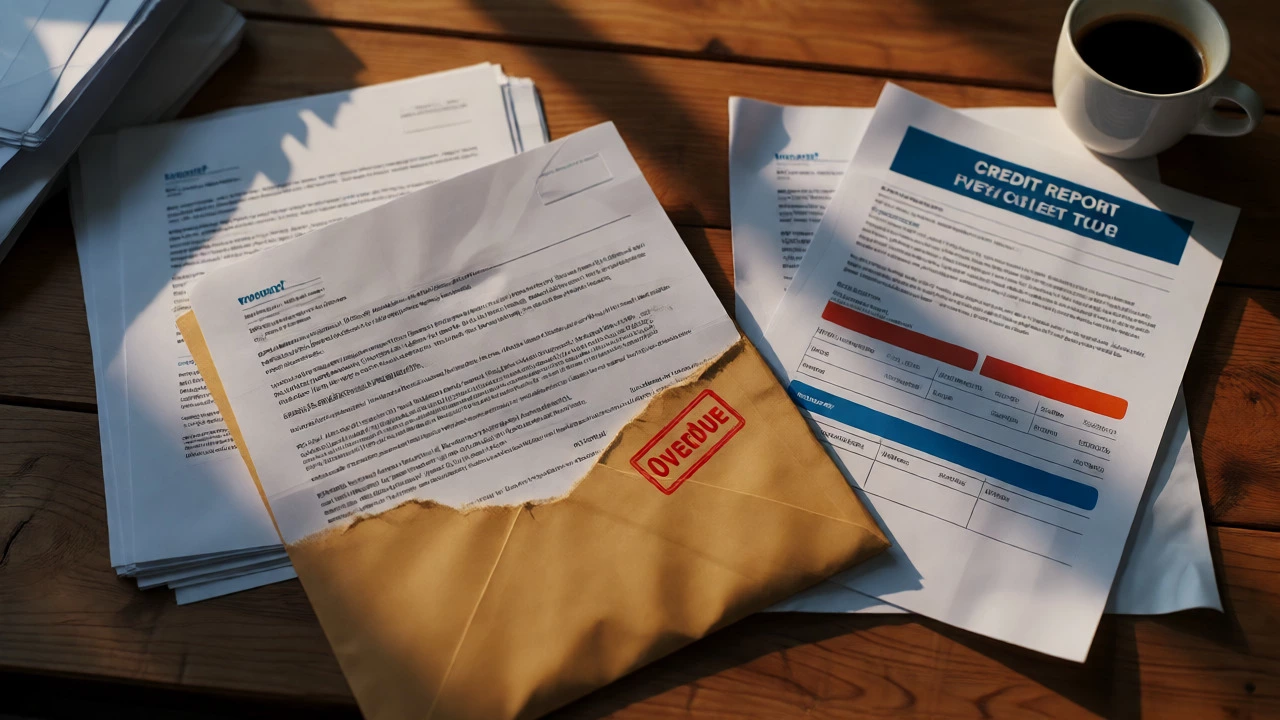
Once a debt collector gets involved, the tone changes. You won’t receive polite reminders anymore. You’ll get formal demands. Under Australian law, specifically the Australian Consumer Law, collectors must follow strict guidelines. They cannot harass you, call at unreasonable hours, or misrepresent the amount owed. But they can report the delinquency to credit reporting agencies like Equifax or Experian.
Here is the reality: a single missed medical bill usually doesn’t tank your credit score instantly. But if it stays unpaid for over 60 days and gets reported as "serious credit infringement," it stays on your file for five years. That can hurt your chances of getting a car loan or a mortgage later.
Impact on Health Insurance and Private Cover
If you have private health insurance, things get trickier. Some policies cover extras like dental and physiotherapy, which often involve direct billing. If you fail to pay your share of the bill (the gap), your insurer might suspend your extras cover until the account is settled. This isn’t universal-it depends on your specific policy terms-but it’s a common clause in many contracts.
Moreover, if you consistently default on payments, some insurers view this as a risk factor. While they rarely cancel comprehensive hospital cover solely for a missed pharmacy bill, repeated defaults across multiple healthcare providers can lead to higher premiums upon renewal or denial of coverage for pre-existing conditions during future claims reviews.
Legal Consequences: Can You Be Sued?
People often ask, "Can I go to jail for not paying a medical bill?" No. Medical debt is civil, not criminal. You won’t be arrested for skipping out on a $50 antibiotic course. However, civil lawsuits are possible, though rare for small amounts.
For debts under $10,000, legal action is usually too expensive for the creditor to justify. They’d spend more on court fees than they’d recover. But if you owe thousands-say, for a long-term chronic condition treatment or a series of expensive private consultations-the provider might sue you. If they win, you could face wage garnishment or seizure of assets. This is uncommon for standard prescriptions but real for high-cost treatments.
| Debt Amount | Likely Action | Credit Impact | Timeframe |
|---|---|---|---|
| $0 - $100 | Internal write-off or minor reminder | Low / None | 30-90 Days |
| $100 - $1,000 | Collections agency contact | Moderate (if reported) | 60-180 Days |
| $1,000+ | Legal threat or lawsuit | High (Serious Infringement) | 6 Months+ |

How to Fix It Before It Gets Worse
Don’t panic. Even if you’ve ignored the bill for months, there are ways to mitigate the damage. Communication is your best tool. Healthcare providers prefer getting paid eventually over chasing ghosts forever.
- Contact the Provider Directly: Call the pharmacy or clinic. Explain your situation honestly. Ask if they can waive late fees or set up a payment plan. Many places will accept a lump sum settlement that is lower than the total owed if you pay immediately.
- Check for Errors: Verify the bill. Did you receive all the medication listed? Was the price correct according to current PBS rates? Sometimes billing errors occur, especially with split-billing between Medicare and private funds.
- Negotiate: If the debt has gone to collections, negotiate. Collectors buy debts for cents on the dollar. Offering to pay 50-70% of the original amount as a full settlement is a common tactic. Get any agreement in writing before sending money.
Remember, once you pay off a debt sent to collections, the mark remains on your credit report, but its status changes to "Paid." Future lenders see this and understand you resolved the issue, which looks better than an open, unpaid red flag.
Preventing Future Payment Stress
Healthcare costs are rising globally. In Sydney, seeing a GP can cost upwards of $80-$100 privately, with only about $40 reimbursed by Medicare. That gap adds up. Here are three practical steps to avoid falling behind again:
- Use Generic Medications: Ask your doctor if a generic version is available. They contain the same active ingredients but cost significantly less. A brand-name drug might be $60, while the generic equivalent is $25.
- Leverage Safety Net Tiers: In Australia, if you exceed certain thresholds for out-of-pocket expenses in a calendar year, you qualify for concession prices on PBS medicines. Keep track of your receipts; you might hit the threshold earlier than you think.
- Set Up Auto-Pay: For recurring chronic conditions, link your bank account to your pharmacy’s app. This ensures bills are paid automatically, removing human error and forgetfulness from the equation.
Treating healthcare payments like utility bills-regular, predictable, and automatic-removes the emotional stress and financial shock. It keeps your relationship with your healthcare providers healthy, ensuring they remain willing to help when you really need them.
Will unpaid prescription bills affect my credit score?
Yes, potentially. Small pharmacy bills are rarely reported unless they go to collections. However, if a debt collector reports it after 60+ days of non-payment, it can appear on your credit report as a serious infringement, lowering your score for up to five years.
Can a pharmacy refuse to give me medicine because I owe them money?
In urgent cases, pharmacists generally dispense life-saving medication regardless of debt. However, for non-urgent refills, they have the right to withhold service until previous balances are cleared, especially if you are using a charge account.
Is there a statute of limitations on medical debt in Australia?
Generally, the limitation period for recovering a debt is six years from the last acknowledgment of the debt or the last payment made. If you ignore it completely, creditors can still pursue it within that timeframe, but proving the debt becomes harder for them over time.
What if I can't afford to pay my prescription co-pay?
Ask your doctor for samples, switch to generics, or apply for pharmaceutical allowance assistance. Many states offer hardship programs or subsidies for low-income earners that reduce PBS costs to a nominal fee per script.
Does Medicare cover all prescription costs?
No. Medicare covers a portion of the cost for PBS-listed medications. You still pay a co-payment (currently around $31.60 for general patients and $7.70 for concession holders). Non-PBS drugs are fully out-of-pocket.