

Physiotherapy Specialist Finder
Not sure which type of physiotherapist you need? Answer a few questions about your condition to find the right specialist.
Why this fits your profile:
You’ve probably heard the term physiotherapy thrown around a lot. Maybe your back hurts after sitting at a desk all day, or perhaps a family member had a stroke and needs help walking again. You book an appointment, expecting one type of treatment, but then you’re confused by terms like "manual therapy," "hydrotherapy," or "respiratory exercises." Here’s the thing: physiotherapy isn’t just one single thing. It’s a broad field that splits into three main pillars based on what part of your body is broken or struggling.
Think of it like going to a mechanic. If your engine is making noise, you see an engine specialist. If your brakes are squeaking, you see a brake specialist. Same goes for your body. The three primary types are Musculoskeletal Physiotherapy, focused on bones, muscles, and joints, Neurological Physiotherapy, dealing with the brain, spinal cord, and nerves, and Cardiopulmonary Physiotherapy, which targets the heart and lungs. Knowing which one you need saves time, money, and frustration. Let’s break down exactly what each one does so you can walk into your next clinic knowing exactly what to ask for.
Musculoskeletal Physiotherapy: The Fixer for Your Frame
This is the type most people picture when they hear "physio." If you’ve ever twisted an ankle playing sports, strained your neck sleeping in a bad position, or developed chronic lower back pain from lifting heavy boxes, this is your lane. Musculoskeletal (MSK) physiotherapy deals with the mechanical parts of your body: bones, muscles, tendons, ligaments, and joints.
The goal here is simple: reduce pain and restore movement. Physios in this area use hands-on techniques called manual therapy. This might involve joint mobilization-where the therapist gently moves a stiff joint to improve its range-or soft tissue massage to release tight muscles. But it’s not just about them doing work on you. A huge part of MSK physio is exercise prescription. They’ll teach you specific stretches and strengthening routines to fix the root cause of the problem, not just mask the symptom.
For example, if you have tennis elbow, an MSK physio won’t just rub ice on it. They’ll analyze how you hold your racket, check your shoulder stability, and give you eccentric loading exercises to strengthen the tendon over time. It’s practical, active, and focused on getting you back to normal life fast.
Neurological Physiotherapy: Retraining the Brain-Body Connection
When the issue isn’t in the muscle itself but in the signals sent to it, you need neurological physiotherapy. This branch focuses on disorders of the nervous system, including the brain, spinal cord, and peripheral nerves. Common conditions treated here include stroke, multiple sclerosis (MS), Parkinson’s disease, cerebral palsy, and spinal cord injuries.
Here’s where things get interesting. Unlike MSK physio, which often aims to heal a tear or reduce inflammation, neuro physio is about neuroplasticity. That’s a fancy word for the brain’s ability to rewire itself. If a stroke damaged the part of the brain controlling your right arm, a neuro physio helps you train other parts of the brain to take over those tasks. It’s repetitive, intensive, and requires patience.
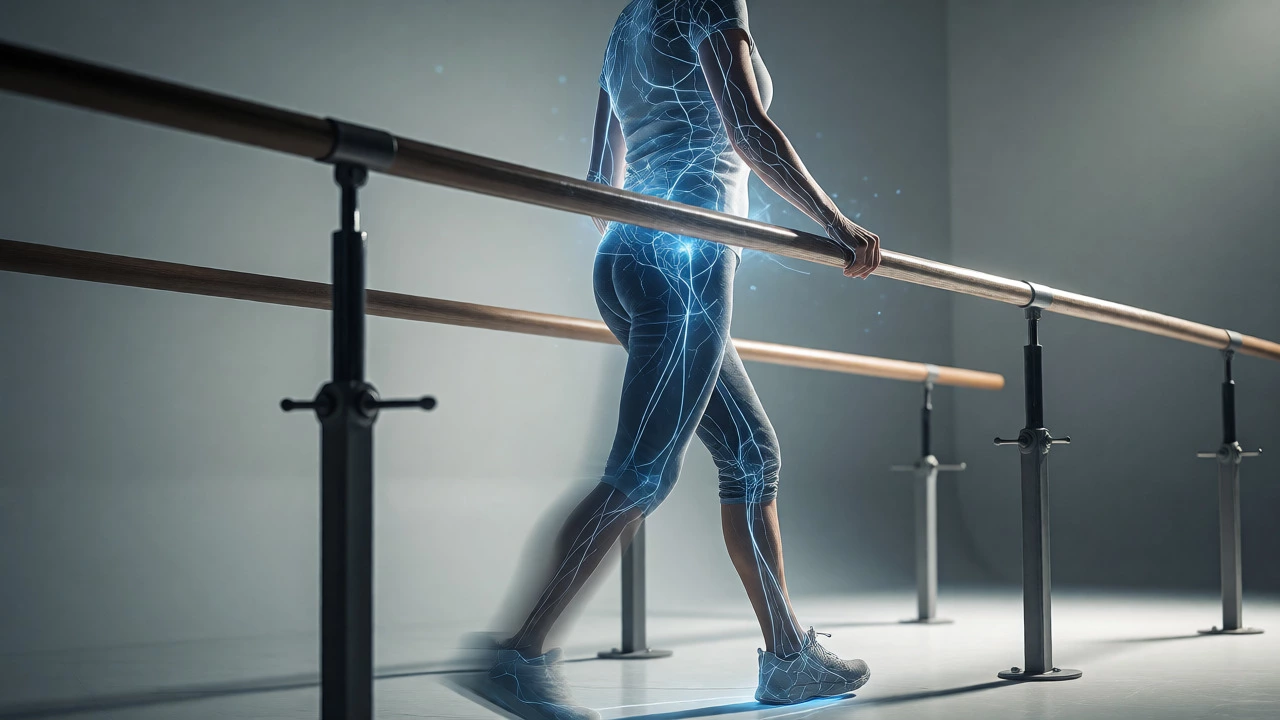
Treatments look different here too. You might see balance training on wobble boards, gait retraining using parallel bars, or constraint-induced movement therapy where the good arm is tied up to force the affected limb to work. It’s less about fixing a joint and more about teaching your body how to move again after the wiring has been disrupted. If you’re caring for someone post-stroke, this is the specialized care you need, not a general sports injury clinic.
Cardiopulmonary Physiotherapy: Helping You Breathe and Move Again
Most people forget that breathing is a physical act involving muscles. Cardiopulmonary (or respiratory) physiotherapy focuses on the heart and lungs. It’s critical for patients recovering from surgeries like heart bypasses, or those managing chronic conditions like Chronic Obstructive Pulmonary Disease (COPD), asthma, cystic fibrosis, or even long-term effects of pneumonia.
If you’ve ever felt short of breath just walking to the mailbox, you know how debilitating it is. Respiratory physios teach breathing techniques to clear mucus from the airways and improve oxygen exchange. Techniques include controlled coughing, deep breathing exercises, and positioning strategies to help expand the lungs fully. For cardiac patients, it’s about safely rebuilding stamina. After a heart attack, jumping straight into gym workouts can be dangerous. A cardio physio monitors your heart rate and blood pressure while gradually increasing activity levels, ensuring your heart gets stronger without being overstressed.
| Feature | Musculoskeletal | Neurological | Cardiopulmonary |
|---|---|---|---|
| Primary Focus | Bones, muscles, joints | Brain, nerves, spinal cord | Heart, lungs, breathing |
| Common Conditions | Back pain, sprains, arthritis | Stroke, MS, Parkinson’s | COPD, post-heart surgery, asthma |
| Key Techniques | Manual therapy, exercise | Gait training, balance drills | Breathing exercises, endurance training |
| Goal | Pain relief & mobility | Functional independence | Improved oxygenation & stamina |
How to Choose the Right Specialist Near You
So, you’re searching for "physiotherapy near me" because something hurts or feels wrong. How do you pick the right person? First, look at their credentials and specializations. In Australia, all registered physios must be registered with the Physiotherapy Board of Australia, but many go further with endorsements in specific areas like sports or neurology.
Check their website or call the clinic before booking. Ask direct questions: "Do you treat stroke survivors?" or "Are you experienced with COPD management?" A clinic that claims to do everything equally well might actually be a jack-of-all-trades, master-of-none situation. If you have a complex neurological condition, a general sports physio might not have the depth of experience needed. Conversely, if you just have a sore knee from running, you don’t need a highly specialized neuro clinic; you need someone skilled in biomechanics and load management.
Also, consider the setting. Some clinics are hospital-based, which is great for acute post-surgical care. Others are private community practices, better suited for ongoing chronic pain management. Location matters, yes, but relevance matters more. Driving an extra ten minutes to see a specialist who understands your specific condition is usually worth it compared to seeing a generalist five minutes away who doesn’t.

What Happens During Your First Session?
No matter which type you choose, the first session follows a similar pattern. Expect a detailed history taking. The physio will ask about your pain levels, when it started, what makes it worse, and your medical history. Don’t hide anything-medications, previous surgeries, and lifestyle habits all play a role.
Then comes the physical assessment. For MSK, this means moving your limbs through ranges of motion and testing strength. For Neuro, they’ll check reflexes, coordination, and balance. For Cardio, they’ll listen to your chest, measure oxygen saturation, and watch how you breathe. After this, they’ll create a plan. This isn’t a one-size-fits-all deal. A good physio will explain why they’re suggesting certain exercises. Understanding the "why" improves compliance, and compliance is half the battle in recovery.
Common Misconceptions About Physiotherapy
One big myth is that physio is only for athletes or elderly people. Wrong. Kids with posture issues, office workers with wrist pain, and new mothers dealing with pelvic floor dysfunction all benefit. Another myth is that it’s just massages. While manual therapy is a tool, modern physio is heavily evidence-based and relies on active participation. If you sit there passively while someone rubs your back, you’re likely not getting the full benefit.
People also think it’s painful. It shouldn’t be excruciating. Some discomfort during stretching or strengthening is normal, especially if you’ve been inactive, but sharp pain is a red flag. Communicate with your therapist. Good physios adjust intensity in real-time. And finally, some believe one session fixes everything. Real change takes time. Tissue healing and neural rewiring happen over weeks and months, not hours.
Can one physiotherapist treat all three types?
While all physiotherapists are trained in the basics of all three areas during their degree, most specialize. A general practitioner might handle mild MSK issues and basic rehab, but complex neurological or cardiopulmonary cases usually require a specialist with advanced post-graduate training and clinical experience in that specific field.
Is physiotherapy covered by health insurance in Australia?
Yes, typically through private health insurance extras cover or Medicare Chronic Disease Management plans if you have a chronic condition lasting more than six months. However, coverage limits vary, so always check with your provider before starting treatment.
How many sessions of physiotherapy do I need?
It depends entirely on the condition. A simple muscle strain might resolve in 3-5 sessions. Post-stroke rehabilitation could take months or years of weekly visits. Your physio should provide an estimated timeline after the initial assessment, but flexibility is key as progress varies per individual.
What is the difference between physiotherapy and osteopathy?
Both focus on manual therapy and body mechanics. However, physiotherapy places a stronger emphasis on active exercise prescription, functional restoration, and scientific evidence-based practice. Osteopathy tends to focus more on holistic structural alignment and may use more manipulative techniques. Many patients find both helpful, but the approach differs.
Should I rest completely if I’m in pain?
Not necessarily. Modern guidelines suggest "relative rest" rather than total bed rest. Moving within pain-free limits helps prevent stiffness and muscle wasting. A physiotherapist can guide you on safe activities to maintain function while healing occurs.