
Substance Abuse and Mental Health: How They Connect and What Helps
When someone struggles with substance abuse, a pattern of using drugs or alcohol despite harmful consequences. Also known as addiction, it often isn’t just about the substance—it’s tied to deeper emotional pain. Many people turn to alcohol, pills, or other drugs to quiet anxiety, numb trauma, or escape depression. But instead of fixing the problem, it makes it worse. This mix of mental health issues and substance use is called dual diagnosis, when a person has both a mental health condition and a substance use disorder at the same time. It’s not rare. In fact, nearly half of people with serious mental illness also deal with addiction at some point.
Mental health, your emotional, psychological, and social well-being. Also known as emotional health, it affects how you think, feel, and handle stress doesn’t just show up as sadness or panic. It can show up as insomnia, anger, isolation, or even physical pain. And when you’re in chronic pain—like from an old injury or nerve damage—you’re more likely to reach for something to make it stop. That’s where substance abuse creeps in. The two feed each other. Depression makes you want to drink. Drinking makes your depression worse. Anxiety leads to pills. Pills lead to dependence. It’s a loop that’s hard to break alone.
Recovery doesn’t mean just quitting the substance. It means healing the mind too. Therapy, support groups, and even massage therapy can help. Massage isn’t just for sore muscles. For people in recovery, it lowers cortisol, reduces muscle tension from stress, and helps the body feel safe again. It’s not a cure, but it’s part of rebuilding. You’ll find posts here that talk about pain management without pills, how therapy works for trauma, and what actually helps people stay clean. These aren’t theory pieces—they’re real stories and practical steps from people who’ve been there.
If you’re dealing with this, you’re not broken. You’re not weak. You’re human. And help doesn’t always come in the form of a prescription. Sometimes, it comes from someone listening. Sometimes, it comes from your body finally relaxing after years of being on high alert. What follows are real insights—from experts and people who’ve walked this path—on how to break the cycle, one step at a time.
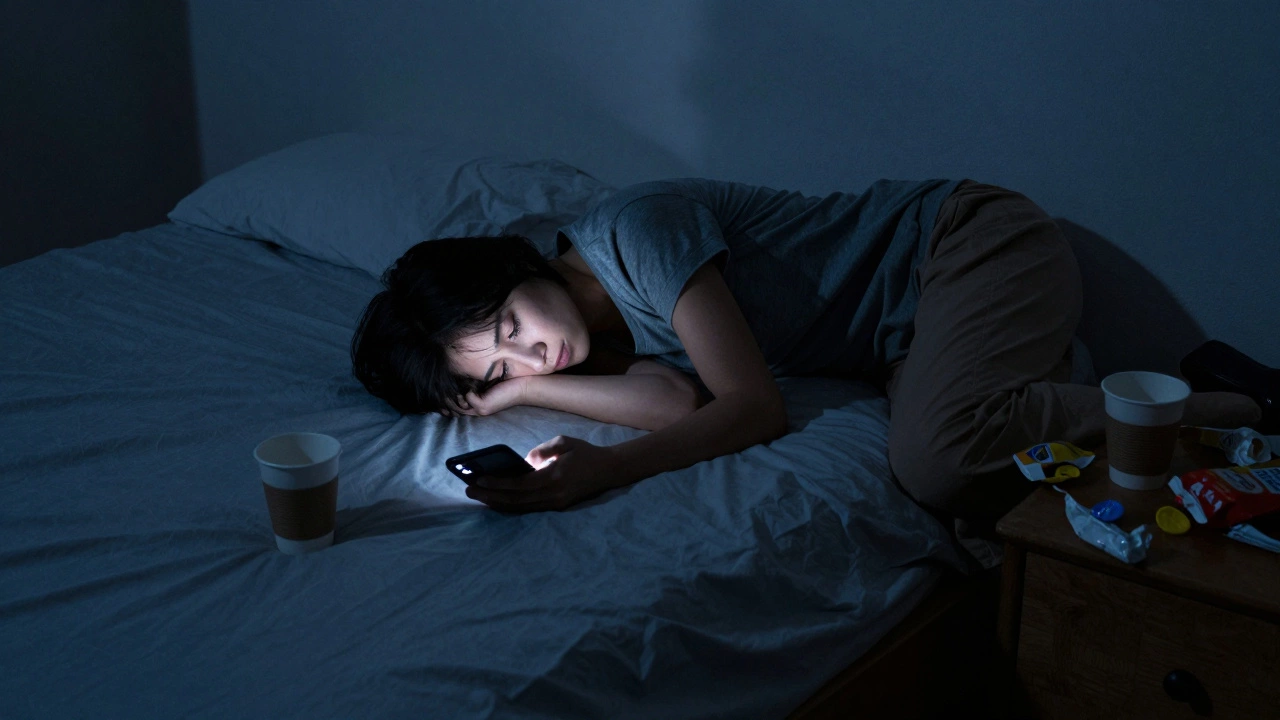
What Might Worsen a Person's Mental Health? Common Triggers and How to Avoid Them
Common factors that worsen mental health include chronic stress, isolation, poor sleep, unhealthy diet, and substance use. Learn how daily habits quietly damage well-being-and what small changes can help.
Categories: Mental Health Support
0