
Isolation and Mental Health: How Loneliness Affects Your Mind and Body
When you spend too much time alone, your brain doesn’t just miss company—it starts to change. Isolation mental health, the psychological toll of prolonged social disconnection. It’s not just feeling sad—it’s a physical stress response that raises cortisol, weakens your immune system, and rewires how you process emotions. This isn’t something that happens overnight. It creeps in after job loss, after moving cities, after a breakup, or after years of working remotely with no face-to-face contact. And it’s more common than you think: studies show people who report chronic loneliness are 50% more likely to develop depression and anxiety.
Social isolation, the lack of meaningful human contact doesn’t always mean being physically alone. You can be surrounded by people and still feel utterly disconnected. That’s why chronic loneliness, a persistent feeling of being unseen or unvalued is so dangerous. It’s not the same as enjoying quiet time. It’s the kind of emptiness that makes you avoid calls, cancel plans, and scroll for hours just to feel something. And over time, it doesn’t just hurt your mood—it affects your sleep, your appetite, even your pain tolerance. People with long-term loneliness report higher levels of chronic pain, which is why many turn to therapeutic massage not just for muscle relief, but to reconnect with their bodies after feeling emotionally numb.
What’s missing in most conversations about isolation is the body’s role. Your nervous system doesn’t know the difference between being ignored by a friend and being chased by a predator. It reacts the same way: tense muscles, shallow breathing, racing heart. That’s why therapies that focus on physical grounding—like massage, movement, or breathwork—can be just as powerful as talking to a counselor. You don’t need to fix everything at once. Sometimes, just being touched gently by a trained professional can signal to your brain: you’re safe here.
Below, you’ll find real stories and research-backed insights from people who’ve walked through isolation and found ways back—not through grand gestures, but through small, consistent steps. Whether it’s learning how to manage pain when you feel emotionally drained, understanding how mental health treatments actually work, or seeing how others rebuilt connection after loss, these posts offer practical paths forward. No theory. No fluff. Just what helps.
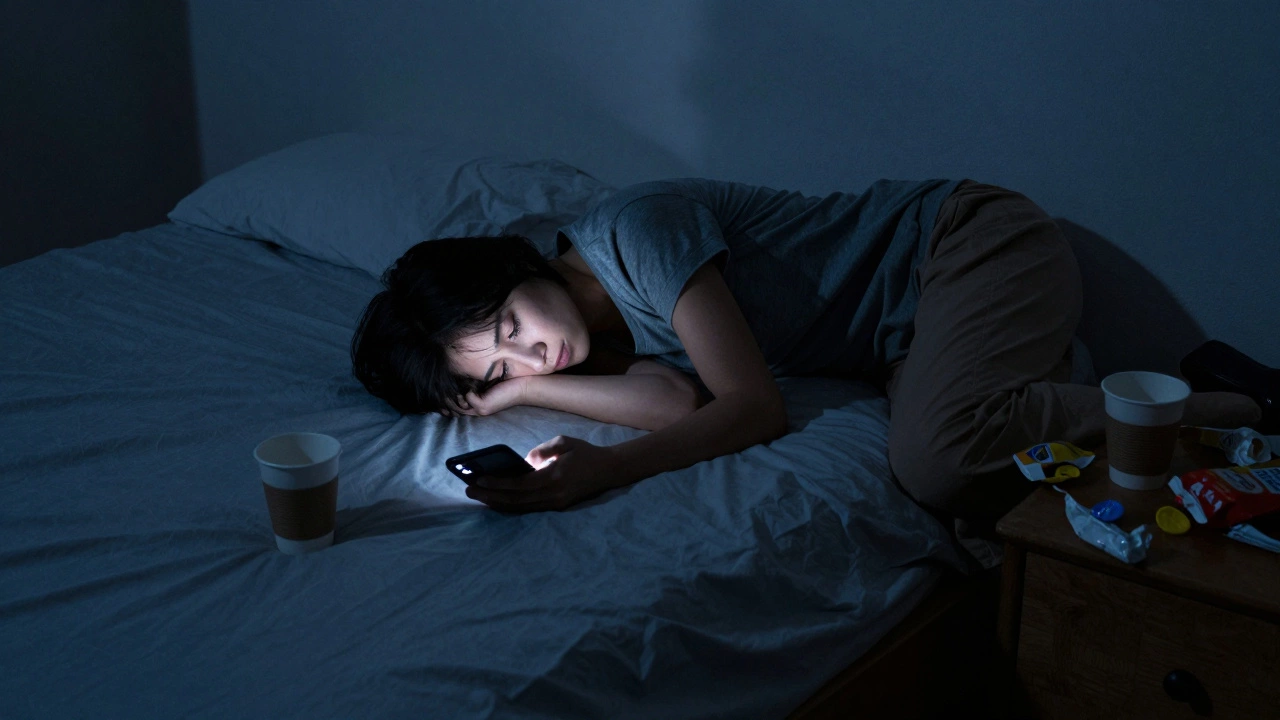
What Might Worsen a Person's Mental Health? Common Triggers and How to Avoid Them
Common factors that worsen mental health include chronic stress, isolation, poor sleep, unhealthy diet, and substance use. Learn how daily habits quietly damage well-being-and what small changes can help.
Categories: Mental Health Support
0