
Neuroplasticity Recovery Roadmap Builder
Your Profile
Configure your settings to generate a safe, personalized protocol.
Your Daily Neuro-Routine Checklist
Ready to Rewire?
Select your profile on the left to generate your personalized 4-week neuroplasticity roadmap.
You know that feeling. You’ve had the scan. The doctor says your tissues are healing, or perhaps there’s nothing structurally wrong at all. Yet, the ache remains. It burns, it throbs, it refuses to let go. For years, we were told that pain is a direct signal of tissue damage-a warning light on your dashboard. But what if the light is stuck on, even after the engine has cooled down?
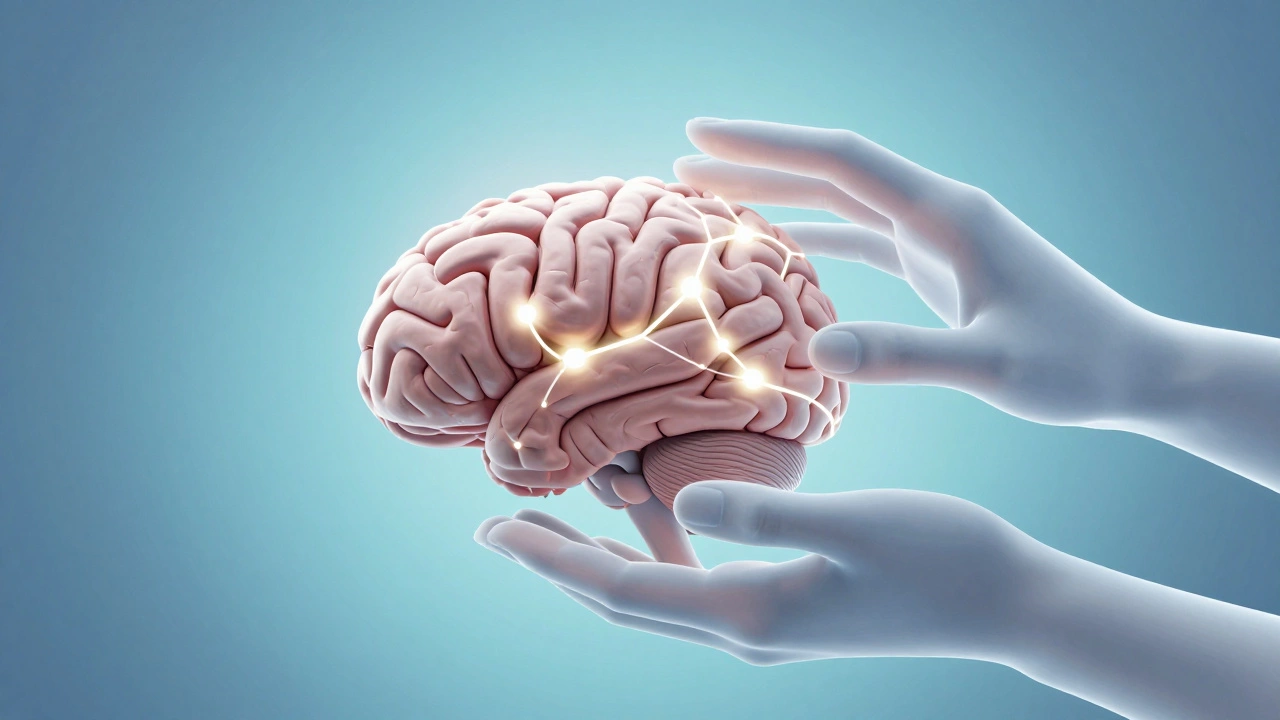
The good news is that you don’t have to live with this static noise. Your brain is not a hard drive; it’s more like clay. It changes shape based on what you do with it. This ability is called neuroplasticity, which is the brain's lifelong capacity to reorganize itself by forming new neural connections. When applied to chronic pain, defined as pain lasting longer than three months that persists beyond normal tissue healing time, neuroplasticity offers a way out. You can literally train your nervous system to turn down the volume.
Understanding Central Sensitization
To rewire your brain, you first need to understand why it got wired wrong in the first place. In acute pain-like touching a hot stove-the signal travels from your hand to your spinal cord and up to your brain. The brain says, "Danger! Pull away!" Then, when the threat is gone, the alarm stops.
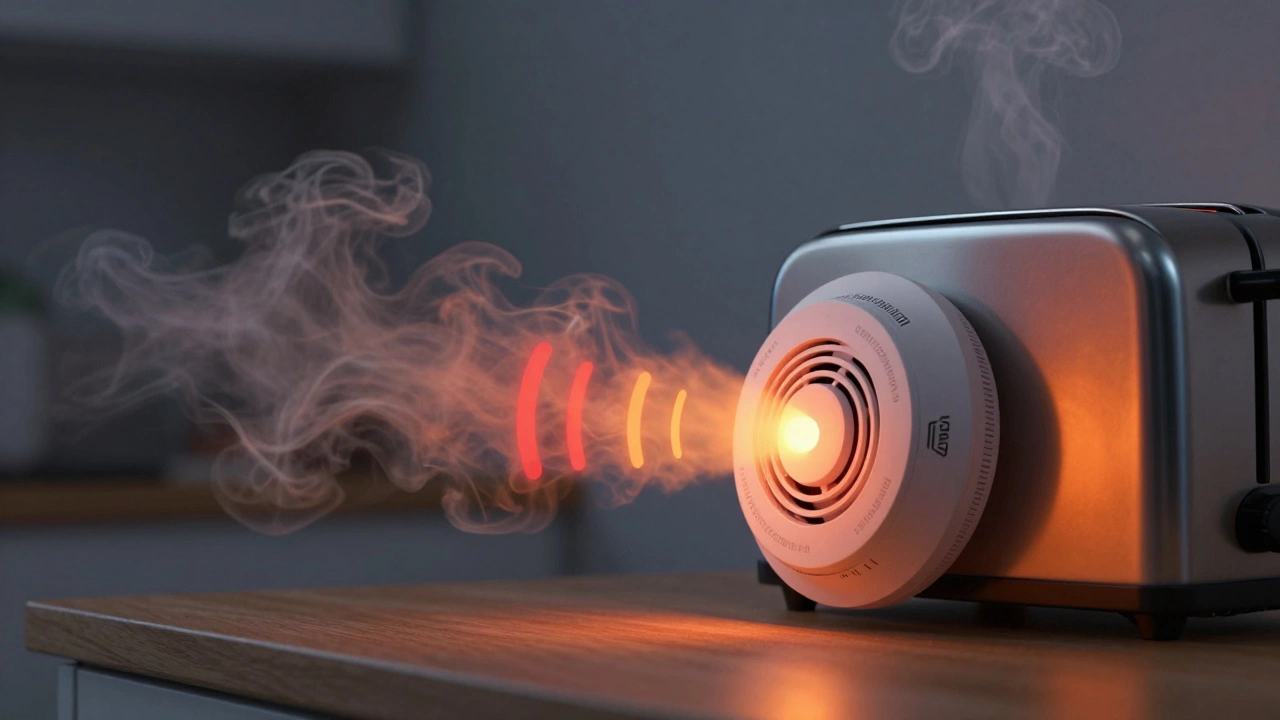
In chronic pain, the alarm system breaks. This condition is often driven by central sensitization, a state where the central nervous system becomes hypersensitive to stimuli that are not normally painful. Imagine a smoke detector that goes off every time you toast bread. The fire isn’t there, but the detector is so sensitive that it interprets steam as smoke. Your nerves have become overactive, amplifying signals that should be harmless.
This isn't "all in your head" in the sense that it's imaginary. The pain is real. But the source has shifted from damaged tissue to an overprotective nervous system. Recognizing this shift is the first step toward changing it. You stop fighting the pain as an enemy and start treating it as a malfunctioning software update that needs debugging.
The Role of Fear and the Amygdala
Your brain has a security guard called the amygdala, an almond-shaped structure responsible for processing emotions, particularly fear and anxiety. When you’re in pain, the amygdala gets hyperactive. It scans for threats everywhere. A slight breeze feels like a knife. A gentle touch feels like sandpaper.
This creates a vicious cycle. Pain causes fear. Fear increases muscle tension and alertness. Increased alertness sends more signals to the brain, which interprets them as danger, causing more pain. To break this loop, you need to calm the amygdala. You do this by proving to your brain that movement and activity are safe.
Consider the concept of "threat value." If you believe moving your back will cause catastrophic damage, your brain assigns a high threat value to that movement. Consequently, it ramps up pain signals to protect you. If you can lower that threat value through gradual exposure and education, the pain signals naturally decrease.
Pain Neuroscience Education (PNE)
One of the most effective tools for rewiring your brain is Pain Neuroscience Education, or PNE, which is a therapeutic approach that teaches patients about the biological mechanisms of pain. Studies show that simply understanding how pain works can reduce its intensity. Why? Because knowledge reduces uncertainty, and uncertainty fuels fear.
When you learn that pain is an output of the brain-not just an input from the body-you gain agency. You realize that factors like stress, sleep, and mood influence pain levels just as much as physical injury does. This shifts your focus from "What is broken?" to "How can I calm my system?"
Try this exercise: Keep a pain diary for a week. Note your pain level alongside your stress level, sleep quality, and activity. You’ll likely see patterns. High stress equals higher pain. Good sleep equals lower pain. These correlations prove that your internal state drives the pain experience, giving you leverage to change it.
Movement as Medicine
Avoidance is the enemy of recovery. When you hurt, your instinct is to rest. Rest is great for acute injuries. For chronic pain, prolonged rest leads to deconditioning. Your muscles weaken, your joints stiffen, and your brain interprets stillness as weakness. Weakness signals vulnerability. Vulnerability triggers protection. Protection means pain.
The solution is graded exposure. Start small. If walking hurts, walk for two minutes. Then five. Then ten. The goal isn’t to push through pain; it’s to move within your comfort zone and gradually expand it. This process is known as graded motor imagery, a technique involving gradual exposure to movement representations to desensitize the brain.
Here is a simple protocol:
- Week 1: Focus on breathing and gentle range-of-motion exercises that do not increase pain.
- Week 2: Add low-impact activities like swimming or cycling for 10 minutes.
- Week 3: Increase duration by 5 minutes each session.
- Week 4: Introduce strength training with light resistance.
Consistency matters more than intensity. Moving every day, even slightly, tells your brain, "We are safe. We are strong. We are functional." Over time, the brain updates its map of your body, reducing the protective pain signals.
Mindfulness and Meditation
You cannot control the initial nerve signal, but you can control how your brain processes it. Mindfulness meditation helps decouple the sensation of pain from the suffering associated with it. Think of pain as rain. You can’t stop the rain, but you can choose whether to stand outside soaking wet or open an umbrella.
Regular mindfulness practice thickens the prefrontal cortex, the part of the brain responsible for rational thought and emotional regulation. A thicker prefrontal cortex acts as a brake on the amygdala’s fear response. Research indicates that just eight weeks of mindfulness-based stress reduction (MBSR) can significantly reduce chronic pain severity.
Start with five minutes a day. Sit comfortably. Close your eyes. Focus on your breath. When thoughts arise-especially thoughts about pain-acknowledge them without judgment, then return to your breath. Don’t try to eliminate the pain; just observe it. Notice its texture, temperature, and location. By observing rather than reacting, you reduce the emotional charge of the pain.

Sleep and Stress Management
Sleep is the foundation of neuroplasticity. During deep sleep, your brain clears out metabolic waste and consolidates learning. If you’re not sleeping well, your brain stays in a heightened state of alertness. This makes pain feel worse, which makes sleep harder, creating a downward spiral.
Prioritize sleep hygiene. Keep your room cool and dark. Avoid screens an hour before bed. Establish a consistent bedtime routine. If you wake up in pain, try progressive muscle relaxation. Tense each muscle group for five seconds, then release. Move from your toes to your head. This physical release signals safety to your nervous system.
Stress management is equally critical. Chronic stress keeps cortisol levels elevated, which promotes inflammation and sensitizes nerve endings. Techniques like diaphragmatic breathing, yoga, or spending time in nature can lower cortisol. Even a ten-minute walk outside can reset your nervous system’s baseline.
Diet and Gut Health
Your gut and your brain are connected via the vagus nerve. An unhealthy gut can send inflammatory signals to the brain, exacerbating pain. Conversely, a healthy gut produces neurotransmitters like serotonin, which modulate pain perception.
Foods high in omega-3 fatty acids, such as salmon, walnuts, and flaxseeds, have anti-inflammatory properties. Turmeric and ginger also help reduce systemic inflammation. On the other hand, processed sugars and refined carbs can spike inflammation. Try keeping a food diary to identify triggers. You might find that certain foods correlate with flare-ups.
Hydration is also key. Dehydrated tissues are more prone to irritation. Aim for at least two liters of water a day. Add electrolytes if you sweat heavily. Simple changes in diet can have profound effects on how your brain perceives pain.
| Strategy | Mechanism | Timeframe for Results | Difficulty Level |
|---|---|---|---|
| Pain Neuroscience Education | Reduces fear and threat perception | Immediate to 2 weeks | Low |
| Graded Exercise | Desensitizes nervous system through movement | 4-8 weeks | Medium |
| Mindfulness Meditation | Strengthens prefrontal cortex, calms amygdala | 6-8 weeks | Medium |
| Sleep Hygiene | Restores neurological balance | 1-3 weeks | Low |
| Anti-inflammatory Diet | Reduces systemic inflammation | 2-4 weeks | Medium |
Building a Sustainable Routine
Rewiring your brain doesn’t happen overnight. It requires patience and consistency. Think of it like building a muscle. You wouldn’t expect to lift heavy weights after one gym session. Similarly, you won’t eliminate chronic pain after one meditation session.
Create a daily routine that includes elements of education, movement, mindfulness, and self-care. Track your progress. Celebrate small wins. Did you walk further today? Did you sleep better? Did you notice pain with less fear? These are victories.
Remember, you are not broken. Your brain is doing its job too well. It’s trying to protect you. Your task is to teach it that the war is over. With time, effort, and the right strategies, you can retrain your nervous system to find peace again.
How long does it take to rewire the brain for pain relief?
Neuroplasticity is a gradual process. Most people begin to notice subtle changes in pain perception within 4 to 8 weeks of consistent practice. Significant improvements often occur between 3 to 6 months. The timeline varies depending on the duration of chronic pain, individual biology, and adherence to the treatment plan. Patience is crucial, as the brain needs repeated positive experiences to update its maps.
Can neuroplasticity cure all types of chronic pain?
Neuroplasticity techniques are highly effective for pain conditions driven by central sensitization, such as fibromyalgia, chronic lower back pain, and neuropathic pain. However, they may not fully resolve pain caused by ongoing structural damage or active disease processes. In such cases, a multidisciplinary approach combining medical treatment with neuroplasticity strategies yields the best results.
Is pain neuroscience education scientifically proven?
Yes, numerous randomized controlled trials support the efficacy of Pain Neuroscience Education (PNE). Meta-analyses have shown that PNE reduces pain intensity, disability, and fear-avoidance beliefs. It is now considered a standard component of biopsychosocial pain management guidelines worldwide. Understanding the mechanism of pain empowers patients to take an active role in their recovery.
What should I do if pain increases during exercise?
If pain increases during exercise, scale back the intensity or duration. The goal is to stay within a comfortable range, typically rated 0-3 out of 10. Sharp, shooting, or worsening pain is a sign to stop. Gradual progression is key. Pushing too hard too fast can reinforce the brain's belief that movement is dangerous. Consult a physiotherapist to tailor a program to your specific needs.
How does stress affect chronic pain levels?
Stress activates the sympathetic nervous system, releasing hormones like cortisol and adrenaline. These hormones heighten sensory awareness and lower the pain threshold. Chronic stress keeps the body in a constant state of fight-or-flight, which amplifies pain signals. Managing stress through mindfulness, breathing exercises, and adequate sleep is essential for breaking the pain-stress cycle.
Are there medications that support neuroplasticity?
Some medications, such as certain antidepressants (SNRIs) and anticonvulsants, can help modulate pain signaling and create a window of opportunity for neuroplasticity to occur. They do not rewire the brain directly but can reduce the noise, making it easier to engage in behavioral therapies. Always consult a healthcare provider before starting or changing any medication regimen.
Can diet really impact chronic pain?
Yes, diet plays a significant role in inflammation and gut health, both of which influence pain perception. Anti-inflammatory diets rich in omega-3s, antioxidants, and fiber can reduce systemic inflammation. Conversely, high-sugar and processed foods can exacerbate inflammation. While diet alone may not cure chronic pain, it is a powerful adjunct therapy that supports overall neurological health.
What is the difference between acute and chronic pain?
Acute pain is a direct response to tissue injury and serves as a protective warning signal. It usually resolves as the tissue heals. Chronic pain persists beyond the normal healing time, often lasting more than three months. Unlike acute pain, chronic pain involves changes in the nervous system, such as central sensitization, where the brain amplifies pain signals even in the absence of ongoing tissue damage.