
Mental Wellness & Resilience Estimator
How are you doing right now?
Select the option that best describes your last week.Your Resilience Score
-- / 10
Recommended Actions:
Select options on the left and click calculate to see your personalized insights.
Feeling stuck in a cycle of anxiety, depression, or emotional exhaustion is more common than you might think. Many people wonder if there is a way to truly fix mental health issues, or if they are just destined to manage symptoms forever. The truth is that mental health isn't something you "break" and then "repair" like a car engine. It’s a dynamic state influenced by biology, environment, and habits. However, with the right tools and support, you can significantly improve your quality of life and regain control.
The journey starts with understanding that healing is not linear. It requires patience, consistency, and often, professional guidance. Whether you are dealing with mild stress or a diagnosed condition, taking proactive steps today can lead to profound changes tomorrow. In a world where distractions are constant, finding clarity is essential. Some people find that exploring different environments or even looking into resources like this directory helps them understand personal boundaries and social dynamics, though for clinical issues, professional therapy remains the gold standard.
Understanding the Roots of Mental Distress
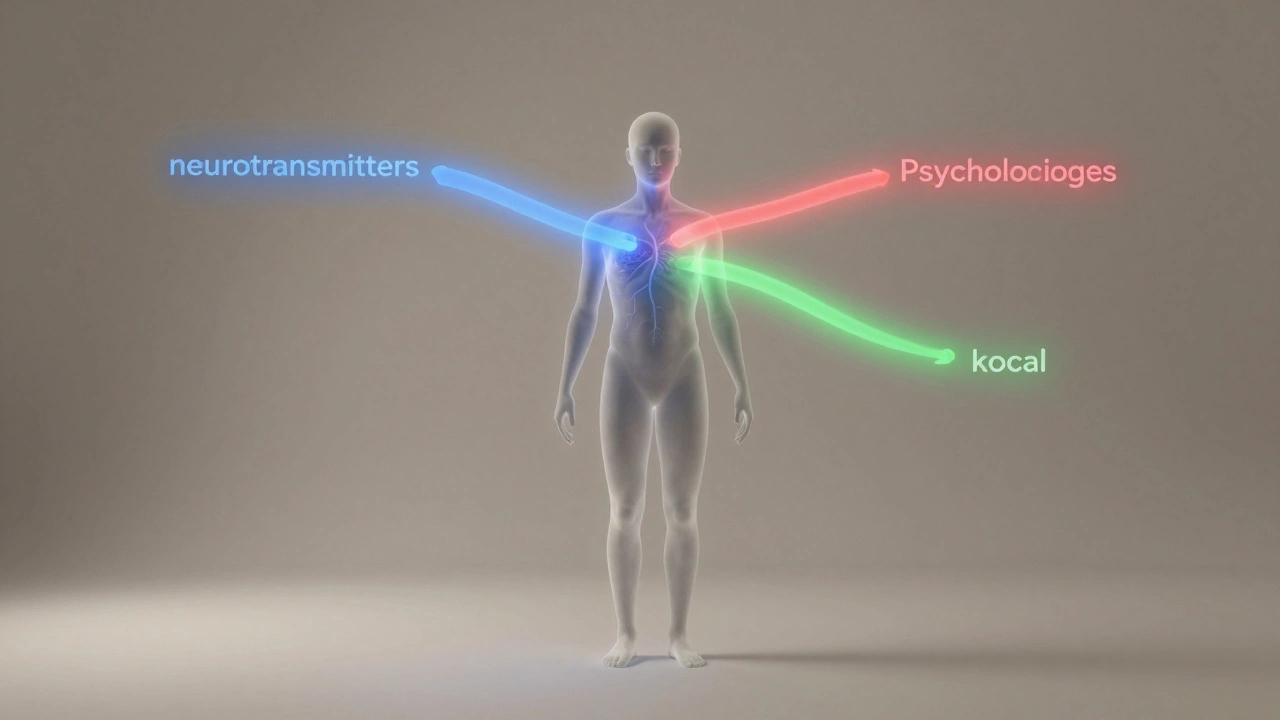
Before you can address mental health challenges, you need to understand what drives them. Mental health issues rarely appear out of nowhere. They are usually the result of a combination of factors. Genetics play a role; if your parents struggled with anxiety or depression, you may be more predisposed to it. But genetics are only part of the story.
Environmental stressors are often the trigger. Chronic work pressure, financial instability, relationship conflicts, or trauma can overwhelm your coping mechanisms. Your brain responds to these stressors by releasing cortisol, the stress hormone. When cortisol levels stay high for too long, it affects your sleep, mood, and ability to concentrate. Recognizing these triggers is the first step toward managing them.
- Biological Factors: Imbalances in neurotransmitters like serotonin and dopamine.
- Psychological Factors: Negative thought patterns, low self-esteem, or unresolved trauma.
- Social Factors: Isolation, lack of support systems, or high-stress living conditions.
By identifying which of these areas is affecting you most, you can tailor your approach. For some, medication is necessary to correct biological imbalances. For others, therapy is key to rewriting negative psychological narratives. Understanding your unique mix of factors allows you to stop blaming yourself and start seeking effective solutions.
The Power of Professional Therapy
Therapy is not just for crisis moments. It is a proactive tool for building resilience and understanding yourself better. One of the most effective forms of therapy is Cognitive Behavioral Therapy (CBT). CBT works on the premise that your thoughts influence your feelings and behaviors. If you constantly think, "I am not good enough," you will feel sad and withdraw from social situations. CBT helps you identify these distorted thoughts and replace them with more realistic ones.
Another popular approach is Dialectical Behavior Therapy (DBT), which is particularly helpful for emotional regulation. DBT teaches skills in mindfulness, distress tolerance, emotion regulation, and interpersonal effectiveness. This is especially useful for people who struggle with intense emotions or impulsive behaviors.
When choosing a therapist, look for someone who specializes in your specific issue. A therapist who focuses on anxiety may use different techniques than one who specializes in grief or trauma. Don’t be afraid to switch therapists if you don’t feel a connection. The therapeutic alliance-the bond between you and your therapist-is one of the strongest predictors of successful outcomes.

Lifestyle Changes That Support Mental Health
While therapy addresses the mind, lifestyle changes support the body. You cannot think your way out of a problem if your body is exhausted. Sleep, nutrition, and exercise are the pillars of mental well-being.
Sleep Hygiene: Poor sleep exacerbates almost every mental health issue. Aim for 7-9 hours of quality sleep each night. Keep a consistent sleep schedule, avoid screens before bed, and create a dark, cool sleeping environment. If you struggle with insomnia, consider speaking to a doctor about sleep aids or cognitive behavioral therapy for insomnia (CBT-I).
Nutrition: Your gut health is closely linked to your brain health. The gut-brain axis means that what you eat directly impacts your mood. Diets high in processed sugars and fats can increase inflammation and worsen anxiety. Focus on whole foods, omega-3 fatty acids (found in fish and flaxseeds), and probiotics. Stay hydrated, as even mild dehydration can affect concentration and mood.
Exercise: Physical activity is a powerful antidepressant. Exercise releases endorphins, dopamine, and serotonin, which boost your mood. You don’t need to run marathons; even a 30-minute walk daily can make a significant difference. Choose activities you enjoy, whether it’s dancing, swimming, or yoga, so you’re more likely to stick with them.
Mindfulness and Stress Reduction Techniques
In our fast-paced world, mindfulness has become a buzzword, but its benefits are backed by science. Mindfulness involves paying attention to the present moment without judgment. It helps break the cycle of rumination-dwelling on past mistakes or worrying about future uncertainties.
You can practice mindfulness through meditation, deep breathing exercises, or simply being fully present during daily activities like eating or walking. Start with just five minutes a day. Use apps or guided recordings if you’re new to meditation. Over time, you’ll notice that you react less impulsively to stressors and have a greater sense of calm.
Progressive Muscle Relaxation (PMR) is another technique worth trying. It involves tensing and then relaxing different muscle groups in your body. This helps you recognize physical tension and release it, which is particularly helpful for anxiety-related physical symptoms like headaches or muscle pain.

Building a Strong Support System
No one heals in isolation. Social connections are vital for mental health. Talk to friends, family, or support groups about what you’re going through. Sharing your burden lightens it. Sometimes, just knowing that someone understands can reduce feelings of loneliness and shame.
If you don’t have a strong personal network, consider joining community groups or online forums related to your interests or challenges. Volunteering can also be a great way to connect with others while giving back to the community. Helping others often boosts your own sense of purpose and well-being.
Set boundaries with people who drain your energy. It’s okay to say no to commitments that overwhelm you. Protect your peace and prioritize relationships that are supportive and reciprocal.
When to Seek Immediate Help
While self-care and therapy are powerful, some situations require immediate professional intervention. If you experience thoughts of harming yourself or others, severe panic attacks, or an inability to perform daily tasks, seek help right away. Contact a crisis hotline, go to the nearest emergency room, or call a trusted person in your life.
Remember, asking for help is a sign of strength, not weakness. Mental health professionals are trained to provide compassionate, evidence-based care. They can offer resources, referrals, and treatment plans tailored to your needs.
Can mental health issues be completely cured?
For many people, mental health issues can be managed effectively to the point where symptoms are minimal or absent. While some conditions may be chronic, treatment can allow individuals to live full, productive lives. The goal is often management and resilience rather than a permanent "cure."
How long does therapy take to work?
The duration varies depending on the individual and the issue. Short-term therapies like CBT may show results in 12-20 sessions. Long-term psychodynamic therapy can last months or years. Consistency is key; regular attendance and practicing skills outside of sessions accelerate progress.
Is medication necessary for mental health?
Medication is not always necessary. For mild cases, therapy and lifestyle changes may suffice. However, for moderate to severe conditions, medication can be crucial in balancing brain chemistry and making therapy more effective. Always consult a psychiatrist for personalized advice.
What are the signs that I need professional help?
Signs include persistent sadness or anxiety, changes in sleep or appetite, difficulty concentrating, withdrawal from social activities, and thoughts of self-harm. If these symptoms interfere with your daily life for more than two weeks, seek professional evaluation.
How can I find a good therapist?
Look for licensed professionals specializing in your issue. Check reviews, ask for referrals from doctors or friends, and consider initial consultations to gauge compatibility. Insurance networks and online directories can also help locate providers.