
UK Dental Implant Affordability Calculator
1. Estimate Your Costs
2. Financing & Savings Analysis
Base Procedure Cost: £0
Add-ons: £0
Total Upfront Quote: £0
Financing Options
| Option | Term | Est. Monthly | Total Interest |
|---|
Imagine standing in front of a mirror, smiling, but hiding your teeth because you’re missing a few. Now imagine being told that fixing this gap will cost you more than a used car. That’s the reality for many people considering dental implants in the UK. They are the gold standard for tooth replacement, offering stability and aesthetics that dentures simply can’t match. But with price tags often ranging from £2,000 to £3,500 per implant, affordability is the biggest hurdle. The good news? You don’t need a lottery win to get them. There are practical ways to manage these costs, from leveraging public healthcare to smart financing strategies.
Understanding the True Cost of Dental Implants
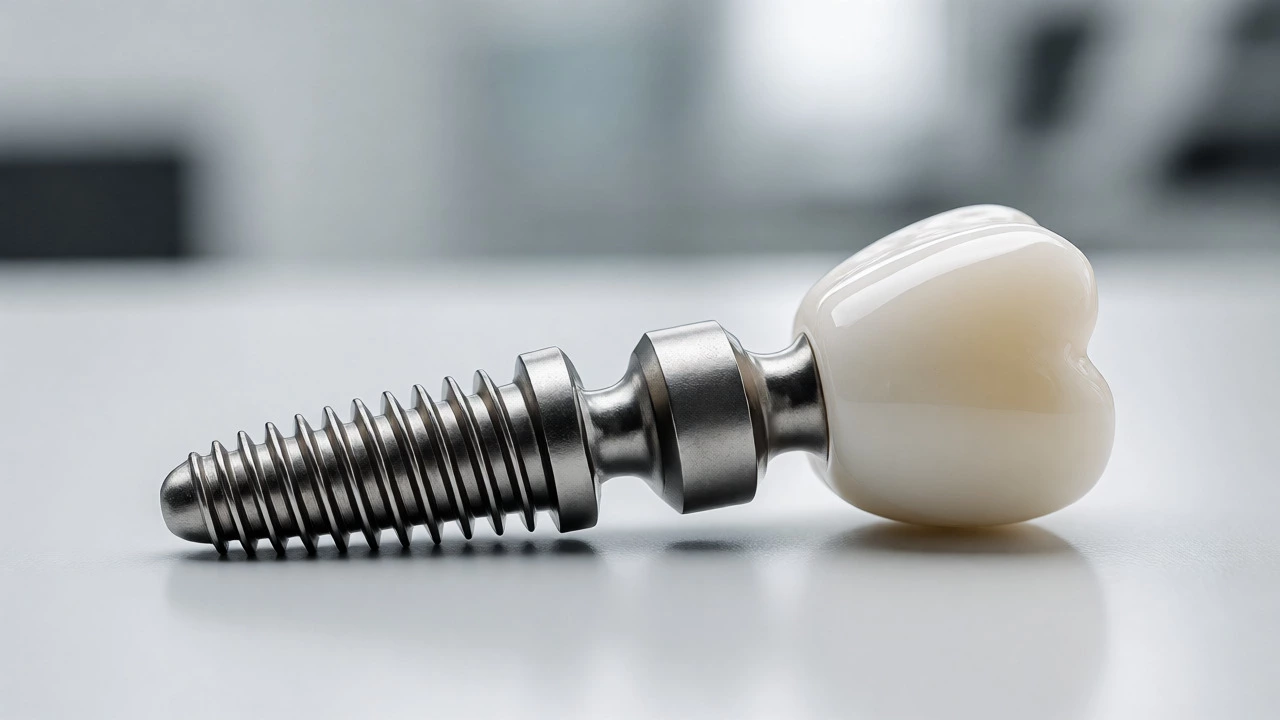
Before you can afford it, you need to know what you’re paying for. A single dental implant isn’t just one bill; it’s a package deal. Typically, the quote includes three main components: the implant post (the titanium screw), the abutment (the connector), and the crown (the visible tooth). In the UK, private clinics usually charge between £1,800 and £2,500 for this basic setup. If you need bone grafting because your jawbone has shrunk, add another £500 to £1,000. For multiple teeth or full-mouth reconstructions, costs can skyrocket to £15,000-£30,000.
Why so high? It’s not just the materials. You’re paying for the surgeon’s expertise, sterile operating environments, and follow-up care. Unlike a simple filling, an implant is surgery. Mistakes here are expensive to fix. So, when you see a "cheap" offer online, ask yourself: does it include the crown? Does it cover complications? Hidden fees are the enemy of budget-friendly dentistry.
Can You Get Dental Implants on the NHS?
This is the million-dollar question-or rather, the million-pound question. Technically, yes, the NHS provides dental implants, but they are rare. The NHS primarily covers extractions, fillings, and conventional bridges or dentures. Implants are considered elective unless there is a specific medical necessity, such as congenital absence of teeth or trauma affecting jaw development.
If you do qualify, you’ll pay Band 3 charges. As of 2026, this is approximately £306.80 in England, covering all necessary treatment within a course. However, getting approved is tough. Your dentist must justify why a bridge or denture won’t work. Most patients end up paying privately anyway. Don’t bank on free implants unless you have a documented medical condition that makes other options impossible.
Navigating Private Finance and Payment Plans
Since most people pay privately, financing becomes key. Many UK dental practices partner with third-party lenders like Chrysalis Finance or Secure Trust Bank. These plans allow you to spread the cost over 12 to 60 months. Interest rates vary wildly-some offer 0% APR for shorter terms (12-24 months), while longer terms might carry 9.9% or higher.
Here’s a rule of thumb: if you can pay off the loan in under two years, look for 0% deals. If you need five years, calculate the total interest paid. Paying £2,500 plus £500 in interest is manageable; paying £2,500 plus £1,500 in interest stings. Always check for early repayment penalties. Some lenders charge a fee if you clear the debt faster than expected.
| Option | Typical Term | Interest Rate | Best For |
|---|---|---|---|
| Dental Practice Plan | 12-24 months | 0% - 5% | Single implants, predictable income |
| Personal Loan | 2-5 years | 3% - 10% | Multiple implants, no credit checks by dentist |
| Credit Card | 12-18 months | 0% intro period | Small gaps, disciplined payers |
| Medical Savings Account | Flexible | N/A | Self-funded, tax-efficient |
Exploring Alternative Treatment Paths
If traditional implants are out of reach, consider alternatives that mimic their benefits at a lower cost. One popular option is the "All-on-4" technique. Instead of placing four separate implants for four missing teeth, surgeons use four implants to support a full arch of teeth. This reduces surgical time and material costs, potentially saving you thousands compared to individual implants for each tooth.
Another strategy is staged treatment. You might place the implant posts now but delay the crowns until your budget allows. Just ensure your dentist confirms that delaying the final restoration won’t compromise the integration of the implant into your bone. Sometimes, a removable partial denture can serve as a temporary solution while you save up for the permanent fix.
Leveraging Dental Schools and Charities
Did you know that teaching hospitals often perform implant procedures at reduced rates? Students supervised by experienced consultants handle the work. At institutions like King’s College London or the University of Manchester, you might pay 30-50% less than private clinic rates. The trade-off? Appointments take longer, and you may be seen by different students throughout the process. It’s ideal if you have flexible time and want professional-grade care without the premium price tag.
Charities also play a role. Organizations like the British Dental Health Foundation occasionally run campaigns or provide grants for low-income individuals. While full funding is rare, some local trusts offer emergency dental funds. Check with your GP or social worker-they sometimes know of local schemes that aren’t widely advertised.

Insurance and Pre-existing Conditions
Most UK health insurance policies exclude routine dental care. Even those that include dental often cap annual payouts at £500-£1,000, which barely covers a consultation and scan. Crucially, many insurers classify implants as cosmetic, meaning they won’t pay for them even if you’ve had coverage for years.
However, if you have employer-sponsored dental insurance, check the fine print. Some corporate plans cover up to 50% of restorative treatments after a waiting period. Also, look into accident-only policies. If you lose a tooth due to an injury, certain personal accident insurance policies might contribute toward replacement costs. Always declare pre-existing conditions honestly; otherwise, your claim could be rejected later.
Tips for Negotiating and Saving Money
You can negotiate dental prices, especially if you’re paying cash. Ask for a detailed breakdown of costs. If a clinic quotes £3,000, ask what’s included. Can you source your own crown from a lab? Will they discount if you bundle multiple procedures? Cash payments often attract discounts because clinics avoid card processing fees.
Consider traveling abroad. Countries like Hungary, Turkey, and Poland offer high-quality dental care at significantly lower prices. A £2,500 implant in London might cost £800-£1,200 in Budapest. Factor in flights and accommodation, though. Ensure the clinic uses reputable brands like Straumann or Nobel Biocare, and verify that follow-up care is possible locally if complications arise. Communication barriers and lack of continuity can be risks, so research thoroughly.
Are dental implants worth the cost compared to bridges?
Yes, for most people. While bridges are cheaper upfront (£500-£1,000), they require grinding down adjacent healthy teeth. Over 10-15 years, bridges often need replacement, adding up in cost. Implants preserve bone structure and don’t damage neighboring teeth, making them more cost-effective long-term despite the higher initial price.
Can I get dental implants if I have diabetes?
Generally, yes, provided your blood sugar levels are well-controlled. Uncontrolled diabetes slows healing and increases infection risk. Your dentist will likely request recent HbA1c results before proceeding. With proper management, success rates for diabetics are comparable to non-diabetics.
What happens if I can’t afford the full cost upfront?
Many clinics offer payment plans where you pay a deposit for surgery and spread the rest over time. Alternatively, you can phase treatment: place implants first, then wait six months for healing, allowing you to save for the crowns. Never skip hygiene appointments to save money, as neglect can lead to costly complications like peri-implantitis.
Do dental implants last forever?
The titanium post can last a lifetime with good oral hygiene, but the crown attached to it typically needs replacement every 10-15 years due to wear. Think of it like a car tire: the wheel (implant) stays, but the rubber (crown) wears out. Budget for eventual crown replacement in your long-term financial plan.
Is dental tourism safe for implants?
It can be, if you choose accredited clinics. Look for JCI accreditation or membership in international associations. Risks include difficulty returning for follow-ups and potential language barriers. Always get a comprehensive treatment plan and warranty details in writing before traveling.