Nerve Pain Recovery Estimator
Use this tool to estimate a general recovery window for your specific situation. Remember that individual biology varies significantly.
Estimated Recovery Outlook
Initial Improvement
--
Significant Gains
--
Full Stabilization
--
*Timelines assume consistent adherence to recommended treatments (medication, PT, lifestyle changes). Stopping treatment may reset progress.
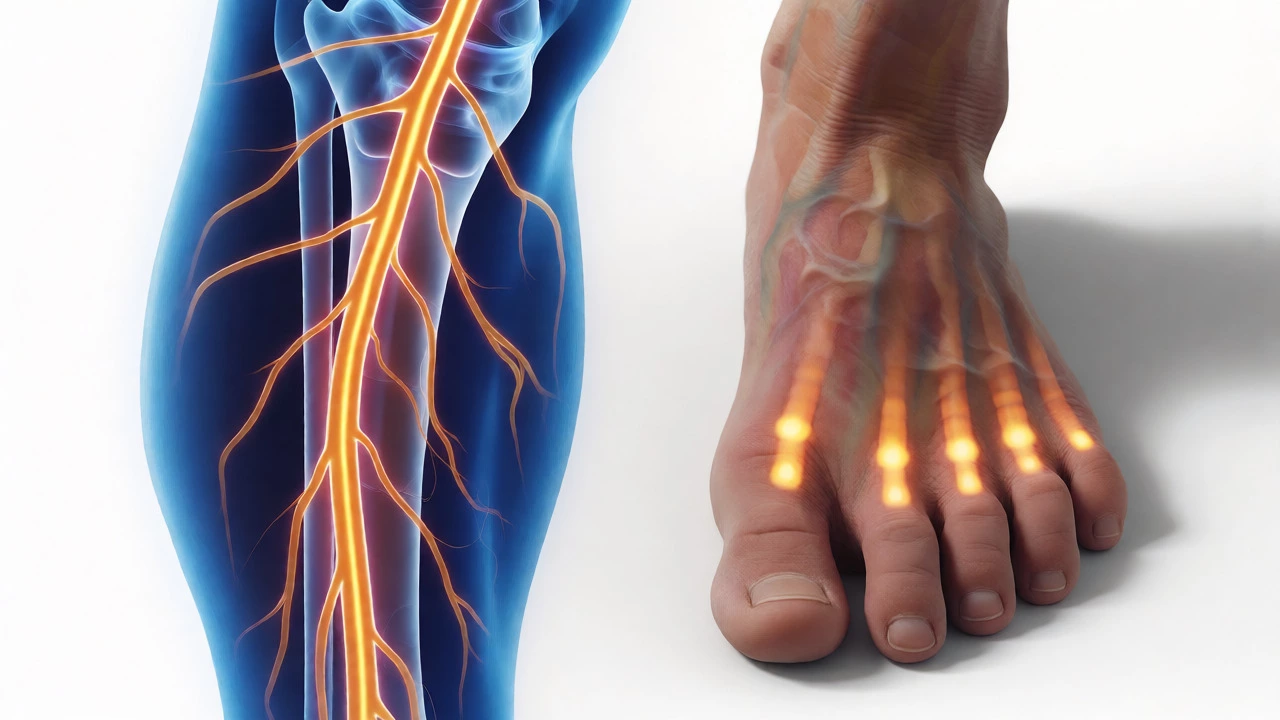
You wake up with that familiar electric shock shooting down your leg, or maybe it is the burning sensation in your feet that never seems to cool down. The first question on everyone's mind when they hit this wall is simple: does nerve pain ever get better? The short answer is yes, but the long answer is messy, slow, and highly individual. Unlike a cut on your finger that heals in days, nerves are complex biological wiring systems. When they get damaged, they don't just patch themselves up overnight. They require specific conditions, time, and often medical intervention to repair.
If you are living with neuropathic pain, which is pain caused by damage or disease affecting the somatosensory nervous system, you have likely heard conflicting advice. Some doctors say wait it out; others push aggressive medication immediately. Here is the reality from a clinical perspective: nerve pain does improve, but "better" rarely means "gone" for everyone. It usually means manageable. Understanding why it happens and what actually helps can change how you approach your recovery journey.
The Biology of Why Nerves Heal Slowly
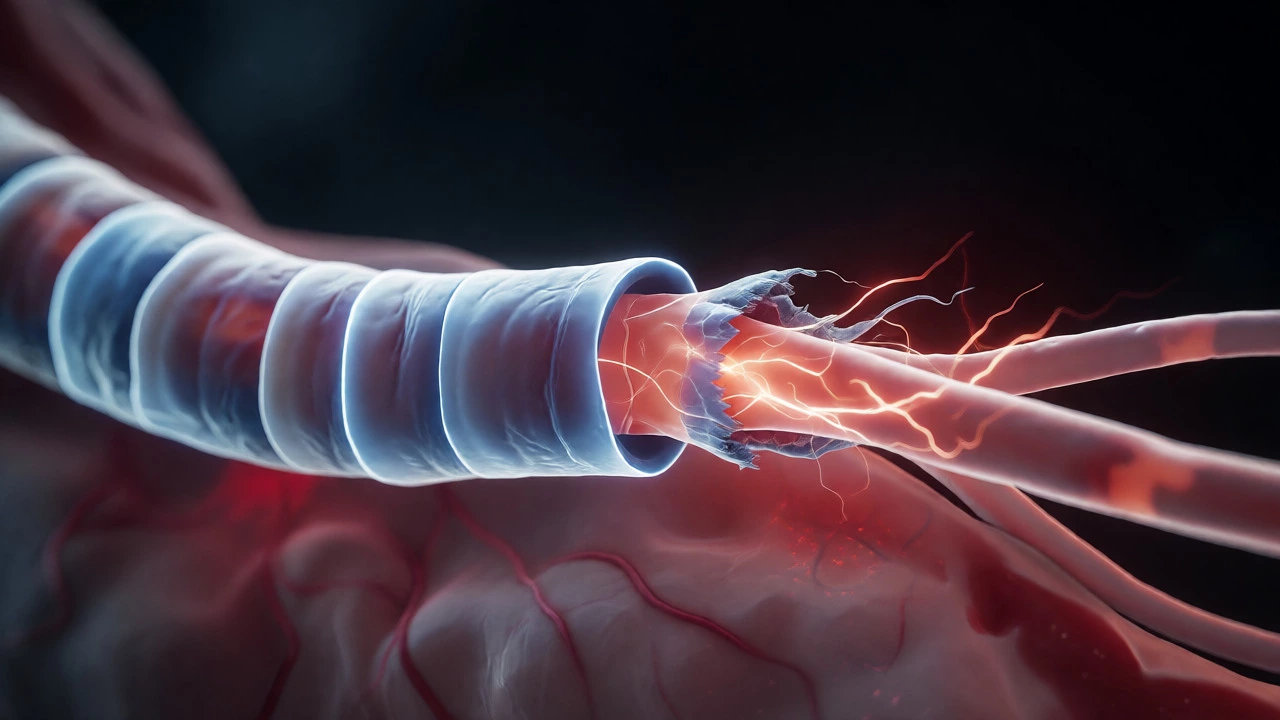
To understand if your pain will fade, you need to know what broke. Nerves are not like muscle tissue. Muscle fibers can tear and rebuild quickly because they have a rich blood supply. Nerves, however, are insulated by a fatty layer called myelin. This insulation allows electrical signals to zip along at high speeds. When that insulation wears thin or the nerve fiber itself gets crushed, the signal gets scrambled. That scrambling is what you feel as tingling, numbness, or burning.
Nerve regeneration is the process by which neurons regrow axons after injury is biologically slow. Peripheral nerves (those outside the brain and spinal cord) can grow back at a rate of about one millimeter per day. That sounds fast until you realize a nerve injury in your lower back might take six months to two years to fully reconnect with your toes. Central nerves (in the brain and spine) barely regenerate at all without significant therapy. This biological clock is why patience isn't just a virtue here; it is a physiological requirement.
| Nerve Type | Regeneration Rate | Recovery Outlook |
|---|---|---|
| Peripheral (e.g., Sciatic) | ~1 mm/day | Good if compression removed early |
| Central (Spinal Cord) | Very Limited | Focus on adaptation and management |
| Small Fiber (Diabetic Neuropathy) | Slow & Variable | Improvement via symptom control |
Factors That Determine If Your Pain Will Fade
Not all nerve pain is created equal. The cause of your neuropathy dictates the trajectory of your recovery more than any pill you take. If your nerve pain stems from a mechanical issue, like a herniated disc pressing on a root, removing that pressure often leads to dramatic improvement. Once the physical compression stops, the nerve can breathe, reduce inflammation, and eventually heal its myelin sheath.
However, if your pain comes from systemic issues like diabetes, the story changes. High blood sugar acts like a slow poison to small nerve fibers. In these cases, nerve pain may not "go away" completely because the underlying metabolic stress continues unless tightly controlled. But here is the good news: stabilizing blood glucose levels can halt further damage and allow some existing fibers to recover function. You aren't fixing the past, but you are stopping the future decline.
Other critical factors include:
- Age: Younger bodies regenerate tissue faster. A 25-year-old with carpal tunnel syndrome will likely heal quicker than a 65-year-old with the same condition.
- Duration: Nerves that have been compressed for weeks recover differently than those compressed for years. Long-term neglect can lead to permanent scarring.
- Vitamin Status: Deficiencies in B12, D, and Magnesium directly impair nerve repair mechanisms.
Medical Treatments That Actually Change the Trajectory
Many patients expect painkillers to fix the problem. Standard analgesics like paracetamol or ibuprofen do almost nothing for nerve pain because the issue isn't standard inflammation-it is misfiring electronics. You need medications that calm the nerve's electrical activity. This is where drugs like gabapentin and pregabalin come in. They don't heal the nerve, but they dampen the volume of the pain signal so your brain stops interpreting normal touch as agony.
For structural causes, interventions matter. Epidural steroid injections can reduce swelling around a spinal nerve, buying time for natural healing to occur. In severe cases, surgical decompression releases trapped nerves. Studies show that patients who undergo surgery for carpal tunnel within six months of symptom onset report significantly higher satisfaction rates than those who wait over a year. The window for optimal recovery is real, and missing it can mean accepting a higher baseline of discomfort.
Topical treatments also play a role. Capsaicin cream, derived from chili peppers, depletes substance P, a neurotransmitter involved in pain signaling. While it burns initially, regular use can desensitize the area. Lidocaine patches offer temporary numbing for localized spots, providing a break from constant firing.
Lifestyle Changes That Accelerate Nerve Repair
Medication masks symptoms; lifestyle builds resilience. You cannot supplement your way out of a bad diet, especially when dealing with metabolic neuropathy. Reducing refined sugars and processed carbs lowers systemic inflammation, creating a better environment for nerve cells to thrive. Omega-3 fatty acids, found in fish oil, help maintain the integrity of cell membranes, including those of nerve cells.
Movement is non-negotiable. It feels counterintuitive to exercise when every step hurts, but sedentary behavior worsens circulation. Nerves need oxygenated blood to repair. Low-impact activities like swimming or stationary cycling promote blood flow without jarring sensitive joints. Physical therapy focuses on neural gliding exercises-gentle stretches that encourage the nerve to slide freely through its surrounding tissues rather than getting stuck in scar tissue.
Sleep hygiene deserves special mention. Poor sleep lowers your pain threshold. When you are exhausted, your brain amplifies pain signals. Prioritizing seven to eight hours of quality rest helps reset your central nervous system's sensitivity. Techniques like mindfulness meditation have proven effective in reducing the emotional distress associated with chronic pain, which in turn reduces the perception of physical intensity.
The Psychological Component: Managing the Fear of Pain
Chronic nerve pain creates a feedback loop. Pain causes fear, fear causes tension, and tension compresses nerves further, causing more pain. Breaking this cycle is vital. Cognitive Behavioral Therapy (CBT) isn't just for mental health; it rewires how your brain processes pain signals. Patients who engage in CBT alongside physical treatment often report feeling less disabled by their pain, even if the intensity hasn't dropped drastically.
Avoiding movement due to fear leads to deconditioning. Muscles weaken, putting more strain on skeletal structures and nerves. Graded exposure-slowly increasing activity levels despite mild discomfort-teaches your nervous system that movement is safe. This concept, known as "hurt does not equal harm," is crucial for long-term improvement.

When to Expect Improvement: A Timeline
Setting realistic expectations prevents despair. Acute nerve injuries, such as those from a minor fall or tight cast, often resolve within weeks once the pressure is relieved. Chronic conditions like diabetic neuropathy or post-herpetic neuralgia (after shingles) operate on a scale of months to years.
Here is a general roadmap:
- Weeks 1-4: Focus on identifying triggers and starting medication. Pain may fluctuate wildly.
- Months 2-6: Nerve regeneration begins. You might notice new sensations like itching or tingling, which are actually signs of healing, not worsening.
- Months 6-12: Significant functional gains occur. Pain intensity often drops by 30-50% with consistent treatment.
- Year 1+:: Stabilization. Further improvements become slower but are still possible with ongoing care.
If you see no change after three months of optimized treatment, consult your specialist. It may be time to adjust medication types, investigate other underlying causes, or consider advanced therapies like TENS units or acupuncture.
Frequently Asked Questions
Can nerve damage reverse itself completely?
In many peripheral nerve injuries, yes, full recovery is possible if the nerve wasn't severed. However, for chronic conditions like diabetic neuropathy, complete reversal is rare. The goal is usually significant reduction in pain and prevention of further damage rather than returning to a pre-injury state.
How long does it take for nerve pain to go away?
It varies widely. Acute compression issues might resolve in weeks. Chronic neuropathies can take 6 to 18 months of consistent management to show substantial improvement. Patience is key, as nerves heal slowly.
Do vitamins help with nerve pain?
Yes, specifically Vitamin B12, B6, and D. Deficiencies in these nutrients are common in people with neuropathy. Supplementing them can support nerve health and repair, but only if you are actually deficient. Excess B6 can sometimes worsen nerve pain.
Is tingling a sign of healing?
Often, yes. As nerves regenerate, they fire randomly before establishing proper connections. This can manifest as pins and needles or itching. If the sensation is changing from numbness to tingling, it is frequently a positive sign of reinnervation.
Can stress make nerve pain worse?
Absolutely. Stress increases muscle tension and inflammatory markers, both of which aggravate nerve irritation. Managing stress through relaxation techniques can measurably reduce pain intensity for many patients.