Infection Severity & Treatment Checker
Mild Fever
Below 38°C (100.4°F)High Fever
Above 38°C persisting >24hrsMinor Wound
Small cut, scrape, or burnRed Streaks
Spreading from woundSore Throat
Mild discomfort/coughBreathing Issues
Shortness of breath/chest painMinor Skin Fungus
Athlete's foot/rashPus-filled Lesion
Hot, swollen, painfulSelect symptoms on the left and click Analyze.
The Truth About "Strongest" Natural Antibiotics
When you have an infection, the word "strongest" feels like a promise of a quick fix. You want something that hits hard and clears the problem fast. But in medicine, strength isn't just about potency; it's about safety, specificity, and whether the remedy actually works against the specific bug causing your illness. There is no single natural antibiotic that replaces prescription drugs for serious bacterial infections. However, several natural substances have proven antimicrobial properties that can support your immune system or help with minor, localized issues.
It is crucial to understand that "natural" does not automatically mean "safe" or "effective for all infections." Using honey on a deep wound without professional care can be dangerous. Relying on garlic powder for pneumonia could be fatal. The goal here is to identify which natural agents have scientific backing, how they work, and when you should definitely see a doctor instead of reaching for the pantry.
Top Contenders: Science-Backed Natural Antimicrobials
Research has identified several compounds in nature that disrupt bacterial cell walls, inhibit replication, or prevent bacteria from adhering to tissues. Here are the most effective ones, ranked by evidence strength and common use cases.
| Natural Agent | Best For | Mechanism of Action | Evidence Level |
|---|---|---|---|
| Manuka Honey | Skin wounds, burns, sore throats | High sugar content draws out moisture; unique methylglyoxal kills bacteria | High (Clinical trials) |
| Garlic (Allicin) | Respiratory infections, general immunity | Disrupts bacterial enzymes and DNA synthesis | Moderate (Observational studies) |
| Oregano Oil | Fungal infections, minor gut issues | Carvacrol and thymol penetrate cell membranes | Moderate (In vitro studies) |
| Ginger | Inflammation, nausea, mild respiratory bugs | Anti-inflammatory and antioxidant effects | Moderate (Mixed clinical data) |
| Echinacea | Cold prevention, early flu symptoms | Stimulates white blood cell activity | Low to Moderate (Inconsistent results) |
Manuka Honey: The Gold Standard for Topical Use
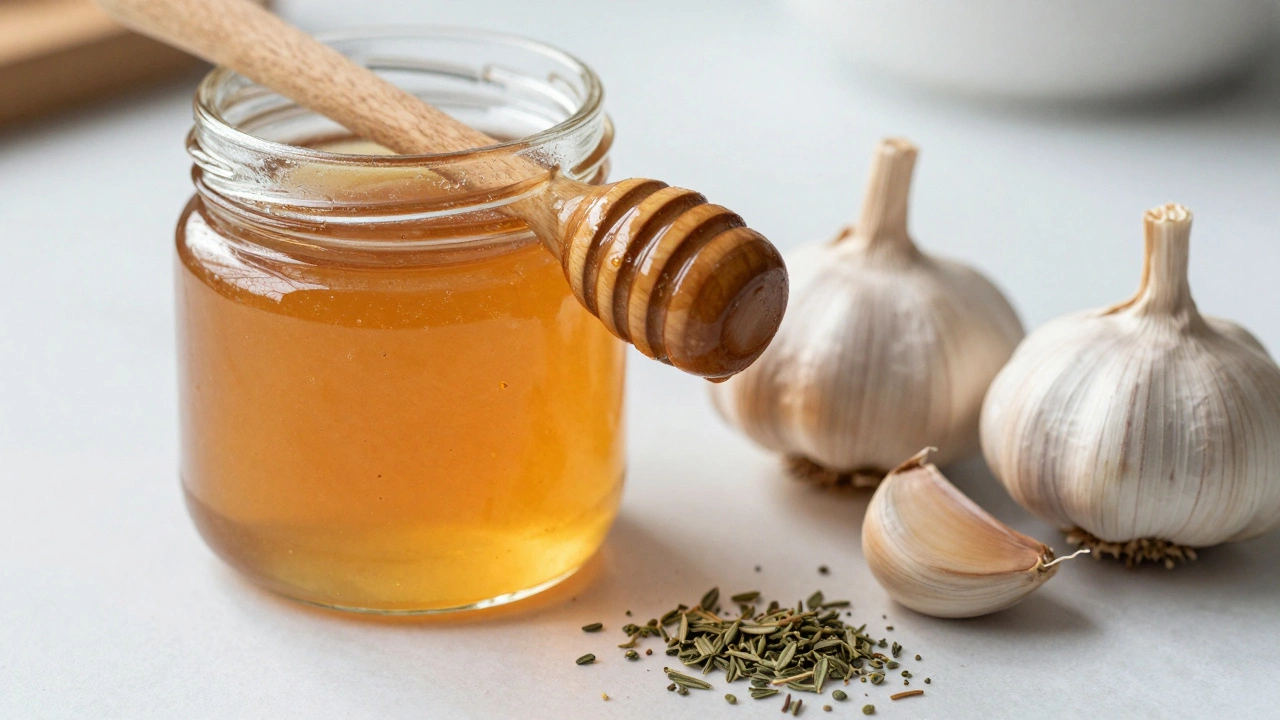
If we had to pick one natural substance with the strongest clinical backing for direct application, it would be Manuka Honey. Unlike regular honey, Manuka honey contains high levels of methylglyoxal (MGO), a compound that provides potent antibacterial action even at low concentrations. It is particularly effective against Staphylococcus aureus, including some MRSA strains, which are resistant to many conventional antibiotics.
You can find medical-grade Manuka honey in pharmacies. It is used by nurses to treat chronic wounds, diabetic foot ulcers, and minor burns. For a sore throat, a spoonful can coat the mucous membranes and reduce bacterial load. However, do not give honey to children under one year old due to the risk of infant botulism.
Garlic: The Kitchen Cabinet Defender
Garlic has been used for millennia, but modern science confirms why it works. When you crush or chop raw garlic, it releases allicin, a sulfur-containing compound with broad-spectrum antimicrobial properties. Allicin interferes with the ability of bacteria to reproduce and survive.
Studies suggest that consuming raw garlic regularly may reduce the severity and duration of colds and flu. To get the benefits, you must eat it raw or cook it gently. High heat destroys allicin. If you hate the taste, aged garlic extract supplements are available, though they may have lower allicin potency unless standardized.
Oregano Oil: Potent but Powerful
Oregano Oil is often called "nature's antibiotic," but it is extremely potent. The active ingredients, carvacrol and thymol, can kill bacteria and fungi. It has shown effectiveness against E. coli and Salmonella in laboratory settings.
Because it is so strong, oregano oil can irritate the stomach lining and damage healthy gut bacteria if taken internally for long periods. It is best used topically (diluted in a carrier oil) for skin infections or taken as a short-term supplement under guidance. Never apply undiluted oregano oil to sensitive skin.
When Natural Isn't Enough: Recognizing Serious Infections
This is the most important part of the conversation. Natural remedies are supportive. They are not cures for systemic bacterial infections. If you ignore a serious infection while trying natural methods, you risk sepsis, organ failure, or permanent tissue damage.
You need immediate medical attention if you experience:
- Fever above 38°C (100.4°F) that persists for more than 24 hours
- Red streaks spreading from a wound (sign of lymphangitis)
- Difficulty breathing or chest pain
- Pus-filled lesions that are hot, swollen, and painful
- Confusion, dizziness, or rapid heart rate
In these cases, prescription antibiotics like amoxicillin, doxycycline, or ciprofloxacin are necessary. Delaying treatment to try garlic or honey can turn a manageable issue into a life-threatening emergency.
The Role of Online Doctor Consultation
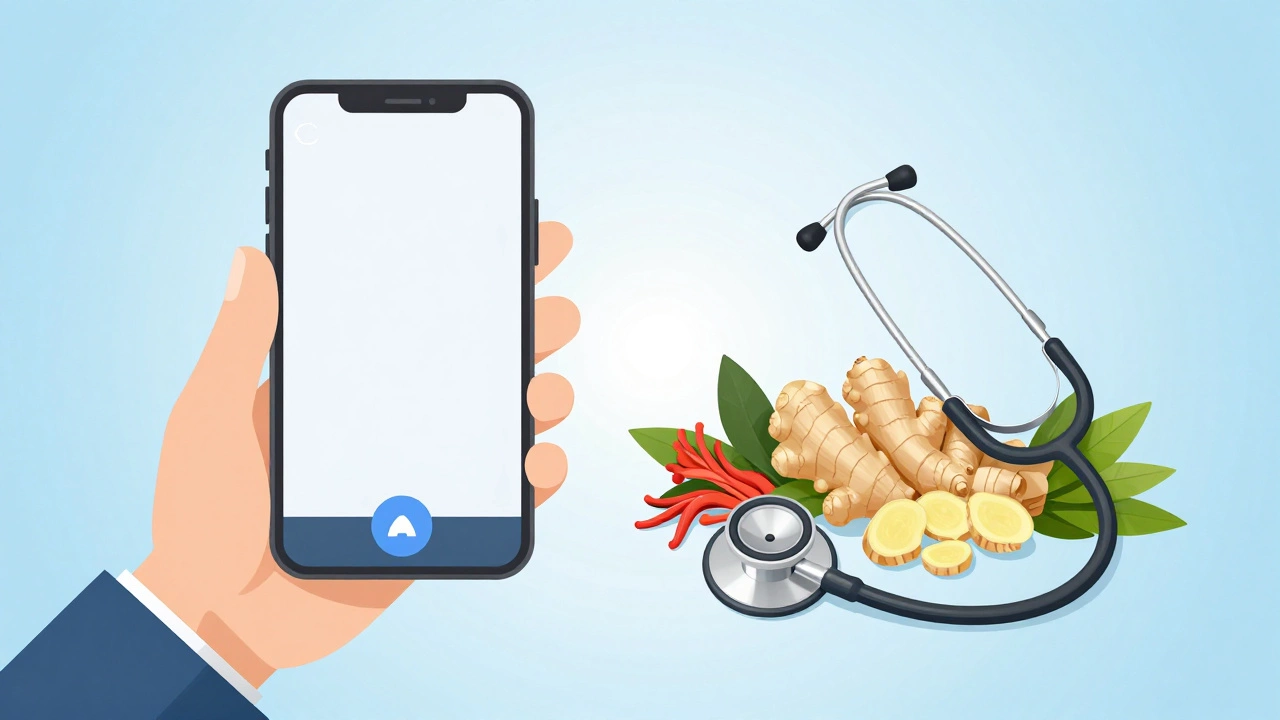
Deciding whether an infection requires prescription medication or can be managed with natural support is tricky. This is where online doctor consultation becomes invaluable. You don't always need to go to a hospital for a minor skin infection or a persistent cough.
An online consultation allows you to show your symptoms via video call. A licensed physician can assess the severity, check for red flags, and determine if you need a prescription. If they decide that a natural approach is safe, they can guide you on dosage and duration. If they suspect a bacterial infection requiring antibiotics, they can e-prescribe them directly to your local pharmacy.
This saves you time, reduces exposure to other sick people in waiting rooms, and ensures you aren't guessing about your health. Platforms offering telemedicine services are now standard in many healthcare systems, providing quick access to professional advice.
Building Your Immune Defense System
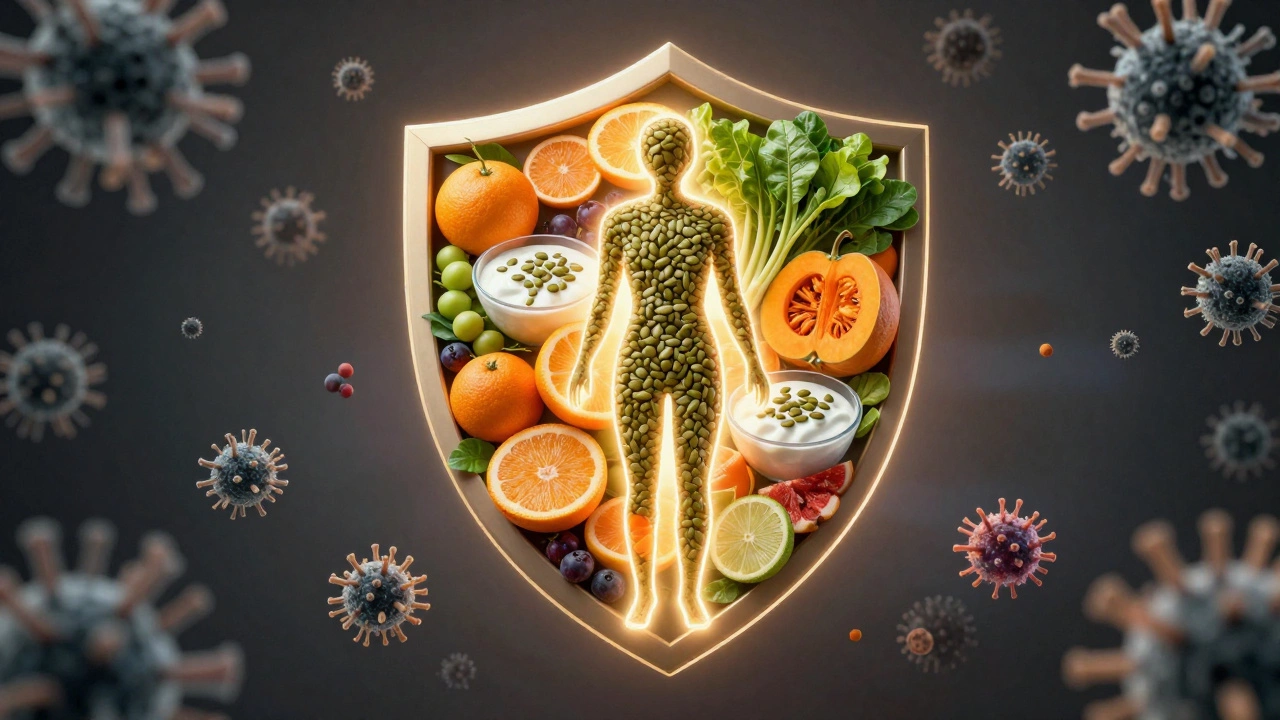
Rather than looking for a single "strongest" antibiotic, focus on building a robust immune system that prevents infections in the first place. Natural antibiotics work best when your body is already fighting back.
Incorporate these habits:
- Zinc-rich foods: Pumpkin seeds, lentils, and beef support white blood cell function.
- Vitamin C: Citrus fruits, bell peppers, and strawberries enhance immune response.
- Probiotics: Yogurt, kefir, and fermented vegetables maintain healthy gut flora, which protects against pathogenic bacteria.
- Hydration: Water helps flush toxins and keeps mucous membranes moist, acting as a barrier to invaders.
Avoiding Antibiotic Resistance
One major reason to use natural remedies appropriately is to combat antibiotic resistance. Overuse of prescription antibiotics has led to superbugs that no longer respond to standard treatments. By using natural options for minor issues-like a small cut or a mild cold-you preserve the effectiveness of powerful drugs for when you truly need them.
However, this balance must be managed carefully. Do not self-diagnose serious conditions. Always consult a healthcare provider before starting any new supplement regimen, especially if you are pregnant, nursing, or taking other medications. Some natural antibiotics, like St. John's Wort, can interfere with prescription drugs.
Practical Steps for Home Care
If you have a minor infection and have confirmed with a doctor that home care is appropriate, follow these steps:
- Clean the area: Wash with soap and water to remove debris and reduce bacterial load.
- Apply topical treatment: Use medical-grade Manuka honey or a diluted tea tree oil solution for skin issues.
- Support internally: Drink ginger tea and take garlic supplements if recommended by your doctor.
- Monitor closely: Take photos daily to track healing. If it worsens after 48 hours, seek professional help.
- Rest: Your body needs energy to fight infection. Prioritize sleep and reduce stress.
Is there a natural antibiotic stronger than penicillin?
No. Penicillin and other prescription antibiotics are highly refined and targeted to kill specific bacteria effectively throughout the body. Natural remedies like Manuka honey or oregano oil have antimicrobial properties but are generally less potent and harder to dose consistently for systemic infections. They are best used for topical applications or as supportive care.
Can I use garlic to treat a urinary tract infection (UTI)?
Garlic may offer some supportive benefits due to its antimicrobial properties, but it is not a reliable cure for UTIs. Untreated UTIs can spread to the kidneys and cause serious complications. If you suspect a UTI, you should see a doctor for proper diagnosis and likely a course of prescription antibiotics.
How do I know if my infection is bacterial or viral?
It can be difficult to distinguish without testing. Bacterial infections often involve pus, localized swelling, and high fever. Viral infections typically present with widespread symptoms like runny nose, cough, and body aches. Antibiotics do not work on viruses. An online doctor consultation can help assess your symptoms and determine the next best step.
Is Manuka honey safe for everyone?
Manuka honey is generally safe for adults and children over one year old. It should not be given to infants under 12 months due to the risk of botulism. People with diabetes should use it cautiously as it affects blood sugar levels. Always choose medical-grade honey for wound care.
What are the side effects of oregano oil?
Oregano oil can cause digestive upset, heartburn, or allergic reactions in some people. Undiluted application to the skin can cause irritation or burns. It may also interact with blood-thinning medications. It is best used short-term and under professional guidance.