

UK Dental Cost Estimator for Foreigners
Not sure if you qualify for subsidized NHS care or what a private visit will cost? Use this tool to estimate your expenses.
Select your options and click "Estimate Cost" to see your potential bill.
You land at Heathrow, excited for your trip or new job, and then it happens: a toothache that feels like a drill bit in your jaw. You rush to find a local clinic, only to be told you aren't eligible for free NHS National Health Service dental care because you're not "ordinarily resident." It’s a common shock. Many visitors assume the UK healthcare system works like their home country's public option-accessible to anyone standing on British soil. But when it comes to teeth, the rules are strict, specific, and often confusing.
The short answer is yes, foreigners can get dental care in the UK. The long answer involves navigating a two-tier system where access depends entirely on your visa status, how long you plan to stay, and whether you’re willing to pay out of pocket. This guide cuts through the bureaucratic noise to tell you exactly what you can get, who qualifies for subsidies, and what a realistic budget looks like if you need work done here.
The Core Rule: Ordinary Residence vs. Tourist Status
To understand your rights, you first need to grasp the concept of "ordinary residence." In the eyes of the UK government, this doesn't mean you live in London for three months while working remotely. It means you have established a lawful, settled presence in the country with no time limit on your stay. If you are on a tourist visa, a short-term business visit, or even a student visa under six months, you generally do not qualify for free NHS dental treatment.
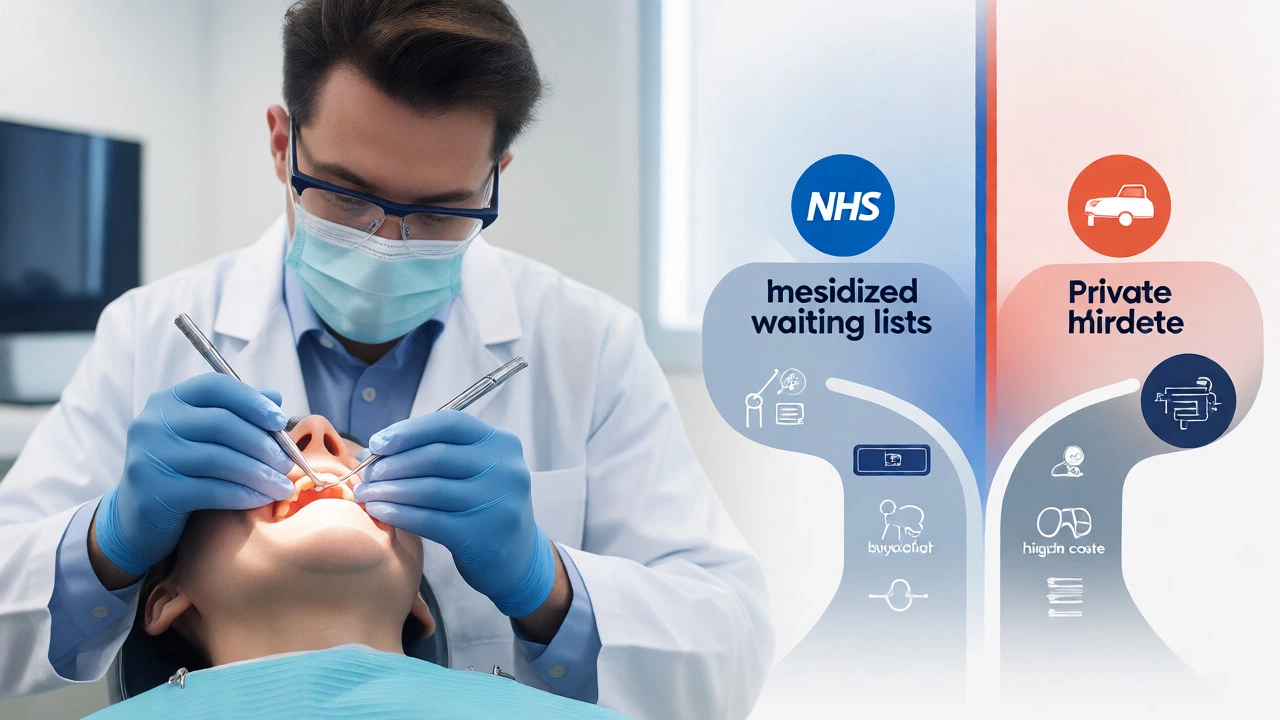
This distinction creates a sharp divide. If you are a tourist or short-term visitor, you are effectively treated as a private patient. You can still walk into a dental practice, but you will be charged the full private rate for every service, from a simple check-up to complex dental implants surgical procedures to replace missing teeth. There is no sliding scale based on income or nationality for these patients. You pay the price listed on the door.
However, if you hold a visa valid for more than six months, such as a Skilled Worker Visa, Student Visa (long-term), or Spouse Visa, the landscape changes significantly. These residents contribute to the system via the Immigration Health Surcharge (IHS). Paying this surcharge-which currently sits at £624 per year for most adults-grants you access to the same subsidized rates as British citizens. It’s not free, but it’s heavily discounted compared to private fees.
What You Can Actually Access: NHS vs. Private
Once you know your residency status, you need to know what services are available. The National Health Service covers essential dental care. This includes examinations, diagnosis, preventive advice, X-rays, fillings, extractions, root canal treatments, and standard crowns or bridges. Crucially, NHS coverage rarely extends to cosmetic enhancements or advanced restorative options like single-tooth dental implants unless there is a severe medical necessity, which is rare.
Private dentistry offers the opposite. Here, you choose the material, the speed of appointment, and the complexity of the procedure. If you want white composite fillings instead of silver amalgam, or if you need immediate placement of an implant after extraction, you go private. For many foreigners, especially those staying for a year or more, private care becomes the default because NHS waiting lists can stretch for weeks or months, even for urgent issues.
| Feature | NHS Dental Care | Private Dental Care |
|---|---|---|
| Eligibility | Ordinarily resident; Visa holders paying IHS | Anyone (Tourists, Visitors, Residents) |
| Cost Structure | Fixed Bands (£28.20 - £306.80 approx.) | Market Rates (e.g., £200+ for exam) |
| Wait Times | Weeks to Months | Days to Weeks |
| Coverage | Essential health & function | Cosmetic, Implants, Advanced Tech |
| Payment | At time of treatment | Upfront or Installments |
The Cost Reality: What Will You Pay?
Let’s talk numbers, because this is where most people get caught off guard. If you are eligible for NHS treatment, costs are capped in bands. As of recent updates, Band 1 (exam and advice) is around £28.20. Band 2 (fillings, extractions) jumps to roughly £77.70. Band 3 (crowns, dentures, bridges) is approximately £306.80. These prices are fixed nationally, so whether you are in Manchester or Mayfair, the NHS fee is identical.
Private costs vary wildly by location and clinic prestige. In London, a routine examination might cost £150-£250. A simple filling could range from £150 to £300. If you are looking at dental implants titanium posts surgically placed in the jawbone, expect to pay between £2,000 and £3,500 per tooth in major cities. Outside London, in places like Leeds or Bristol, you might find competitive rates closer to £1,800-£2,500 per implant.
Why the huge gap? Private clinics offer better equipment, longer appointment times, and higher-quality materials. They also don’t have the administrative burden of NHS compliance, allowing them to focus purely on patient experience. If you are a foreigner with travel insurance, check your policy carefully. Most standard travel policies cover emergencies only-think abscesses or broken teeth from accidents-and often require you to pay upfront and claim back later. Routine care is almost never covered.
Emergency Situations: What If You’re in Pain Now?
If you wake up with swelling or unbearable pain, you don’t have time to research visas. You need help now. Here is the protocol for tourists and non-residents:
- Contact Local Practices: Call several private dentists. Ask specifically if they accept emergency walk-ins for non-residents. Many do, but they will charge a premium.
- Visit an Urgent Care Centre: Some areas have dedicated dental urgent care centers. These may see non-residents but will likely charge private fees since you aren’t registered with an NHS dentist.
- A&E (Accident & Emergency): Only go to the hospital if you have difficulty breathing, swallowing, or significant facial swelling indicating a spreading infection. Hospitals do not perform routine dental work. They will give you antibiotics and painkillers, then send you to a dentist. You will still need to see a dentist for the actual fix.
Pro tip: Keep a copy of your passport and proof of address (hotel booking counts) handy. Clinics need this for registration. Also, ask for an itemized receipt immediately. If you have insurance, you’ll need detailed codes for each procedure performed.
How to Find a Dentist That Accepts You
Finding a dentist isn’t just about location; it’s about acceptance. Not all practices take new patients, and some reserve slots exclusively for existing NHS patients. Use the NHS website search tool to find practices near you, but call ahead. Ask two critical questions: "Do you accept new patients?" and "Are you accepting patients who are not ordinarily resident?"
If you are on a long-term visa, register with an NHS dentist. This locks in your lower rates. If you are a tourist, look for clinics advertising "private emergency dentistry" or "tourist-friendly dental care." Reviews on platforms like Trustpilot or Google Maps are invaluable here. Look for comments about transparency in pricing. Avoid clinics that refuse to give a quote over the phone.
For those needing complex work like implants or orthodontics, consider seeking a second opinion. Prices can differ by hundreds of pounds between clinics within the same postcode. Don’t hesitate to ask for a written treatment plan before agreeing to anything.

Insurance and Reimbursement Tips
If you have international health insurance or comprehensive travel cover, document everything. Take photos of your teeth before and after treatment. Request clinical notes and radiographs (X-rays) on a CD or USB drive. Some insurers require proof that the treatment was medically necessary, not just cosmetic. For example, replacing a missing tooth with an implant might be deemed elective, whereas extracting an infected molar is urgent.
Be wary of "dental tourism" packages marketed online. While cheaper options exist in Eastern Europe, doing work in the UK ensures high regulatory standards enforced by the General Dental Council (GDC). If something goes wrong, you have legal recourse and professional oversight that might be harder to navigate abroad.
Key Takeaways
- Residency Matters: Free/subsidized NHS care requires ordinary residence or a visa >6 months with IHS paid.
- Tourists Pay Full Price: Expect private rates for all treatments if you are visiting.
- Implants Are Rarely Covered: Even eligible residents usually pay privately for implants.
- Prepare Documentation: Passport, address, and insurance details speed up registration.
- Get Quotes First: Always ask for total costs before starting treatment.
Do tourists have to pay for dental care in the UK?
Yes, tourists and short-term visitors must pay the full private fee for dental treatment. They are not eligible for subsidized NHS rates because they are not considered "ordinarily resident" in the UK.
Can I use my European Health Insurance Card (EHIC/GHIC) for dental care?
The Global Health Insurance Card (GHIC) or old EHIC covers medically necessary treatment during temporary stays. However, it typically does not cover routine dental care or cosmetic procedures. It may cover emergency relief for acute pain or infections, but you should verify with the provider and your insurer beforehand.
How much does a private dentist visit cost in London?
A routine examination with a private dentist in London typically ranges from £150 to £250. Additional treatments like fillings or cleanings will add to this cost, with cleanings often costing between £80 and £150 depending on the clinic's location and reputation.
Are dental implants covered by the NHS for foreigners?
Generally, no. NHS funding for dental implants is extremely limited and reserved for specific medical conditions, such as congenital absence of teeth or trauma affecting development. For most foreigners, including eligible residents, implants are considered a private, cosmetic, or elective procedure and must be paid for out of pocket.
What is the Immigration Health Surcharge (IHS)?
The IHS is a fee paid by visa applicants (for stays longer than six months) to access the National Health Service. Once paid, it allows the holder to receive NHS services, including dental care, at the same subsidized rates as UK residents, rather than paying full private fees.