

Daily Painkiller Safety Checker
Select your primary pain type and health conditions to see which medication strategy aligns best with safety guidelines from the article.
Living with constant discomfort changes how you plan your day. You stop thinking about what you want to achieve and start calculating whether the next hour will be bearable. If you are reaching for a bottle of pills every single morning just to function, you are likely asking the same question millions of others ask: What is the best painkiller for daily use? The honest answer isn't a single magic bullet. It depends entirely on where it hurts, why it hurts, and how much risk your body can tolerate over months or years.
Most people assume that because a drug is available at the corner store, it’s harmless if taken regularly. That’s a dangerous myth. While occasional headaches might warrant a quick fix, daily reliance requires a strategy. We need to look at efficacy, side effect profiles, and long-term organ health. This guide breaks down the heavy hitters in pain management so you can make an informed decision before your next pharmacy run.
The Safety First Approach: Acetaminophen
If you have ever scanned a medicine cabinet, you’ve seen Acetaminophen, also known as Paracetamol, is widely considered the safest starting point for daily pain management. Unlike its non-steroidal cousins, it does not irritate the stomach lining or thin the blood significantly. For many people dealing with mild-to-moderate osteoarthritis or tension headaches, this is the go-to option.
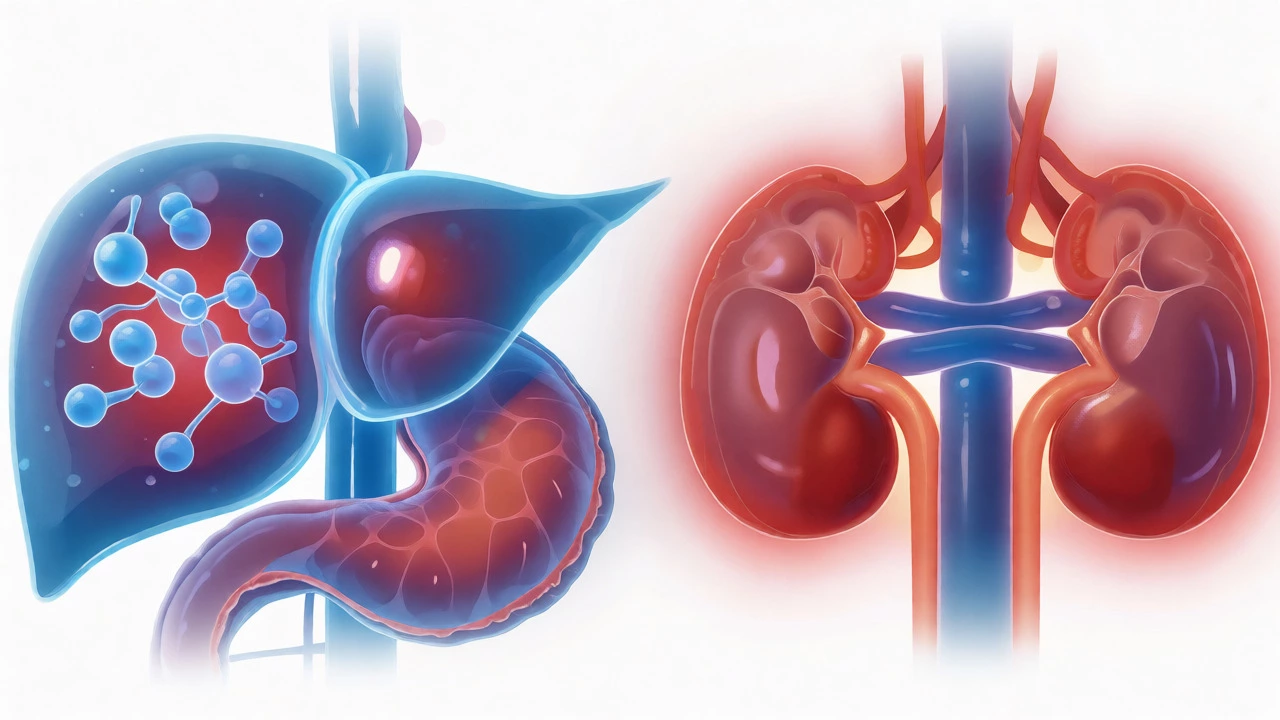
But "safe" doesn’t mean "risk-free." The liver processes acetaminophen, and here is where the math gets tricky. The standard maximum dose is often cited as 4,000 milligrams per day. However, many hepatologists (liver specialists) recommend staying below 3,000 milligrams for long-term daily use to prevent silent liver damage. If you drink alcohol regularly, even moderately, that safe threshold drops further. Always check combination cold medicines; they often hide extra doses of acetaminophen, leading to accidental overdoses.
| Medication Type | Primary Use Case | Major Organ Risk | Daily Suitability |
|---|---|---|---|
| Acetaminophen | Mild/Moderate Pain, Headaches | Liver | High (if dose controlled) |
| Ibuprofen | Inflammation, Muscle Pain | Kidneys, Stomach | Low (requires breaks) |
| Naproxen | Arthritis, Joint Pain | Stomach, Heart | Moderate (once/twice daily) |
| Topical NSAIDs | Localized Joint Pain | Skin Irritation | Very High |
The Inflammation Fighters: NSAIDs
Non-Steroidal Anti-Inflammatory Drugs (NSAIDs) like Ibuprofen and Naproxen work differently. They block enzymes called COX-1 and COX-2, which produce prostaglandins-chemicals that cause inflammation and pain. This makes them superior for conditions involving swelling, such as rheumatoid arthritis or acute back strains.
Here is the catch with daily use: prostaglandins also protect your stomach lining and maintain kidney blood flow. When you suppress them every day, you strip away these protections. Gastrointestinal bleeding is a well-known risk, but kidney stress is the silent killer. Chronic use of ibuprofen has been linked to reduced kidney function over time. If you have high blood pressure, NSAIDs can raise it further, counteracting your blood pressure meds.
Naproxen tends to last longer than ibuprofen, meaning you take fewer pills per day. Some studies suggest Naproxen may have a slightly better cardiovascular profile compared to other NSAIDs, though all carry some heart risk when used long-term. If you must use an oral NSAID daily, doctors often prescribe a proton pump inhibitor (PPI) alongside it to shield your stomach from ulcers.
Thinking Outside the Pill Bottle: Topicals
Why swallow a pill that travels through your entire bloodstream just to treat a sore knee? Topical analgesics offer a brilliant workaround. Gels, creams, and patches containing diclofenac or lidocaine apply medication directly to the source of pain.
Because absorption into the systemic circulation is low, topicals spare your stomach and kidneys almost entirely. For localized osteoarthritis in hands, knees, or feet, topical diclofenac is often as effective as oral tablets with far fewer side effects. The downside? It won’t help with deep visceral pain or widespread fibromyalgia. But for specific joint issues, this should be your first line of defense before moving to oral medications.

When Over-the-Counter Isn't Enough
If OTC options fail, prescription strength enters the chat. Medications like Tramadol act on opioid receptors but also affect serotonin and norepinephrine levels. It is weaker than morphine but carries risks of dependency and serotonin syndrome if mixed with antidepressants.
For nerve pain specifically-think shooting pains, burning sensations, or tingling-standard painkillers often miss the mark. This is where drugs like gabapentin or pregabalin come in. These aren't traditional painkillers; they calm overactive nerves. They don't reduce inflammation, but they change how your brain perceives the signal. Side effects include drowsiness and weight gain, so titration (slowly increasing the dose) is critical.
Strategies for Sustainable Relief
Taking a pill every day creates a psychological crutch. You might experience "rebound headaches" if you use caffeine-containing pain relievers too often. To break the cycle, consider these tactics:
- Rotate Mechanisms: Alternate between acetaminophen and an NSAID (if cleared by your doctor) rather than doubling up on one type. This allows each organ system to recover slightly.
- Use the Lowest Effective Dose: If 500mg works, don’t take 1000mg. Your body doesn’t need more; it just needs enough.
- Add Non-Drug Therapies: Heat packs, gentle stretching, or TENS units can lower your baseline pain level, reducing the number of pills you need.
- Track Your Intake: Keep a simple log. Are you taking pills for pain, or out of fear that pain will return? Anticipatory dosing can lead to unnecessary consumption.
Remember, pain is a symptom, not the disease itself. Masking it daily without addressing the root cause-whether it's poor posture, muscle imbalance, or untreated arthritis-is a band-aid solution. Work with your healthcare provider to find the underlying issue while managing symptoms safely.
Is it safe to take Tylenol every day?
Yes, for most healthy adults, daily acetaminophen (Tylenol) is safe if you stay under 3,000-4,000 mg per day. However, those with liver disease or who consume alcohol heavily should consult a doctor first, as the liver metabolizes this drug.
Which is worse for your kidneys, ibuprofen or acetaminophen?
Ibuprofen poses a greater risk to kidneys during daily use. NSAIDs like ibuprofen restrict blood flow to the kidneys, which can lead to chronic kidney disease over time. Acetaminophen primarily affects the liver, making it generally safer for renal health unless you have pre-existing liver issues.
Can I take two different painkillers at once?
You can often combine acetaminophen with an NSAID (like ibuprofen) because they work via different mechanisms and are processed by different organs. However, never combine two NSAIDs (e.g., ibuprofen and naproxen) as this increases side effect risks without adding significant pain relief.
Do topical pain gels really work?
Yes, for superficial pain sources like joints near the skin surface (knees, hands), topical NSAIDs are highly effective. They provide local relief with minimal systemic absorption, reducing the risk of stomach upset and kidney strain associated with oral pills.
How do I know if my pain medication is causing rebound headaches?
If you have headaches on more than 15 days a month and use painkillers on more than 10 days a month, you likely have medication-overuse headaches. The pain returns as soon as the medication wears off, creating a vicious cycle that requires medical intervention to break.