Chronic Pain Relief Strategy Builder
Describe Your Pain Experience
Answer these questions to generate a personalized management plan.
Your Personalized Plan
Based on current clinical guidelines
Ready to Explore Solutions?
Complete the assessment on the left to discover evidence-based therapies tailored to your specific pain profile.
Living with constant pain changes everything. It steals your sleep, drains your energy, and makes simple tasks feel like climbing a mountain. If you are searching for the best long-term pain relief, you are likely tired of quick fixes that wear off in hours or leave you feeling foggy. The truth is, there is no single magic pill that works for everyone. However, modern medicine has moved far beyond just masking symptoms. Today, effective long-term management focuses on treating the root cause, rewiring how your brain processes pain signals, and restoring your ability to move freely.
Understanding the Shift in Pain Management
For decades, the standard approach to chronic pain was heavily reliant on opioids. While these drugs can be powerful for acute injuries, they often fail as a long-term solution for conditions like arthritis, back pain, or fibromyalgia. In fact, long-term opioid use can lead to hyperalgesia, a condition where your nervous system becomes more sensitive to pain over time. This means the medication actually makes the pain worse in the long run.
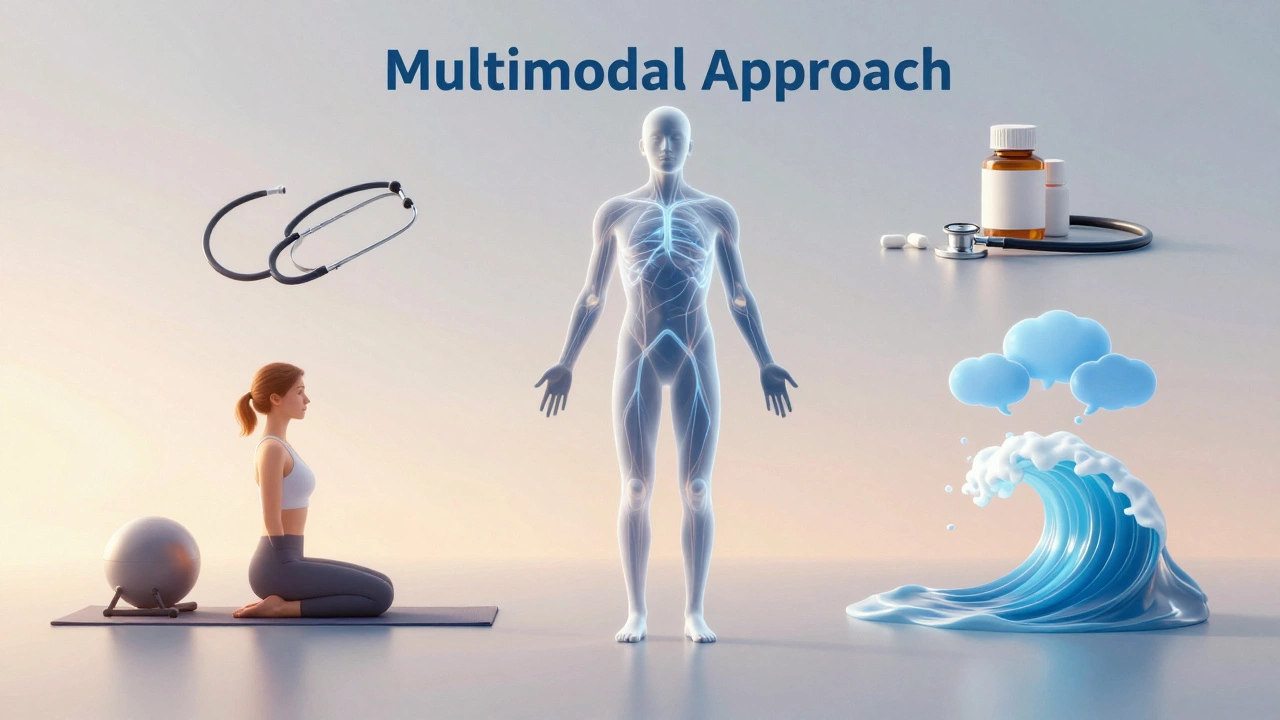
The current gold standard, supported by guidelines from organizations like the CDC and NICE (National Institute for Health and Care Excellence), is a multimodal approach. This means combining different types of treatment-physical, psychological, and medical-to attack pain from multiple angles. Think of it like fighting a fire: you don't just throw water on one spot; you cut off the oxygen, remove the fuel, and cool down the surrounding area.
Non-Drug Therapies: The Foundation of Relief
Before reaching for a prescription, most specialists recommend starting with non-pharmacological interventions. These methods have the strongest evidence for providing sustainable, long-term relief without the risk of side effects or dependency.
Movement and Physical Therapy
It feels counterintuitive to move when you hurt, but movement is medicine. Physical therapy is not just about exercises; it is about retraining your body. A skilled physiotherapist will assess your movement patterns to identify weaknesses or imbalances that contribute to your pain. For example, lower back pain is often caused by weak core muscles or tight hip flexors, not just a "bad disc."
- Targeted Strengthening: Building muscle around joints provides natural support and reduces load on painful structures.
- Flexibility Training: Yoga and Pilates have been shown in numerous studies to reduce chronic low back pain and improve quality of life.
- Aerobic Exercise: Low-impact activities like swimming or walking release endorphins, your body's natural painkillers.
Cognitive Behavioral Therapy (CBT)
Pain is not just a physical sensation; it is an emotional experience. When pain persists, the brain creates pathways that amplify the signal. Cognitive Behavioral Therapy helps you change the way you think about and respond to pain. It doesn't mean the pain is "in your head," but rather that your brain's interpretation of the pain can be modified. CBT techniques include mindfulness, relaxation training, and cognitive restructuring to reduce the fear and anxiety that often accompany chronic pain.
Medication Options for Long-Term Control
When lifestyle changes aren't enough, medications can play a crucial role. The key is choosing the right class of drug for your specific type of pain.
| Medication Class | Best For | Key Benefits | Potential Risks |
|---|---|---|---|
| NSAIDs | Inflammatory pain (arthritis, tendonitis) | Reduces swelling and pain effectively | Stomach irritation, kidney issues with long-term use |
| Topical Agents | Localized joint or muscle pain | Minimal systemic side effects | Skin irritation at application site |
| Antidepressants (SNRIs/TCAs) | Nerve pain, fibromyalgia | Calms overactive nerves, improves sleep | Dry mouth, drowsiness, weight gain |
| Anticonvulsants | Neuropathic pain (sciatica, neuropathy) | Blocks abnormal nerve firing | Dizziness, blurred vision |
NSAIDs and Topical Treatments
Non-steroidal anti-inflammatory drugs (NSAIDs) like ibuprofen or naproxen are staples for inflammatory conditions. However, daily long-term use requires monitoring due to risks to the stomach and kidneys. Topical NSAIDs or capsaicin creams offer a safer alternative for localized pain because very little of the drug enters the bloodstream.
Antidepressants and Anticonvulsants
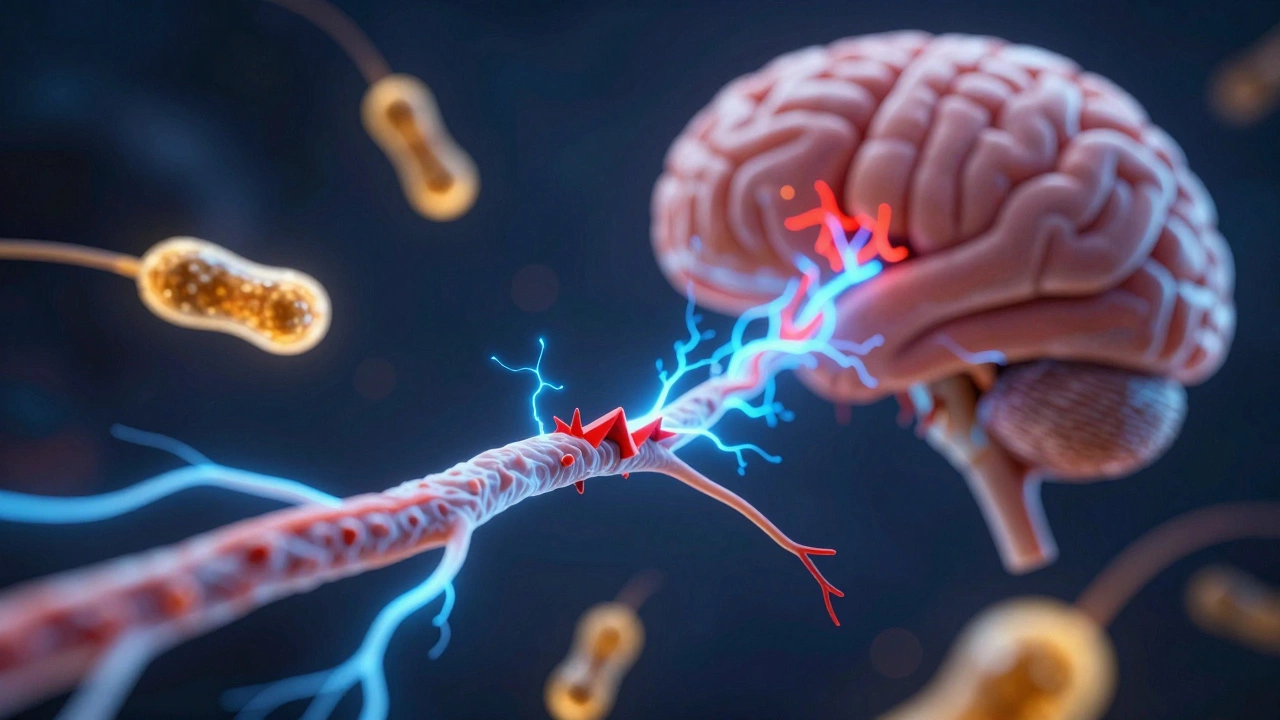
You might wonder why antidepressants are used for pain. Drugs like duloxetine (an SNRI) or amitriptyline (a TCA) work by increasing levels of serotonin and norepinephrine, chemicals that help inhibit pain signals in the spinal cord. They are particularly effective for nerve pain, which feels burning, shooting, or tingling. Similarly, anticonvulsants like gabapentin or pregabalin calm down overactive nerves.
Interventional Procedures
If conservative treatments fail, interventional procedures can provide targeted relief. These are minimally invasive options performed by pain specialists.
Epidural Steroid Injections
For pain radiating from the spine, such as sciatica, epidural steroid injections deliver corticosteroids directly to the inflamed area. This can reduce inflammation significantly, providing a window of relief during which you can engage in physical therapy. The effect may last from a few weeks to several months.
Nerve Blocks and Radiofrequency Ablation
Nerve blocks use local anesthetics to interrupt pain signals. For longer-lasting relief, radiofrequency ablation uses heat to disable the tiny nerve fibers carrying pain signals from arthritic joints. This procedure can provide pain relief for six months to a year or more, and it can be repeated if necessary.
Lifestyle Modifications That Matter
Your daily habits have a profound impact on pain perception. Small changes can lead to significant improvements in your overall well-being.
Sleep Hygiene
Pain disrupts sleep, and poor sleep lowers your pain threshold, creating a vicious cycle. Prioritizing good sleep hygiene is essential. Keep a consistent bedtime, ensure your bedroom is dark and cool, and avoid screens before bed. Treating underlying sleep disorders like sleep apnea can also dramatically reduce pain sensitivity.
Diet and Weight Management
Excess weight puts additional stress on weight-bearing joints like the knees and hips. Losing even a small amount of weight can significantly reduce pain. Additionally, an anti-inflammatory diet rich in omega-3 fatty acids (found in fish, flaxseeds), fruits, vegetables, and whole grains can help reduce systemic inflammation.
Stress Reduction
Stress triggers the release of cortisol and adrenaline, which can tighten muscles and amplify pain signals. Practices like meditation, deep breathing exercises, and spending time in nature can activate the parasympathetic nervous system, promoting relaxation and reducing pain intensity.

Emerging Therapies and Future Directions
Research into chronic pain is evolving rapidly. New technologies and treatments are offering hope for those who haven't found relief through traditional methods.
Spinal Cord Stimulation
This advanced therapy involves implanting a device that sends mild electrical pulses to the spinal cord. These pulses interfere with pain signals before they reach the brain, replacing them with a tingling sensation or no sensation at all. It is often used for severe back or leg pain that hasn't responded to other treatments.
Regenerative Medicine
Platelet-rich plasma (PRP) injections and stem cell therapy aim to heal damaged tissues rather than just mask pain. While still under investigation for many conditions, early results show promise for osteoarthritis and certain tendon injuries.
Finding the Right Specialist
Navigating the healthcare system for chronic pain can be overwhelming. Start with your primary care provider, who can rule out serious underlying conditions and refer you to a specialist. A pain management specialist is typically an anesthesiologist, physiatrist, or neurologist with additional training in pain medicine. They can coordinate a multidisciplinary team including physiotherapists, psychologists, and nurses to create a personalized plan for you.
Is it safe to take painkillers every day?
Taking over-the-counter painkillers like ibuprofen or acetaminophen daily can be risky. Long-term use of NSAIDs can damage your stomach lining and kidneys, while excessive acetaminophen can harm your liver. Always consult a doctor before using any medication daily for more than a few weeks. They may suggest safer alternatives or prescribe protective medications.
How long does it take for physical therapy to work for chronic pain?
Results vary depending on the condition and severity. Many people notice some improvement within 4 to 6 weeks of consistent therapy. However, true long-term relief often requires committing to a home exercise program and continuing movement practices indefinitely. Physical therapy is not a quick fix but a long-term strategy for building resilience.
Can chronic pain ever go away completely?
For some conditions, yes, especially if the underlying cause is treated successfully. However, for many chronic pain conditions, the goal is management rather than cure. With the right combination of therapies, most people can achieve significant reduction in pain and regain a high quality of life, even if occasional flare-ups occur.
What is the difference between acute and chronic pain?
Acute pain is a direct response to injury or illness and usually goes away as the body heals. Chronic pain persists for three months or longer, often after the initial injury has healed. It involves complex changes in the nervous system, making it harder to treat with simple painkillers alone.
Are opioids ever appropriate for long-term pain relief?
Opioids are generally not recommended as a first-line treatment for long-term chronic non-cancer pain due to risks of addiction, tolerance, and side effects. They may be considered in rare cases when all other options have failed, but only under strict supervision by a pain specialist with regular monitoring.