

Waiting Time Estimator
Your Procedure
Estimated Results
Compare waiting times for your selected procedure
When you’re lying on a hospital bed waiting for a scan, and the nurse says, ‘You’ll have to wait six weeks,’ you don’t care about ideology. You care about when you’ll feel better. That’s the moment private healthcare stops being a political debate and becomes a personal decision.
Waiting Lists Don’t Care About Your Pain
Public healthcare systems, like the NHS in the UK, are built on fairness. Everyone gets the same access. But fairness doesn’t mean speed. In 2024, over 7 million people in the UK were waiting for routine hospital treatment. Some waited more than a year for hip replacements. For chronic back pain, nerve damage, or early-stage cancer screenings, that delay isn’t just inconvenient-it’s dangerous.Private healthcare cuts that wait time. You don’t need to be in crisis to get seen. A specialist appointment? Often within days. An MRI? Same week. A surgeon’s slot? Booked before your next coffee break. This isn’t luxury. It’s practical. When your body is failing, time isn’t money-it’s mobility, dignity, and sometimes life.
You Pay for Control, Not Just Care
Private healthcare isn’t about getting a better hospital gown. It’s about choice. You pick your doctor. You pick the hospital. You pick when the procedure happens. You’re not shuffled into a queue based on triage codes or regional funding caps.Take a woman in Manchester with persistent pelvic pain. In the public system, she’s passed between GPs, then referred to a gynaecologist, then put on a waiting list. By the time she sees a specialist, her condition has worsened. With private care, she books directly with a leading gynaecologist at a clinic she researched. She gets a full diagnostic workup in one visit. She knows the cost upfront. She doesn’t need a referral from someone who’s never heard of her condition.
That’s control. And control reduces stress. Stress slows healing. Private care removes the bureaucratic fog that makes patients feel powerless.
Quality Isn’t Always About Price
People assume private hospitals are just fancy versions of public ones. They’re not. Many private clinics specialize. A private orthopaedic centre might only do knee replacements-hundreds a year. That focus means better outcomes. Studies from the UK’s private healthcare sector show 15-20% lower complication rates for common surgeries like hernia repairs and cataract removals compared to public hospitals.Why? Because staff aren’t spread thin. Surgeons aren’t doing 12 procedures back-to-back because the system demands volume. Nurses have time to explain recovery steps. Recovery rooms are quieter. Infection control is tighter. You’re not sharing a ward with someone who’s been waiting three months for a catheter change.
Private care doesn’t mean better drugs. It means better timing, better attention, and better systems built around the patient, not the budget.
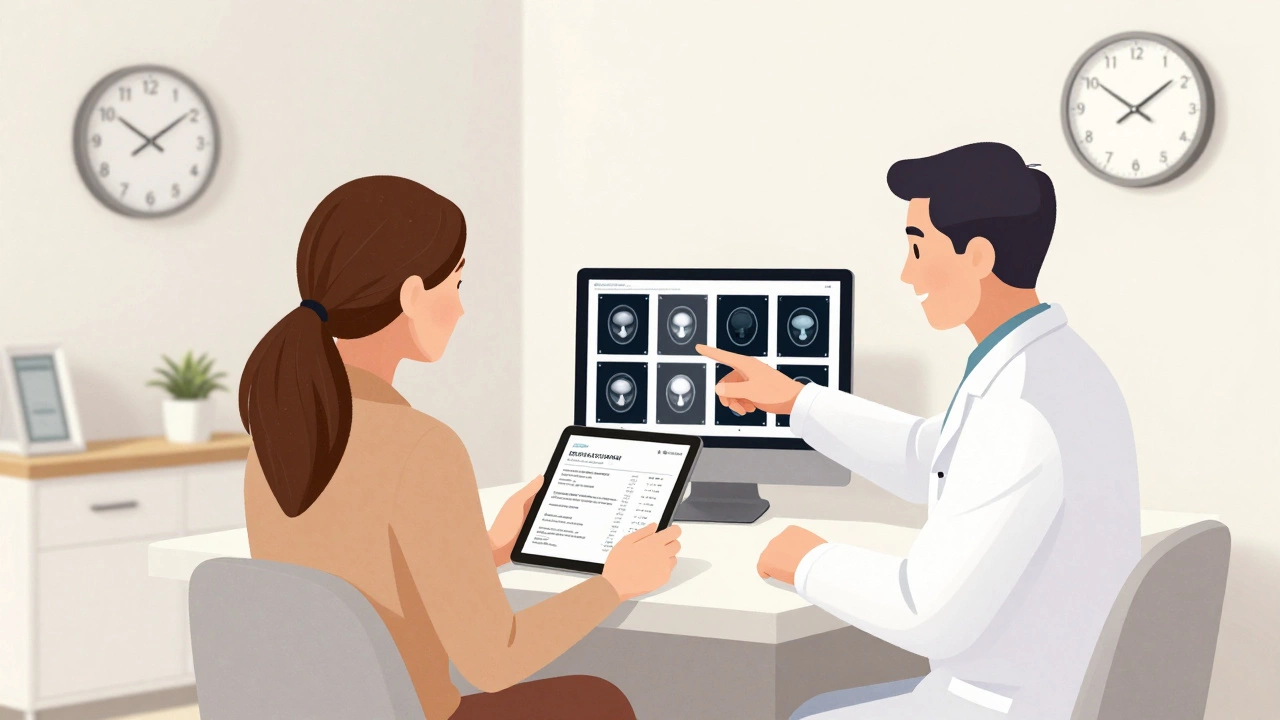
It’s Not Just for the Rich
A common myth is that private healthcare is only for millionaires. It’s not. In the UK, over 1.2 million people have private health insurance through their employers. Millions more pay for it directly-often through monthly plans that cost less than a Netflix subscription. For £30-£50 a month, you can get access to GP consultations, diagnostics, and priority surgery.People use it for minor things: a skin biopsy, a physio referral, a mental health session. They use it when they need a second opinion. They use it when their public doctor says, ‘Wait and see,’ but their gut says, ‘Something’s wrong.’
Private healthcare isn’t an alternative to public care. It’s an insurance policy against being ignored.
The System Isn’t Broken-It’s Just Overloaded
Critics say private healthcare undermines public systems. That’s a distraction. The NHS is underfunded, understaffed, and overwhelmed. Adding private options doesn’t drain it-it relieves pressure. When 20% of patients choose private care for non-emergency treatments, public hospitals can focus on emergencies, complex cases, and vulnerable populations.Think of it like traffic. If you have one road for all cars, it jams. Add a toll lane, and traffic flows better for everyone. The toll lane doesn’t destroy the free road-it gives people who need speed a way out.
Private healthcare doesn’t take from the public system. It gives the public system breathing room.
What You Get Beyond the Treatment
Private care comes with extras most people don’t expect. No more calling at 9 a.m. to book an appointment and getting a slot three weeks out. You get online booking, text reminders, digital records, and aftercare support. Many private clinics offer virtual follow-ups. You don’t need to take a day off work to sit in a waiting room.Some even include access to mental health coaches, nutritionists, or sleep specialists as part of the plan. These aren’t luxuries-they’re parts of real recovery. Healing isn’t just about fixing a broken bone. It’s about sleep, stress, diet, and confidence.
Public healthcare gives you treatment. Private healthcare gives you a recovery plan.

It’s Not About Greed-It’s About Autonomy
The strongest argument for private healthcare isn’t speed or comfort. It’s autonomy. You should be able to decide how you want to be treated. Not your local health board. Not your MP. Not a spreadsheet that ranks your pain on a scale of 1 to 10.When you pay for private care, you’re not buying privilege. You’re buying the right to make decisions about your own body. That’s not selfish. It’s human.
Would you let someone else choose your dentist? Your therapist? Your fertility clinic? Why should your hospital be any different?
When Private Care Isn’t the Answer
Private healthcare isn’t perfect. It’s not for emergencies. It’s not for lifelong conditions that require constant, complex care like advanced MS or severe dementia. For those, public systems are essential.It’s also not for people who can’t afford it. That’s why it should exist alongside-not replace-the NHS. The goal isn’t to make everyone private. It’s to make sure private care is available to those who want it, without guilt or stigma.
Most people who use private care don’t reject public healthcare. They use both. They get their annual checkup through the NHS. They pay privately for a faster MRI when they need it. That’s smart. That’s practical. That’s real life.
Final Thought: Your Body, Your Choice
Healthcare shouldn’t be a lottery. But right now, in many places, it is. If you’re lucky, you get seen quickly. If you’re not, you wait. And while you wait, your condition gets worse.Private healthcare doesn’t fix the system. But it gives people a way out of the waiting room. And sometimes, that’s all you need to get your life back.