
Dental Implant Candidacy & Cost Estimator
Patient Profile
Candidacy Assessment
Key Factors Identified
Estimated Private Cost (UK)
Based on current market rates (£1,500 - £3,000 per implant)
*NHS coverage is rare for cosmetic/functional improvement in seniors. Prices vary by location.
Enter your details to check eligibility
This tool provides an educational estimate based on general guidelines.
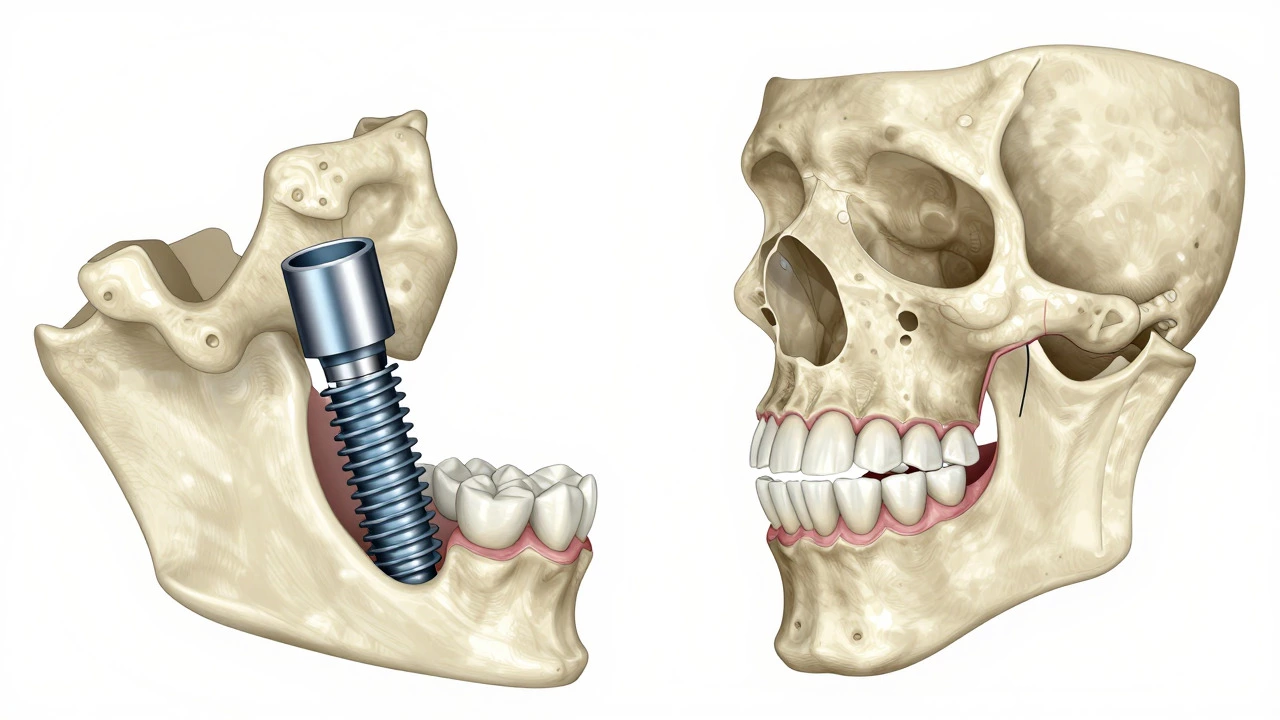
Does your dentist say you are too old for implants? Or perhaps you lost a tooth years ago and worry the window has closed. The short answer is that there is no upper age limit for dental implants, which are titanium posts surgically placed into the jawbone to replace missing teeth roots. You can get them at 70, 80, or even 90. The real question isn't about your birthday. It is about your health.
In the UK, thousands of patients over 65 successfully receive implants every year. However, biological factors like bone density and systemic conditions play a bigger role than chronological age. If you have been avoiding treatment because you think it is 'too late,' this guide will clear up the myths and explain what actually determines if you are a candidate.
The Myth of the Age Limit
Society often treats aging as a decline in all things, but modern dentistry disagrees. There is no specific age where implants become impossible. In fact, many older adults are better candidates than younger people who smoke heavily or have poor oral hygiene habits. The key factor is physiological age, not the number on your ID card.
Research from the National Health Service (NHS) and private clinics across the UK shows high success rates for seniors. A study published in the British Dental Journal noted that implant survival rates for patients over 70 are comparable to those in their 40s, provided general health is stable. So, if you are 75 and healthy, you are likely just as good a candidate as someone half your age.
Bone Loss: The Real Time Constraint
If age isn't the barrier, what is? The biggest enemy of dental implants is time without teeth. When you lose a tooth, the jawbone underneath it starts to shrink. This process is called resorption. Without the root of the tooth to stimulate it, the body reabsorbs the bone material. Within five years of losing a tooth, you can lose up to 40% of the width of the underlying jawbone.
This bone loss creates two problems:
- Stability Issues: Implants need solid bone to anchor into. If the bone is too thin or soft, the implant may fail to fuse with the jaw (a process called osseointegration).
- Aesthetic Problems: Severe bone loss can change the shape of your face, leading to a sunken appearance around the mouth.
However, even significant bone loss doesn't mean it is too late. Techniques like bone grafting can rebuild the foundation. Surgeons use materials like synthetic hydroxyapatite or donor bone to fill gaps. Once healed, usually after four to six months, the site is ready for an implant. So, while waiting makes the procedure more complex, it rarely makes it impossible.
Health Conditions That Matter More Than Age
Your overall medical history is the primary filter for implant surgery. Dentists look for conditions that affect healing or increase infection risk. Here are the main concerns:
| Condition | Impact on Implants | Management Strategy |
|---|---|---|
| Uncontrolled Diabetes | Slows healing and increases infection risk | HbA1c levels must be below 7-8% before surgery |
| Osteoporosis | Reduces bone density; some medications interfere with healing | Consultation with GP; potential pause on bisphosphonate drugs |
| Smoking | Cuts blood flow, raising failure rates by up to 50% | Quitting 2 weeks before and after surgery is critical |
| Radiation Therapy | Damages blood vessels in the jaw area | Hyperbaric oxygen therapy may be required pre-surgery |
If you have osteoporosis, you might be taking bisphosphonates. These drugs strengthen bones but can sometimes cause rare complications in the jaw called osteonecrosis. Your surgeon will review your medication list carefully. Often, a short break from the medication under doctor supervision allows safe surgery.
NHS vs. Private Options in the UK
One reason people delay treatment is cost. On the NHS, dental implants are rarely covered. They are typically reserved for cases where conventional dentures cannot be used due to anatomical abnormalities or severe trauma. For most elderly patients seeking cosmetic or functional improvement, the route is private care.
Private costs in the UK vary widely. A single implant can range from £1,500 to £3,000 depending on the location and complexity. London clinics tend to charge more. However, many practices offer payment plans. Some also provide lifetime warranties on the implant fixture itself, though the crown (the visible tooth part) may need replacement after 10-15 years.
It is worth noting that delaying treatment can increase long-term costs. If bone loss progresses, you may need expensive bone grafts later. Addressing the issue sooner often means a simpler, cheaper procedure.
The Evaluation Process: What to Expect
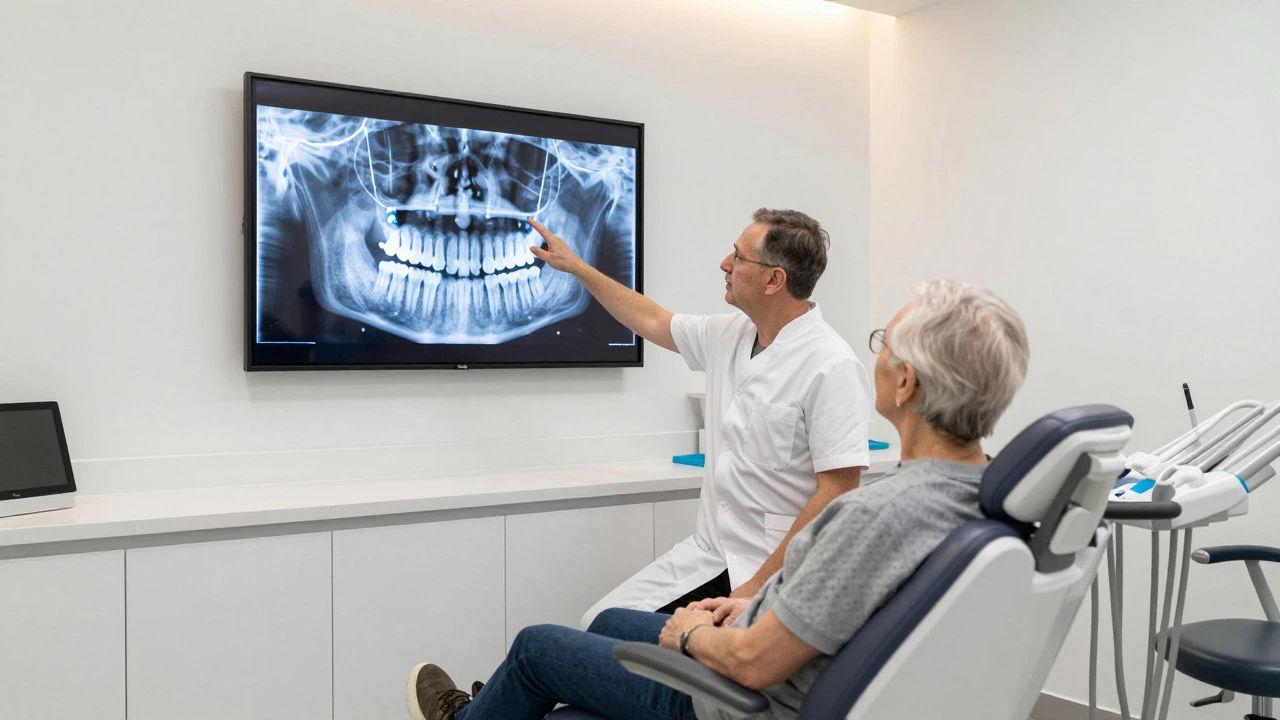
Before saying yes, your dentist will perform a thorough assessment. This usually includes:
- CBCT Scan: A 3D X-ray that maps the exact volume and density of your jawbone. This is crucial for planning implant placement.
- Medical History Review: Discussing medications, allergies, and past surgeries.
- Oral Exam: Checking gum health. Periodontal disease (gum disease) must be treated before placing an implant, or it could spread to the new tooth.
If you have never had implants, don't worry about the pain. The procedure is done under local anesthesia, similar to getting a filling filled. Many patients report less discomfort than they expected. Recovery involves a few days of soft foods and swelling management.
Alternatives If Implants Aren't Possible
In rare cases, health issues might make surgery risky. If implants are off the table, you still have options:
- Resin-Bonded Bridges: Also known as Maryland bridges, these attach to adjacent teeth without crowning them down. Good for front teeth.
- Traditional Bridges: Requires grinding down neighboring teeth to support a false tooth. Durable but invasive.
- Overdentures: Dentures that snap onto a few implants. Even one or two implants can stabilize a lower denture significantly.
These alternatives preserve function and aesthetics without the surgical risks associated with full implant integration.
Is 80 years old too late for dental implants?
No, 80 is not too late. As long as you are in good general health and have sufficient bone density, you can receive implants. Many patients in their 80s and 90s enjoy improved chewing ability and confidence after treatment.
Can I get dental implants if I have diabetes?
Yes, but your diabetes must be well-controlled. High blood sugar levels slow healing and increase infection risk. Most surgeons require your HbA1c level to be below 7% or 8% before proceeding with surgery.
How much do dental implants cost in the UK for seniors?
Costs vary by region and clinic. A single implant typically costs between £1,500 and £3,000. Additional procedures like bone grafts can add £500 to £1,500. Payment plans are commonly available through private practices.
Will the NHS pay for dental implants for elderly patients?
Rarely. The NHS usually only covers implants for medically necessary cases, such as congenital defects or trauma. For age-related tooth loss, treatment is almost always private.
What happens if my jawbone is too thin for an implant?
You can undergo bone grafting. This procedure adds bone material to the deficient area. After 4-6 months of healing, the bone strengthens enough to support an implant. It extends the timeline but preserves the option.