
Mental Health Statistics: What the Data Really Shows About Stress, Anxiety, and Recovery
When we talk about mental health statistics, quantifiable measures of psychological well-being, disorder prevalence, and treatment access across populations. Also known as psychological health data, these numbers don’t just track illness—they show how daily life is quietly wearing people down. In the UK, one in four adults will experience a mental health issue each year. That’s not a distant statistic. That’s someone you know. Maybe it’s you. The most common conditions? Anxiety and depression. Together, they account for over 75% of all mental health diagnoses reported to GPs.
What’s driving this? It’s not just big life events. It’s the slow burn: sleepless nights from work stress, isolation after lockdowns, constant scrolling that rewires your brain, and the pressure to keep smiling while you’re falling apart. A 2023 NHS survey found that 30% of adults said their mental health had gotten worse over the past two years—not because of a crisis, but because of daily exhaustion. And here’s the gap: while 7 in 10 people say they need help, only 1 in 3 actually get it. Why? Long waits, cost barriers, and the stubborn belief that you should just "get over it." Meanwhile, stress, the body’s automatic response to pressure, often chronic and unmanaged is quietly raising cortisol levels, tightening muscles, and locking pain into the neck, back, and shoulders. That’s where remedial massage, a targeted therapy to release deep tissue tension and calm the nervous system steps in—not as a cure, but as a necessary reset button. It doesn’t replace therapy or medication. But it does lower heart rate, reduce muscle tension, and give your brain a chance to breathe.
What you’ll find in these posts isn’t just cold data. It’s the real stories behind the numbers: how poor sleep steals your focus, how isolation makes anxiety worse, how painkillers fail when the real problem is your nervous system screaming for relief. You’ll see why some people turn to massage after years of failed meds, why others finally feel heard when their body is touched with care instead of ignored. These aren’t fluffy wellness claims. They’re backed by what people actually live through—and what the data confirms is happening across the Midlands and beyond.
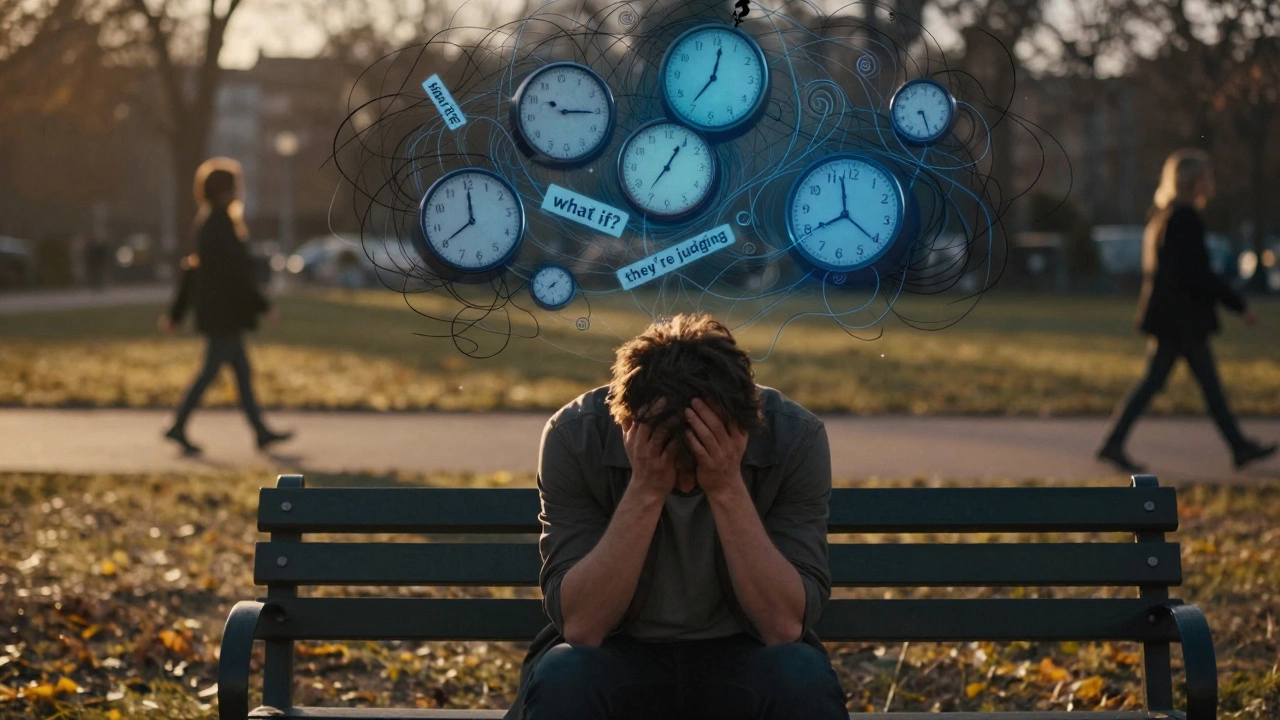
What Is the Most Diagnosed Mental Disorder?
Anxiety disorders are the most diagnosed mental health condition worldwide, affecting nearly 20% of adults in the U.S. alone. Learn why it's so common, how it shows up, and what actually works to manage it.
Categories: Mental Health Support
0