
Depression and Massage Therapy: How Touch Can Help Ease Symptoms
When you're living with depression, a persistent low mood that affects energy, sleep, and motivation. Also known as clinical depression, it’s not just feeling sad—it’s a physical state that changes how your body responds to stress, pain, and even touch. Many people think of depression as something you fix with pills or talk therapy. But what if your body also needs to be reminded it’s safe? Massage therapy isn’t a cure, but it’s a powerful tool that helps reset your nervous system when everything else feels overwhelming.
Depression often goes hand-in-hand with chronic stress, a constant state of tension that keeps your body stuck in fight-or-flight mode. That means higher cortisol, tighter muscles, and disrupted sleep—all things that make depression harder to manage. Massage therapy directly lowers cortisol and boosts serotonin and dopamine, the same chemicals many antidepressants aim to influence. It’s not magic, but it’s science: one study showed people with depression who got weekly massages for four weeks reported better sleep and less anxiety than those who didn’t. And you don’t need to believe in it to feel the difference—your body feels it anyway.
It also connects to pain management, how your body processes discomfort when your mind is in distress. Chronic pain and depression feed each other. If your back hurts, you move less. Less movement means more stiffness, more tension, more low mood. Massage breaks that loop. It loosens tight muscles, improves circulation, and sends signals to your brain that say, "You’re not in danger." That’s why people with depression who also deal with back pain or headaches often feel a shift after just a few sessions—not because the pain vanished, but because their body stopped screaming for help.
Massage doesn’t replace therapy or medication. But for people who feel numb, stuck, or disconnected from their body, it’s a way back in. It’s quiet. It doesn’t require you to talk. You just lie there, breathe, and let someone else hold space for your tension. And sometimes, that’s enough to make the next day a little easier.
Below, you’ll find real stories and insights from people who’ve used massage to manage depression—not as a fix, but as part of a daily practice of self-care. Some found relief through regular sessions. Others noticed small shifts: sleeping better, breathing deeper, feeling less alone. These aren’t grand claims. They’re quiet wins. And they matter.
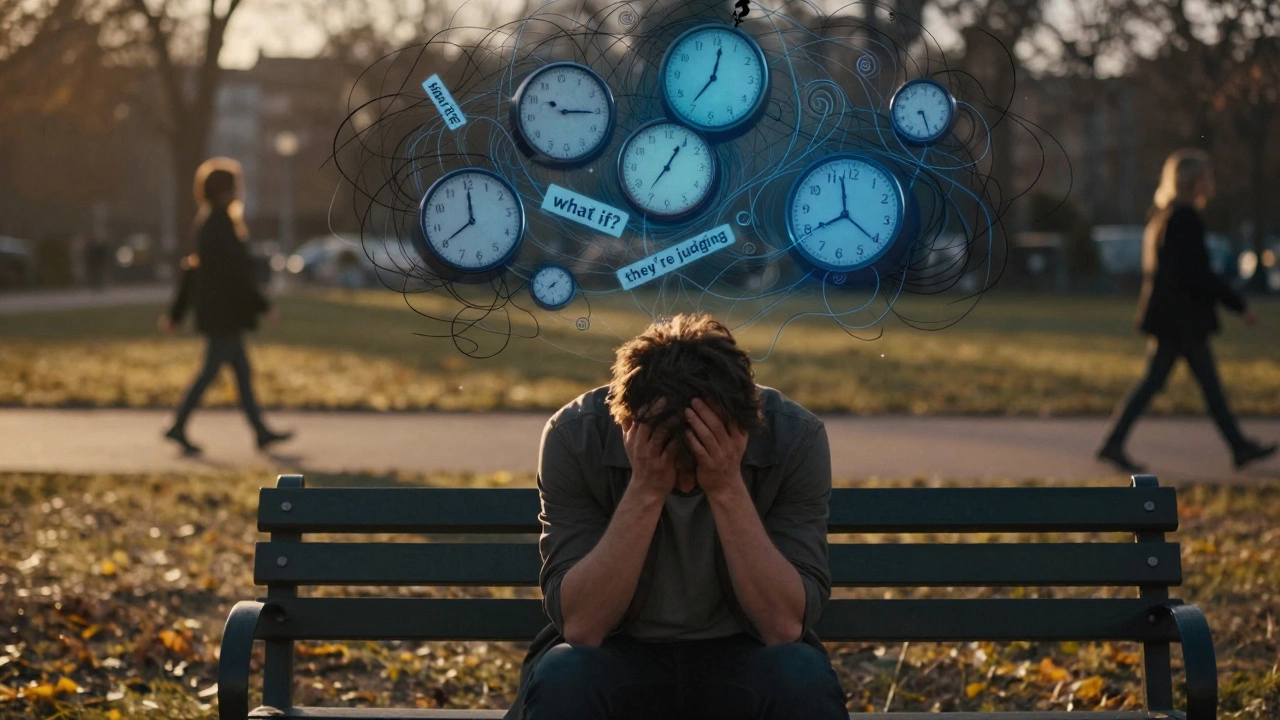
What Is the Most Diagnosed Mental Disorder?
Anxiety disorders are the most diagnosed mental health condition worldwide, affecting nearly 20% of adults in the U.S. alone. Learn why it's so common, how it shows up, and what actually works to manage it.
Categories: Mental Health Support
0