
Common Mental Illness: Signs, Triggers, and Real Ways to Cope
When we talk about common mental illness, a group of conditions including depression, anxiety, and PTSD that affect how people think, feel, and function daily. It’s not just feeling down—it’s when everyday tasks feel impossible, and the weight doesn’t lift no matter how hard you try. Millions live with it quietly, often without a diagnosis, because symptoms sneak up like a slow leak—no bang, just a steady drip.
Chronic stress, a constant state of mental and physical tension that wears down the nervous system over time is one of the biggest drivers. It’s not the big crisis—it’s the 70-hour workweeks, the unpaid bills, the sleepless nights caring for someone else. Then there’s isolation, the quiet erosion of connection that happens when you stop calling friends, skip family events, or feel too drained to show up. And substance abuse, using alcohol, drugs, or even food to numb emotional pain—it’s not a choice, it’s a coping mechanism that makes things worse.
These aren’t random factors. They feed each other. Poor sleep from stress makes you more likely to reach for a drink. Isolation makes stress harder to manage. And substance use doesn’t fix anything—it just delays the crash. The real problem? Most people think they just need to "snap out of it." But you can’t think your way out of a brain that’s been rewired by prolonged pressure.
That’s why simple fixes rarely work. You can’t meditate your way out of depression if you’re working two jobs and sleeping on the couch. You can’t journal your way out of anxiety if you’re surrounded by noise and no one to talk to. What helps? Small, consistent changes. Movement that doesn’t feel like a chore. A 10-minute walk at lunch. Talking to one person who doesn’t judge. Eating something real instead of grabbing snacks because you’re too tired to cook.
And here’s the truth: common mental illness isn’t a weakness. It’s a signal. Your body and mind are screaming for balance. The posts below don’t offer quick fixes. They show what actually moves the needle—how daily habits quietly damage or rebuild your mental health, why painkillers fail for emotional pain, and how therapy, movement, and community can bring back control—even when the pain doesn’t vanish.
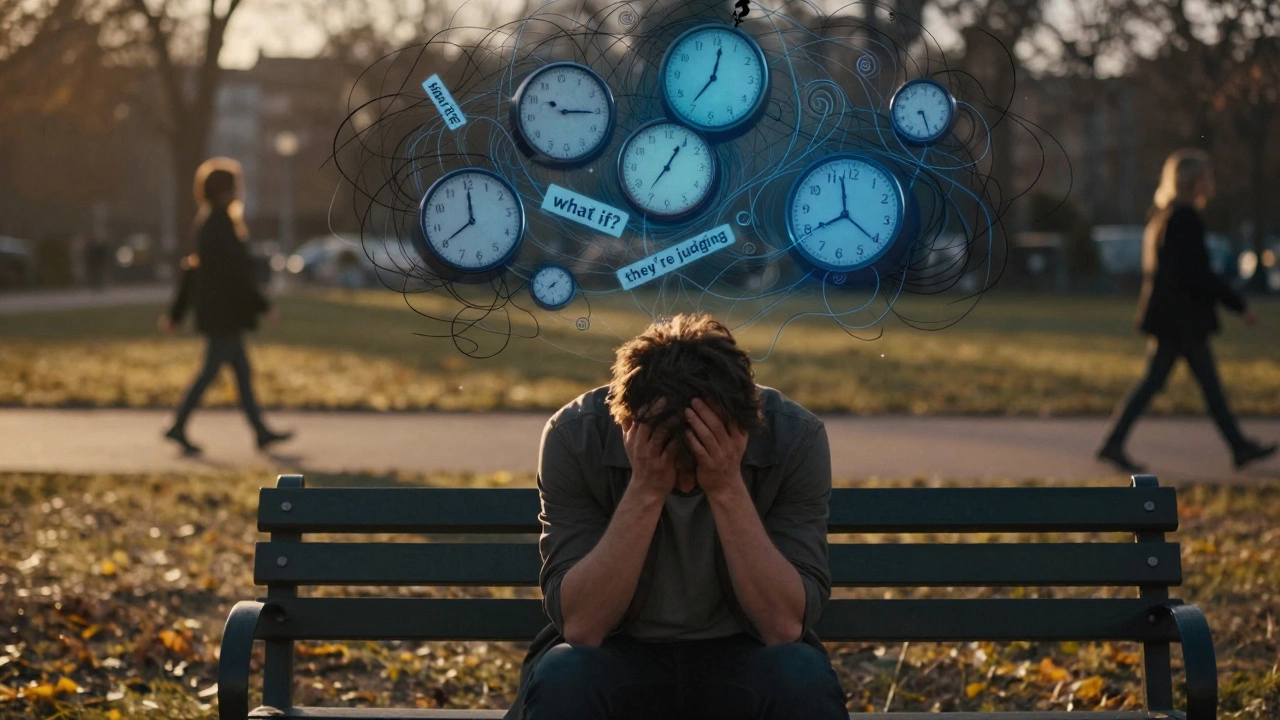
What Is the Most Diagnosed Mental Disorder?
Anxiety disorders are the most diagnosed mental health condition worldwide, affecting nearly 20% of adults in the U.S. alone. Learn why it's so common, how it shows up, and what actually works to manage it.
Categories: Mental Health Support
0