Private Healthcare Savings Calculator
Calculate your potential savings by implementing smart healthcare strategies. Based on the article's proven methods, you can save hundreds per year without compromising care.
Private healthcare in the UK doesn’t have to break the bank-but most people pay way more than they need to because they don’t know where to look. You don’t need to be rich to get fast, quality care outside the NHS. The trick isn’t skipping treatment-it’s being smart about how you pay for it.
Know what’s covered before you sign up
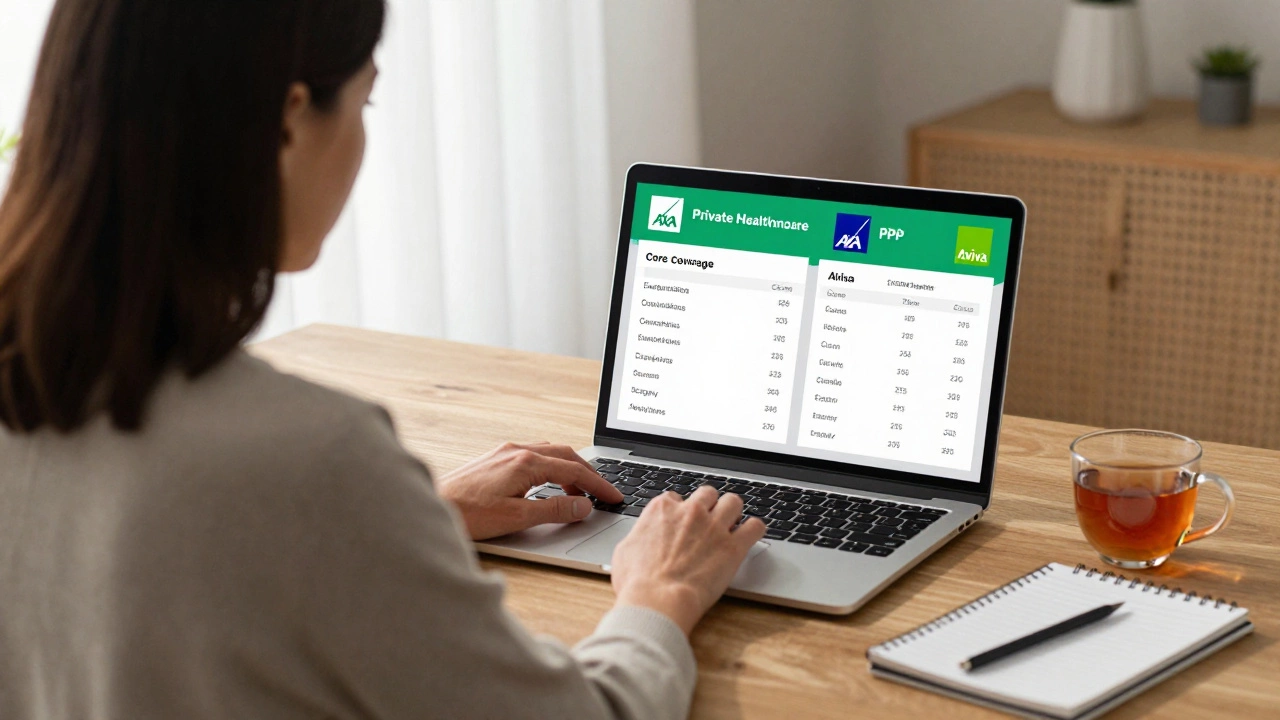
Private health insurance isn’t one-size-fits-all. Many people buy the most expensive plan because they think it’s the best. It’s not. A full-cover policy might include things like cosmetic dentistry, fertility treatments, or alternative therapies you’ll never use. That’s money wasted.Look for policies that cover what you actually need: consultations, diagnostic scans, surgery, and hospital stays. Most insurers offer core plans starting at £25-£40 a month for a 35-year-old. Compare policies using the private healthcare comparison tools from Bupa, AXA PPP, or Aviva. Don’t just pick the cheapest-check the exclusions. Some plans don’t cover pre-existing conditions for 2-5 years. Others limit how many physio sessions you can claim per year.
Ask for a list of approved hospitals and specialists. If your local clinic isn’t on the list, you might end up paying out-of-pocket anyway. Make sure the network includes providers near you. A plan that covers London hospitals but not your nearest one in Manchester is useless.
Use cash plans for everyday care
Health insurance won’t help you with routine stuff like dental checkups, eye tests, or physiotherapy. That’s where cash plans come in. These aren’t insurance-they’re prepaid benefits. You pay £10-£20 a month, and the provider gives you cash back when you use certain services.For example, you might get £50 back for a dental cleaning, £30 for an eye test, or £25 per physio session. Over a year, that adds up to hundreds. Companies like Simplyhealth, Healthshield, and Cashplan offer these. They’re perfect if you visit the dentist twice a year, need regular back treatments, or have kids who need glasses.
Don’t confuse cash plans with insurance. They don’t cover major surgery. But they cut the cost of the small, frequent expenses that pile up. Many employers offer them as a perk. If yours doesn’t, sign up yourself. It’s one of the easiest ways to save.
Pay upfront for discounts
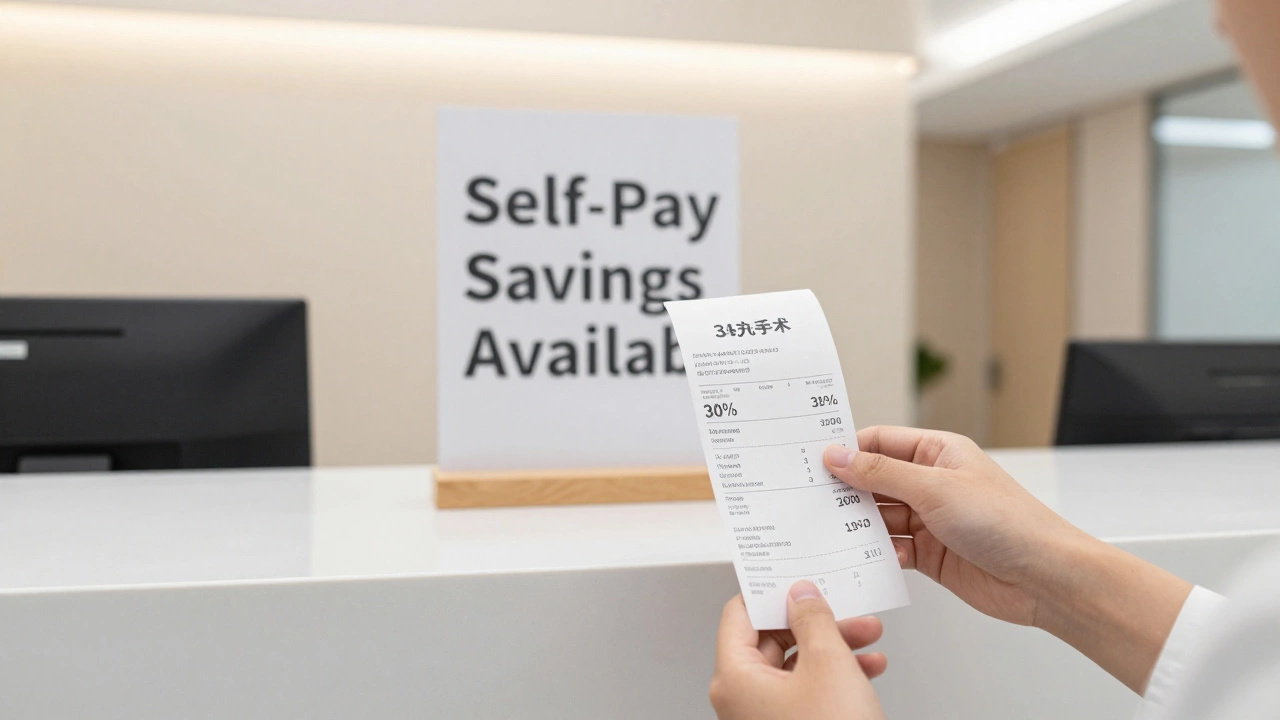
Hospitals and clinics hate unpaid bills. If you can pay cash for a procedure, you’ll often get a discount. No insurance? No problem. Many private hospitals offer 15-40% off if you pay in full before treatment.For example, a knee arthroscopy might cost £5,000 with insurance, but £3,200 if you pay upfront. A cataract operation could drop from £3,800 to £2,500. Ask for a written quote before you book. Some clinics even offer payment plans-interest-free, over 6-12 months. This lets you spread the cost without taking on debt.
Always ask: “Do you offer a self-pay discount?” Don’t assume they’ll tell you. Most don’t advertise it. You have to ask. And if they say no, try another provider. Prices vary wildly between hospitals-even in the same city.
Shop around like you’re buying a car
There’s no fixed price for private healthcare. A hernia repair at one clinic might cost £4,200. At another, just £2,800. Same surgeon. Same hospital grade. Same recovery time. The difference? Location, overhead, and how aggressively they compete.Use websites like Private Healthcare UK or MyHealthcare to compare prices for specific procedures. You can search by condition-like “hip replacement” or “endoscopy”-and see real-time quotes from dozens of providers. Read reviews. Check if they’re CQC-registered. Don’t go for the lowest price if the reviews are bad. But don’t pay extra for a fancy building if the care is the same.
Some hospitals specialize in fast-track care. They do 100+ knee replacements a month. They’re cheaper because they’re efficient. They don’t waste time on paperwork or luxury waiting rooms. That’s where the savings are.
Use online consultations to avoid unnecessary visits
You don’t need to pay £80 for a face-to-face GP appointment if your issue can be sorted by video. Online doctor services like Babylon Health, Livi, or Push Doctor cost £15-£25 per consultation. Many offer 24/7 access.Use them for: rashes, minor infections, prescription refills, mental health check-ins, or asking if you need an X-ray. If the online doctor says “go to A&E,” then go. If they say “wait and monitor,” you’ve saved £60+ and two hours of your time.
Some private insurers even cover online consults as part of their plan. Check your policy. If they don’t, use them anyway. It’s cheaper than walking into a private clinic for something that doesn’t need a physical exam.
Join a healthcare cooperative
A growing number of people are forming small healthcare co-ops. Think of it like a book club-but for medical care. You and 10-20 others pool money each month. The group hires a private GP or physio on retainer. Everyone gets discounted access.One group in Bristol pays £25/month each. They get unlimited GP video calls, 50% off scans, and priority booking for physio. No insurance. No bureaucracy. Just direct access to care at a fraction of the cost.
You can start one yourself. Find people through local Facebook groups, Nextdoor, or your workplace. Agree on rules: who can join, what services are covered, how much each person pays. Use a simple app like Stripe or PayPal to collect fees. It’s legal, low-risk, and growing fast.

Prevent problems before they cost you
The cheapest healthcare is the kind you never need. Small habits save big money long-term.- Get your blood pressure checked twice a year. High BP leads to strokes-costing £10,000+ in treatment.
- Manage your weight. Obesity increases your risk of diabetes, joint replacements, and heart surgery-all expensive.
- Take vitamin D in winter. Low levels are linked to chronic pain and weakened immunity, leading to more GP visits.
- Stretch daily. Lower back pain is the #1 reason people pay for private physio. A 10-minute routine can prevent it.
Prevention doesn’t cost much. A £50 annual health screening at a private clinic can catch a problem before it turns into a £5,000 emergency.
What not to do
Don’t skip insurance just to save money. If you have a sudden illness or injury, you’ll pay far more out-of-pocket than you ever would on a monthly plan.Don’t buy the most expensive plan thinking it’s safer. You’re paying for extras you don’t use.
Don’t ignore your NHS options. If you’re eligible for NHS care, use it. Private healthcare is for speed, not necessity. There’s no shame in waiting 6 weeks for a hip scan on the NHS if you can afford to.
Don’t assume all private clinics are expensive. Some are cheaper than NHS waiting times if you know where to look.
Real example: Sarah’s savings
Sarah, 42, used to pay £60/month for private insurance that covered things she never used. She switched to a basic plan for £32/month. She added a cash plan for £15/month. She paid upfront for her cataract surgery-saved £1,300. She uses Livi for colds and flu. She joined a local co-op for physio at £10 per session instead of £45.In one year, she spent £820 on healthcare. Last year, before she changed anything, she spent £2,100. That’s £1,280 saved. Not because she got worse care. Because she got smarter.
Can I use private healthcare without insurance?
Yes. Many private hospitals and clinics accept self-pay patients and offer discounts if you pay upfront. You can book procedures like hernia repairs, cataract surgery, or MRI scans directly without insurance. Just ask for a written quote and compare prices between providers.
Are cash plans worth it?
If you regularly use services like dental cleanings, eye tests, physiotherapy, or acupuncture, yes. A cash plan costing £15-£20 a month can give you back £300-£600 a year in cash payments. They’re not insurance, but they cover the small, frequent costs that insurance doesn’t touch.
How do I find cheaper private hospitals?
Use comparison sites like Private Healthcare UK or MyHealthcare. Search by procedure, not by hospital name. Look for clinics with high patient volumes-they’re often more efficient and cheaper. Check CQC ratings to ensure quality. Don’t assume bigger means better.
Is private healthcare faster than the NHS?
Usually, yes-for diagnostics and non-emergency surgery. While NHS waiting times for hip replacements can be 6-12 months, private clinics often schedule you within 2-4 weeks. But for emergencies or complex conditions, the NHS is just as fast-and free.
Can I switch private health insurance plans easily?
Yes. You can switch insurers at any time, but be careful about pre-existing conditions. Most providers will exclude conditions you had before switching. Wait until your current policy renews to avoid gaps. Compare plans using independent tools-not just the insurer’s own site.
If you’re paying over £50 a month for private healthcare and not using most of what’s covered, you’re overspending. The goal isn’t to get the most coverage-it’s to get the care you need, when you need it, without paying for what you don’t. Start small: compare one policy, ask for a discount on your next scan, try an online consult. The savings add up faster than you think.