

Healthcare Price Comparison Tool
Compare Your Procedure Costs
See how much you could save by comparing prices from different healthcare providers. Prices for the same procedure can vary significantly.
How to use this tool effectively
Follow these steps from the article:
- Call three clinics for the same procedure
- Ask about all costs (surgeon, hospital, anesthetist)
- Get written quotes before making decisions
Private healthcare doesn’t have to break the bank. If you’re paying out of pocket or through insurance, you’re probably tired of seeing bills that feel like they’re designed to scare you. The good news? There are real, practical ways to lower your private healthcare costs without sacrificing quality or access. It’s not about skipping care-it’s about being smarter about how you get it.
Know what your insurance actually covers
Most people think their private health insurance is a blank check. It’s not. Many policies have hidden limits: copays for specialist visits, caps on physiotherapy sessions, or exclusions for pre-existing conditions you didn’t even know about. Read your policy. Not the marketing brochure. The actual terms. Look for sections on out-of-pocket maximums, network restrictions, and pre-authorization requirements.For example, if your policy covers physiotherapy but only up to 10 sessions a year, and you need 15, you’re paying the extra five yourself. Instead of accepting that, ask your provider if they offer a payment plan. Many clinics will work with you if you’re upfront. Some even waive fees for patients who pay upfront in full.
Shop around like you would for a car
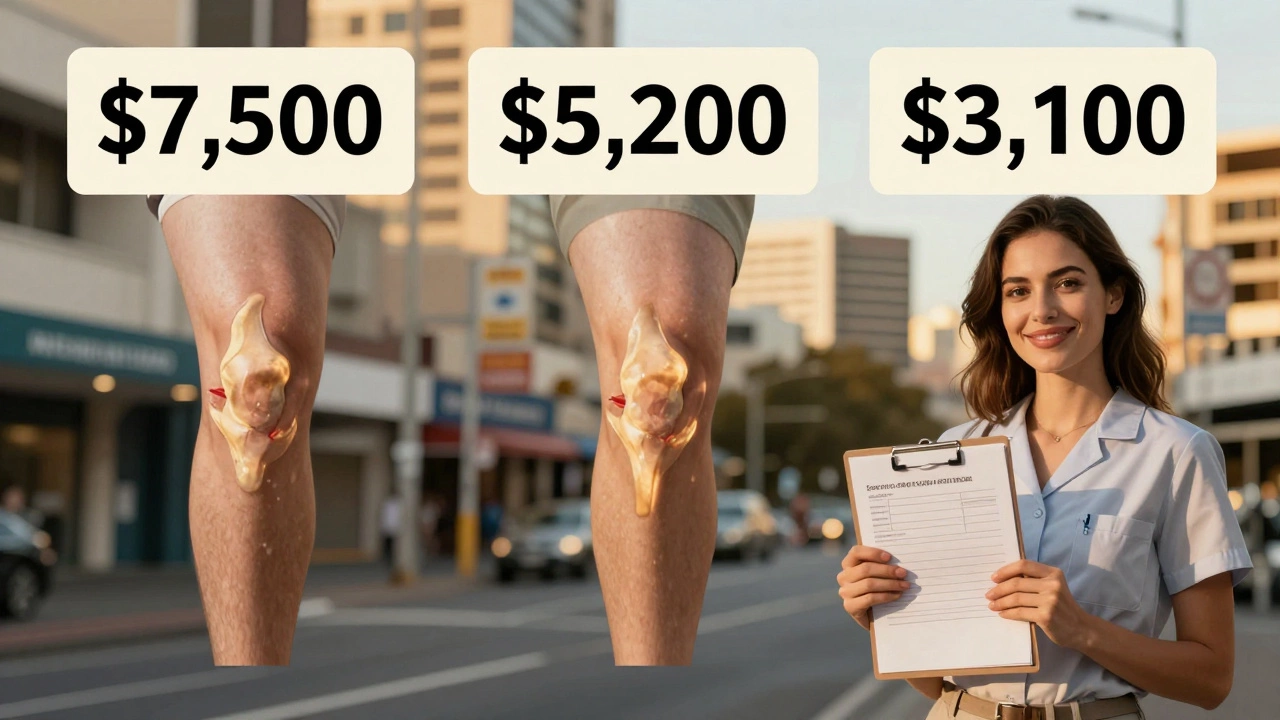
You wouldn’t buy a new SUV without checking three dealerships. Why do it with surgery? The same procedure-say, a knee arthroscopy-can cost $3,000 at one private hospital and $7,500 at another, even in the same city. Prices vary wildly because hospitals set their own fees, and many don’t publish them.Call three clinics. Ask: “What’s the total out-of-pocket cost for [procedure] including surgeon, anesthetist, hospital, and follow-up?” Write it down. Don’t settle for “It depends.” Get quotes in writing. A 2024 study by the Australian Private Hospitals Association found that price differences for common procedures ranged from 40% to 200% across providers in Sydney and Melbourne.
Use this data. If one clinic charges $5,200 and another charges $3,100 for the same service, you’re saving $2,100. That’s a vacation. Or a new pair of glasses. Or a year’s worth of prescription co-pays.
Choose high-deductible plans with health savings accounts
If you’re healthy and don’t need frequent care, a high-deductible health plan (HDHP) paired with a Health Savings Account (HSA) can save you thousands. These plans have lower monthly premiums-sometimes 30-50% less than standard plans. The catch? You pay more upfront when you need care. But here’s the trick: you can put pre-tax money into an HSA, which grows tax-free and can be used for medical expenses now or later.In Australia, while HSAs aren’t officially called that, similar options exist through private health funds offering “health savings features.” Some let you contribute extra funds that roll over year to year and can be used for dental, optical, or physio. Use them. Don’t let the money sit idle. If you don’t use it, you lose the benefit.
Prevent problems before they become expensive
The most expensive healthcare is the kind you didn’t see coming. A slipped disc turns into surgery. A minor infection becomes sepsis. Preventive care isn’t just good advice-it’s your financial shield.Get your annual check-up. Don’t skip your blood pressure or cholesterol screen. If you’re over 45, ask about colon cancer screening. These tests often cost less than $100 out of pocket and can catch issues before they turn into $50,000 emergencies. Many private clinics offer bundled preventive packages for under $200. That’s cheaper than a single specialist consultation.
Also, track your symptoms. Keep a simple log: when your back hurts, how long it lasts, what makes it better. Bring it to your doctor. It saves time, reduces unnecessary tests, and helps your provider make faster, cheaper decisions.
Use telehealth for non-emergencies
You don’t need to drive across town, sit in a waiting room for an hour, and pay $150 for a doctor to tell you to rest and drink water. Telehealth consultations for minor issues-rashes, colds, urinary infections, mental health check-ins-are often $40-$60 and available within hours.Many private insurers now cover telehealth at 100%. Even if they don’t, the cost is still a fraction of an in-person visit. Apps like HealthDirect and MyHealthRecord in Australia connect you to accredited GPs who can issue prescriptions, referrals, or sick notes without you leaving home.
Use it. Not because it’s convenient-but because it’s cheaper. And if your issue turns serious, the GP can refer you directly to a specialist within your network, avoiding costly missteps.
Ask for cash discounts
Hospitals and clinics hate unpaid bills. If you can pay upfront in cash or via direct bank transfer, many will give you a 15-30% discount. It’s not a secret. It’s just not advertised.Before you book a procedure, say: “I’m paying out of pocket. Do you offer a cash discount?” If they hesitate, ask for the billing manager. They have more flexibility than front desk staff. One patient in Brisbane paid $2,800 instead of $4,200 for a hip injection by simply asking. No negotiation. No pressure. Just a direct question.
Same goes for prescriptions. Ask your pharmacist if the medication is available as a generic. Ask if they have a loyalty program. Some pharmacies offer 10% off if you pay for a three-month supply at once.

Join a group health plan through your workplace or association
If you’re self-employed or work for a small business, your private health insurance might be expensive because you’re buying it alone. But if you join a professional association-like a teachers’ union, a small business chamber, or even a gym that partners with insurers-you can access group rates.Group plans often have lower premiums because the risk is spread across hundreds of people. Some offer benefits like free annual check-ups, discounted physio, or waived waiting periods for pre-existing conditions. One Sydney-based freelance designer joined her local chamber of commerce plan and cut her annual premium from $2,100 to $1,350-without losing coverage.
Don’t ignore the long game: your health is your biggest asset
Lowering healthcare costs isn’t just about cutting corners. It’s about investing in habits that keep you out of the system. Sleep seven hours. Move daily. Cut back on sugar and processed food. Manage stress. These aren’t just wellness trends-they’re financial decisions.A 2025 report from the University of Melbourne found that people who maintained healthy lifestyles spent 68% less on private healthcare over five years than those who didn’t. That’s not a guess. That’s data. Every hour you spend walking instead of scrolling, every meal you cook instead of ordering, every time you choose water over soda-you’re lowering your future medical bills.
What to do next
Start small. Pick one thing from this list and do it this week.- Call your insurer and ask for a full breakdown of your coverage.
- Get three quotes for a procedure you’re considering.
- Set up a health savings account or use your fund’s savings feature.
- Schedule your annual check-up.
- Ask your next doctor if you can use telehealth next time.
Private healthcare doesn’t have to be a financial trap. You have more control than you think. Start using it.
Can I negotiate medical bills after I receive them?
Yes. Many private clinics and hospitals have financial assistance programs. If you’re hit with a bill you can’t afford, call the billing department within 30 days. Explain your situation. Ask if they offer payment plans, discounts for early payment, or charity care. Don’t ignore the bill-reach out. Most will work with you.
Is private healthcare cheaper than public in Australia?
It depends. For non-urgent care, private healthcare often gets you faster access but at a higher cost. Public hospitals are free for citizens, but wait times can be months for elective surgery. Private care avoids those waits but requires insurance or out-of-pocket payment. For many, the trade-off is worth it-but only if you’re managing costs wisely.
Do I need private health insurance if I’m young and healthy?
Not necessarily. But if you go without it past age 31, you’ll pay a Lifetime Health Cover loading-1% extra per year you delay-when you eventually sign up. That adds up. Even a basic policy with hospital cover for $100 a month protects you from surprise costs like appendicitis or a broken bone. It’s insurance, not luxury.
Can I use my private health insurance overseas?
Most Australian private health funds offer limited overseas cover, usually only for emergencies. It won’t cover routine care, dental, or physio abroad. If you travel often, buy separate travel insurance. Don’t assume your domestic policy works overseas. Always check your product disclosure statement.
What’s the biggest mistake people make with private healthcare?
They assume their insurance covers everything-and then get shocked by the bill. The biggest gap? Extras like dental, optical, and physio. Many policies have low annual limits. People don’t track their usage. By month 10, they’ve used up their $500 dental benefit and still need a crown. Plan ahead. Know your limits. Use your benefits before they expire.