
Chronic Pain Management Simulator
Drag the sliders to represent your current situation. Higher values indicate higher stress or intensity in that area.
Moderate Pain
Your nervous system is moderately sensitized. Daily activities may be challenging but manageable with effort.
Click on the strategies below to see how they specifically target and reduce different factors contributing to your pain.
Physical Therapy
Gradual exercise and movement to rebuild strength and desensitize nerves.
CBT & Mindfulness
Cognitive Behavioral Therapy and meditation to change reaction to pain and reduce anxiety.
Support Groups
Connecting with others to reduce isolation and gain practical coping strategies.
Anti-inflammatory Diet
Nutrition focused on whole foods, omega-3s, and reducing sugar to lower inflammation.
Sleep Hygiene
Consistent bedtime routines and environment improvements to restore restorative sleep.
Medication Management
Targeted use of NSAIDs or nerve-calming meds at lowest effective doses.
It is a common myth that chronic pain cannot be managed. In reality, while it may not always be curable in the sense of disappearing completely, it can absolutely be controlled. The idea that you are stuck with unrelenting suffering is outdated. Modern medicine has shifted away from just trying to "fix" the broken part and toward helping your brain and body live better despite the pain signals.
If you have been told there is nothing more to do, or if you feel like you’ve hit a dead end, this guide will show you why that isn’t true. We’ll look at how pain actually works, what real management looks like, and the specific tools available to you right now.
The Myth of the "Cure" vs. The Reality of Control
First, we need to redefine what success looks like. For many people, especially those dealing with acute injuries like a sprained ankle, the goal is total elimination of pain. Once the tissue heals, the pain stops. But chronic pain is a complex condition where pain persists for longer than three months, often outlasting the initial injury.
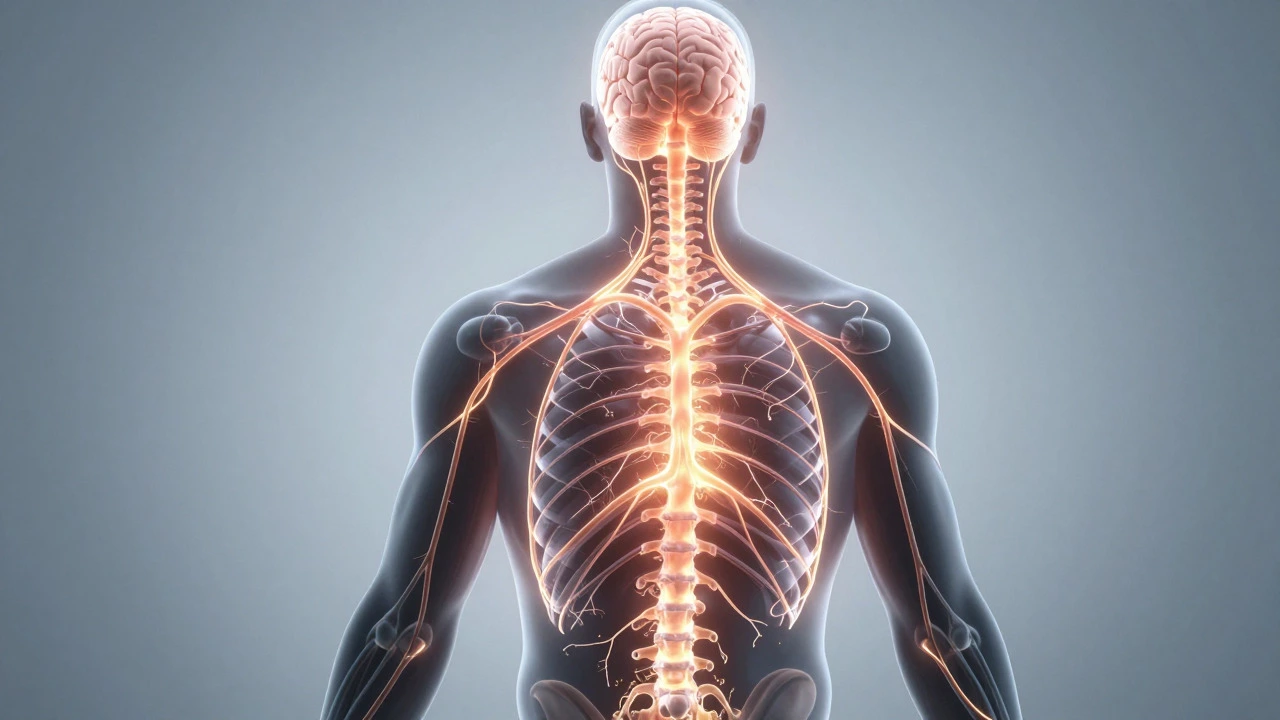
When pain becomes chronic, the nervous system changes. It gets stuck in "high alert" mode. This is called central sensitization. Your nerves become overly sensitive, firing pain signals even when there is no new damage happening. Trying to manage this by only looking for physical damage in your back or knee is like trying to fix a computer virus by polishing the monitor. You’re looking in the wrong place.
Management doesn’t mean zero pain every second of every day. It means reducing the intensity, frequency, and impact of pain on your life. It means being able to go to work, play with your kids, or sleep through the night without the pain dictating your choices. That is a realistic, achievable goal.
Understanding the Biopsychosocial Model
To manage chronic pain effectively, you have to treat the whole person, not just the symptom. This is known as the biopsychosocial model is a framework that considers biological, psychological, and social factors in health and illness. Most traditional treatments focus only on the biological side-medication or surgery. While these help, they rarely solve the problem alone because they ignore the other two huge pieces of the puzzle.
- Biological: The physical state of your body, including inflammation, nerve damage, and genetics.
- Psychological: Your thoughts, emotions, and stress levels. Anxiety and depression can amplify pain signals.
- Social: Your environment, support system, work situation, and financial stress.
For example, if you are stressed about money (social) and worried that moving will hurt you forever (psychological), your muscles will tense up (biological), which causes more pain. Breaking this cycle requires addressing all three areas simultaneously.
Multidisciplinary Care: The Gold Standard
The most effective approach to chronic pain is multidisciplinary pain management is a team-based approach involving various healthcare professionals working together. Instead of seeing one doctor who prescribes pills, you work with a team. This might include:
- Pain Specialists: Doctors who specialize in interventional procedures and medication management.
- Physiotherapists: Experts who help you move safely and rebuild strength without fear.
- Psychologists: Therapists who use techniques like Cognitive Behavioral Therapy (CBT) to change how you react to pain.
- Dietitians: Professionals who help reduce inflammation through nutrition.
This team approach ensures that no stone is left unturned. A physio might help you walk again, while a psychologist helps you deal with the frustration of slow progress. Together, they create a comprehensive plan tailored to your specific needs.

Non-Drug Strategies That Work
Medication has its place, but relying solely on drugs often leads to diminishing returns and side effects. Non-pharmacological strategies are often more sustainable in the long run.
Movement and Exercise
It sounds counterintuitive, but movement is medicine. When you stop moving due to pain, your muscles weaken and stiffen, which causes *more* pain. This is the "fear-avoidance" cycle. Gradual, guided exercise-like swimming, walking, or yoga-helps desensitize the nervous system. It teaches your brain that movement is safe.
Mindfulness and Meditation
Practices like mindfulness don’t make the pain disappear, but they change your relationship with it. By focusing on the present moment without judgment, you reduce the emotional suffering associated with pain. Studies show that regular meditation can actually shrink the parts of the brain responsible for processing pain signals.
Sleep Hygiene
Pain disrupts sleep, and poor sleep lowers your pain threshold. It’s a vicious cycle. Prioritizing good sleep habits-consistent bedtime, dark room, limited screen time before bed-can significantly improve your ability to cope with pain during the day.
The Role of Medication and Procedures
While lifestyle changes are crucial, medical interventions still play a vital role. The key is using them wisely as part of a broader strategy.
| Intervention Type | Purpose | Considerations |
|---|---|---|
| NSAIDs (e.g., Ibuprofen) | Reduce inflammation and mild pain | Long-term use can affect stomach and kidneys |
| Opioids | Manage severe breakthrough pain | High risk of dependency; usually short-term use |
| Nerve Blocks | Interrupt pain signals from specific nerves | Temporary relief; helps identify pain source |
| Antidepressants/Anticonvulsants | Calm overactive nerves | Effective for neuropathic pain; not for mood alone |
Always discuss the risks and benefits of any medication with your doctor. The goal is to find the lowest effective dose that allows you to participate in other therapies, like physical therapy.

Building Your Personal Pain Management Plan
Managing chronic pain is not a one-size-fits-all process. What works for one person might not work for another. Here is how to build a plan that works for you:
- Set Realistic Goals: Instead of "no pain," aim for "walk for 10 minutes" or "sleep for 6 hours uninterrupted." Small wins build confidence.
- Track Your Triggers: Keep a pain diary. Note what makes your pain better or worse. Is it stress? Certain foods? Lack of sleep?
- Find Your Team: Don’t try to do it alone. Seek out specialists who believe in a holistic approach.
- Be Patient: Healing takes time. There will be good days and bad days. Progress is not linear.
Frequently Asked Questions
Can chronic pain ever go away completely?
In some cases, yes, especially if the underlying cause is identified and treated successfully. However, for many people, chronic pain is a long-term condition. The goal shifts from "cure" to "management," where pain levels are reduced enough to allow a fulfilling life.
Is chronic pain all in my head?
No, chronic pain is very real. However, the brain plays a significant role in how pain is processed. Stress, anxiety, and past trauma can amplify pain signals. This doesn’t mean the pain is imaginary; it means the nervous system is hypersensitive. Treating the mind helps calm the body’s pain response.
What is the best treatment for chronic back pain?
There is no single "best" treatment. A combination of physical therapy, gentle exercise, and cognitive behavioral therapy is often most effective. Surgery is usually reserved for specific structural issues and is not the first line of defense for most chronic back pain cases.
How does diet affect chronic pain?
Diet can influence inflammation levels in the body. Foods high in sugar, processed meats, and refined carbs can increase inflammation, potentially worsening pain. An anti-inflammatory diet rich in fruits, vegetables, omega-3 fatty acids, and whole grains may help reduce pain sensitivity.
When should I see a pain specialist?
If your pain lasts longer than three months, interferes with daily activities, or hasn’t improved with standard treatments from your primary care doctor, it’s time to see a specialist. They can offer advanced diagnostics and a broader range of treatment options.